There is a kind of peace that cannot be found in noise.
Not because the world is evil or broken beyond repair, but because the soul was not made to be endlessly scattered. There is something within us—deep and old and holy—that longs to return to stillness. To step out of the current. To sit, to breathe, and to listen.
In Celtic lands, the saints knew this well. They sought not fame, nor comfort, but solitude. Not as an escape from life, but as a way of deepening into it. Saint Cuthbert withdrew to the Farne Islands, content with wind and birds for company. Saint Kevin made his home in a narrow cave beside a lake. Even Brigid, who carried the fire of community in her heart, would retreat to silence for renewal. These were not acts of avoidance. They were expressions of love.

To love solitude is not to hate the world. It is to trust that God waits in the quiet.
We are surrounded today by voices. Notifications. Headlines. Performances. Expectations. It is easier than ever to fill every moment with noise, and harder than ever to hear our own hearts. That is why we must make space. Solitude is not a luxury for the few. It is a necessity for the soul.
There is a room within each of us—a sacred inner chamber—where the noise of the world cannot reach. But we must choose to enter it. We must, as the Psalm says, commune with our own heart and be still. This is not a call to isolation. It is a call to intimacy. To come apart with God. To dwell in the company of the Holy One.
In silence, we see our distractions for what they are. In silence, the soul sheds its masks. In silence, the deep questions begin to rise. In silence, God speaks—not in thunder, but in stillness.
And what is revealed is not always comfortable. Silence can show us our pride, our compulsions, our fear of being unimportant. But if we stay, if we wait, if we listen, we begin to hear another voice—not of shame, but of love. The voice that calls us by name.
The saints often warned of “idle goings about” and “trifling conversations.” Not because conversation is bad—but because words carry weight. The more we speak without reflection, the more our hearts grow dull. It is easier, as they said, to remain silent than to speak wisely. Easier to stay home than to guard your soul in the crowd.

The practice of solitude is not withdrawal in the negative sense—not a retreat from responsibility or love. Rather, it is withdrawal in order to return differently. To come back not with more to say, but with more to give.
We fast from noise so we can be more present. We unplug so we can reconnect. We hide, not to disappear, but to become more fully ourselves. This is the paradox of sacred withdrawal: that in stepping back, we return closer to the heart of things.
There is a sweetness to the quiet heart. But it does not come quickly. We must stay with the silence long enough to be shaped by it.
Holy compunction—that tender sorrow that opens the heart—comes not in the rush, but in the stillness. Tears rise not in performance, but in presence. And from those tears flows healing. Reconnection. Grace.
This is not self-pity, nor guilt. It is a return to softness. To the knowledge that we need God, and that God delights in meeting us in our need. Those who practice this often find the Scriptures come alive again. That prayer becomes less a task and more a breath. That peace returns. Not because the world has changed. But because they have.
We are all tempted by novelty. Drawn toward entertainment, toward gossip, toward “just one more thing.” But how often do we return from such wanderings weary? How often do we pay for distraction with a restless heart?
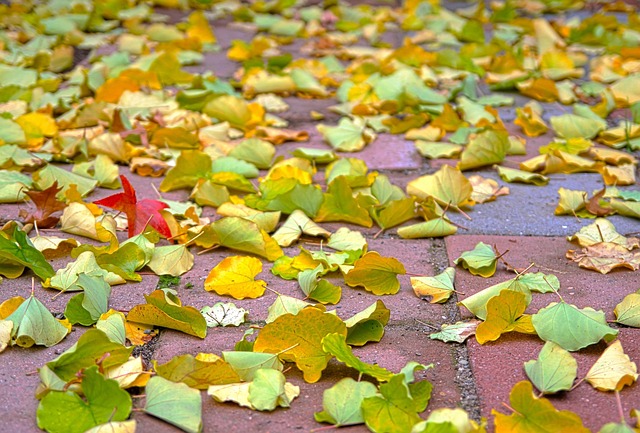
We seek amusement, but come home empty. We seek connection, but end up more scattered.
Solitude teaches us to hunger for what truly satisfies. It reminds us that we don’t need to see or know everything. That the heavens and the earth—the grasses, the trees, the stones—are already enough to evoke awe.
What can we see abroad that we cannot see in the quiet gaze of God?
Let this be the gentle call: not to flee life, but to embrace it more deeply. Not to fear the world, but to no longer be owned by it.
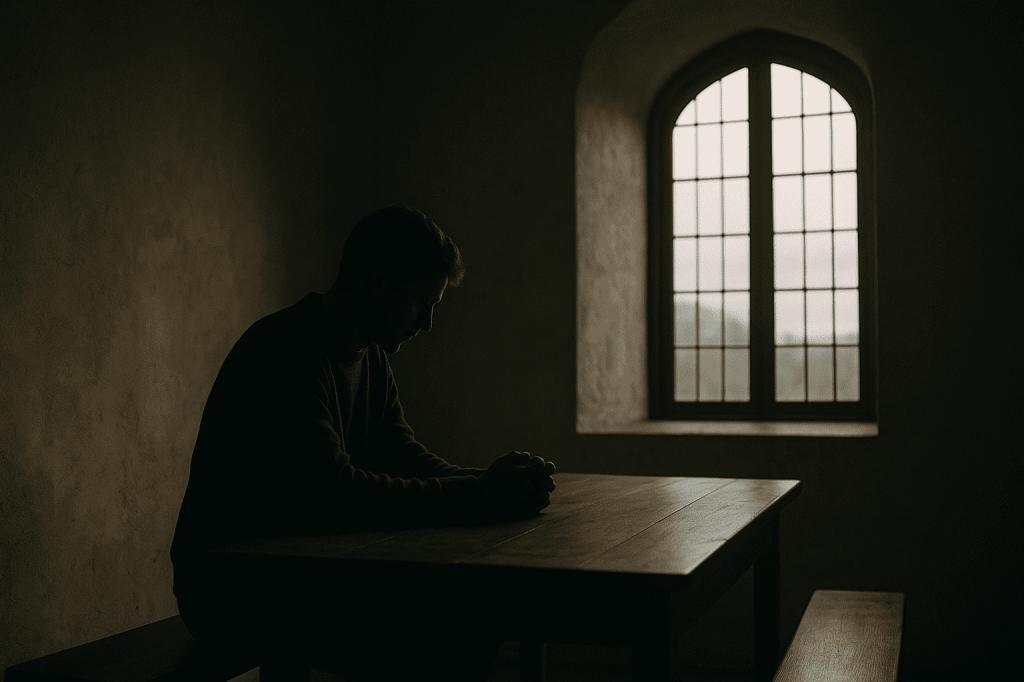
Close the door. Still the noise. Sit down.
Let Jesus find you there.
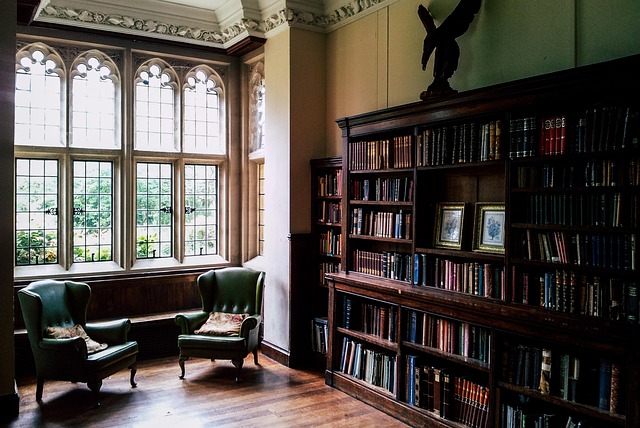
Let your solitude become sanctuary. Let your silence become song. Let your chamber become the thin place where heaven brushes earth.
And when you go out again, you will carry the quiet with you. Not as escape. But as light.


Leave a Reply