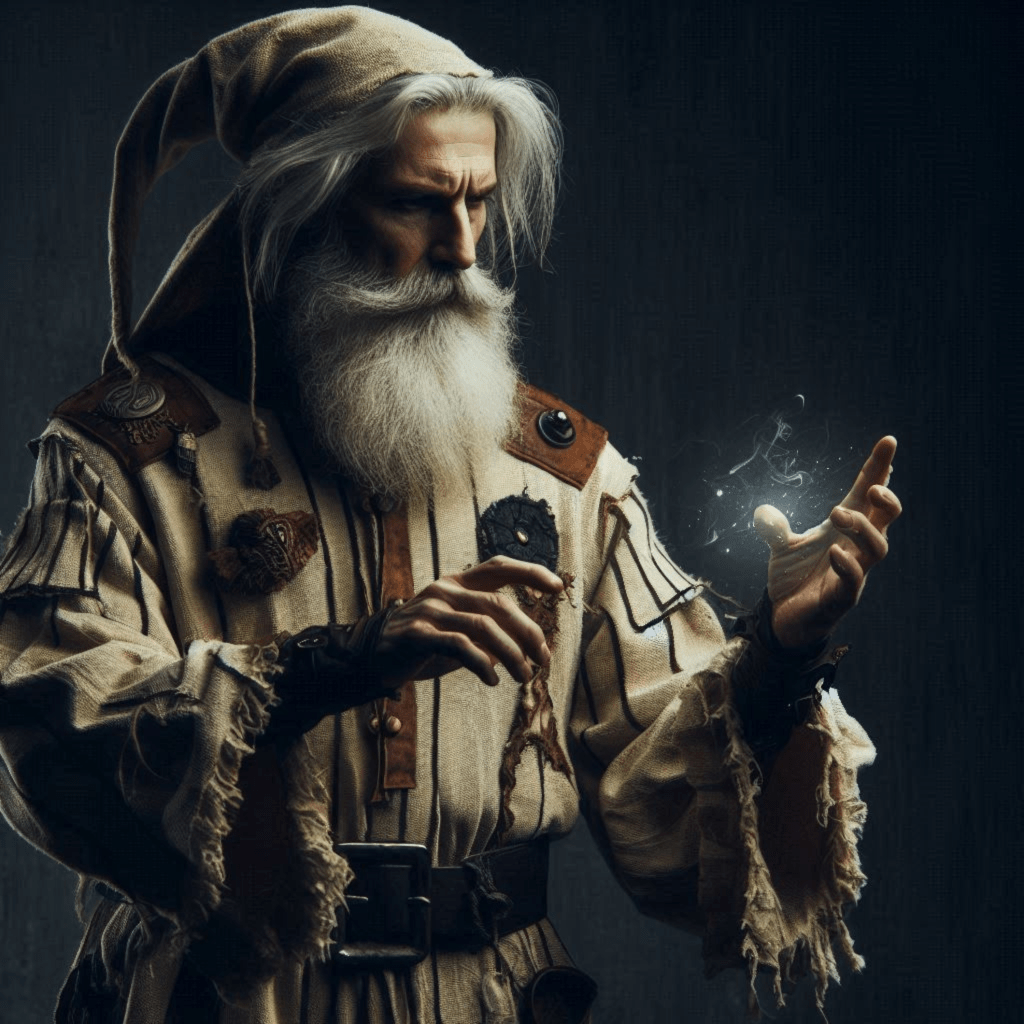
When most people think about magic, they imagine robes, candles, sigils, stone circles, strange symbols drawn under moonlight, or mysterious figures whispering words in forgotten languages.
But the most powerful spells in the modern world rarely look like magic at all.
They arrive through repetition.
Through slogans.
Through fear.
Through identity.
Through symbols repeated so often that eventually we stop questioning them.
That is where modern enchantment truly lives.
Not hidden away in old grimoires, but woven through screens, headlines, branding, algorithms, outrage, and the endless stream of stories we absorb every single day.
At its heart, magic has always been about perception. Real magic changes the way we experience reality. When perception shifts, behaviour shifts. When behaviour shifts, our experience of life changes alongside it. The outer world may remain exactly the same, yet the way we move through it becomes entirely different.
You can see this in the smallest examples.
I teach children to play in bands, and one of the biggest challenges they face is the idea of performing in front of people. The moment they hear the word “concert,” many of them immediately tense up. Their minds define the experience as frightening. They imagine judgement, mistakes, embarrassment. The body responds accordingly.
But if you change the definition, everything changes with it.
Instead of “performing,” I ask them to think of it as sharing something they’ve enjoyed learning together. The moment that shift happens, shoulders drop. Faces soften. Excitement appears where fear had been sitting moments before.
Nothing external changed.
Only perception.
That is magic in its rawest and most practical form.
The danger comes when we allow other people to define reality for us without questioning it. The moment that happens, we stop living from our own experience and begin living inside someone else’s spell.
And spells become powerful through repetition.
Say something enough times and eventually it begins to feel true, regardless of whether it is or not. Repeat an idea often enough, especially with emotion attached to it, and the mind starts normalising it. Once something feels normal, it becomes easier to accept. Add fear into the equation, and the spell sinks even deeper.
This is not mystical fantasy. It is psychology. It is hypnosis. It is propaganda. It is advertising. It is social conditioning. The mechanisms are ancient, even if the tools are modern.
A stage hypnotist understands this perfectly. They repeat suggestions over and over again until the mind stops resisting them. Advertising works the same way. So does political messaging. So does social media outrage. Repetition creates familiarity, familiarity lowers resistance, and emotion drives the idea deeper.
Eventually, the thought no longer feels external.
It feels like your thought.
That is where glamour becomes dangerous.
Originally, glamour referred to enchantment or illusion — the making of something appear other than it truly is. In the modern world, glamour is no longer confined to fairy tales and folklore. It lives in branding, in identity politics, in tribal thinking, in media narratives, and in algorithms designed to keep us emotionally engaged.
The more emotionally charged the message becomes, the more powerful the spell grows. Fear especially has an extraordinary effect on the human mind. A frightened mind seeks certainty. It wants quick answers, strong leaders, simple explanations, and tribes that promise safety.
That is how people become programmable.
Not because they are stupid, but because fear narrows awareness.
And once identity fuses with the story, questioning the story begins to feel like a personal attack. At that point, people are no longer defending an idea. They are defending who they believe themselves to be.
This happens everywhere now.
Political identity. Social identity. Online identity. Spiritual identity. Entire groups of people defining themselves through narratives they did not consciously create, endlessly reinforced through repetition and emotional intensity.
The frightening part is that most people never notice the spell being cast.
They simply call it reality.
But awareness breaks enchantment.
The moment you begin to observe the mechanism rather than unconsciously react to it, the spell weakens. The moment you stop and ask, “Is this actually my experience, or have I inherited this belief through repetition?” something shifts. You step outside the trance.
That is why awareness matters so deeply on any spiritual or magical path. Real magic is not escapism. It is not about hiding from reality or constructing elaborate fantasies. It is about learning to see clearly. To observe rather than merely react. To reclaim authority over the stories shaping your inner world.
Because the strongest spell in most people’s lives is often not cast by a magician in robes.
It is the sentence they repeat internally every single day.
The story that says they are unlucky. Broken. Powerless. Unworthy. Trapped. Doomed to fail. Destined to struggle.
Repeat any story long enough and the mind begins organising reality around it.
But the opposite is also true.
Change the story, and perception changes. Change perception, and behaviour changes. Change behaviour, and your experience of reality begins to transform alongside it.
This is why genuine magical work has always begun with consciousness. With observation. With the willingness to question appearances and look beneath them. The real work is not about controlling the world around you. It is about becoming aware of the forces already shaping you from within.
And once you can see the spell…
you no longer have to remain under it.
That is where freedom begins.
Not in blind rebellion. Not in cynicism. Not in fear.
But in awareness.
The kind of awareness that allows you to step back from the noise, question what you are being fed, and consciously choose which stories deserve your energy.
Because some spells divide.
Some diminish.
Some keep people frightened, reactive, and disconnected from themselves and each other.
But there are other spells too.
Spells of kindness.
Of courage.
Of unity.
Of beauty.
Of love.
And perhaps the greatest act of magic left to us in the modern world is choosing, consciously, which ones we allow to shape the reality we live within.
Watch Rob talk more about this:


Leave a Reply