There are figures in history who transcend the boundaries of time and tradition, leaving an imprint that is both deeply mystical and profoundly human. Saint Brigid of Kildare is one such figure—a woman of fire, wisdom, and healing, whose legacy continues to inspire seekers across spiritual traditions. More than a saint, Brigid embodies the essence of Celtic Christian Mysticism, where the sacred is woven into the fabric of daily life, and transformation is not just an idea, but a lived reality.
Brigid as Firekeeper: A Living Symbol of Sacred Flame
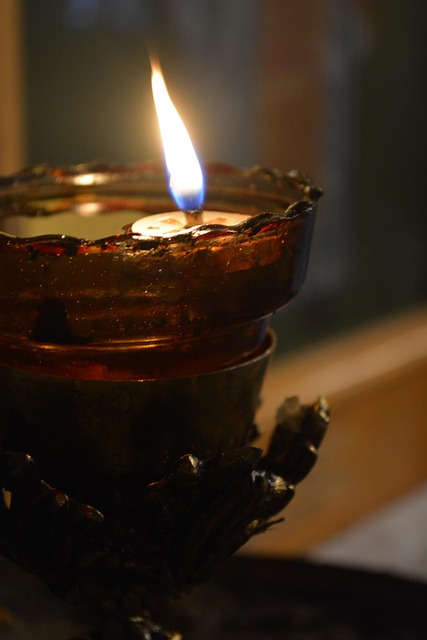
At the heart of Brigid’s story is fire—both literal and spiritual. The eternal flame kept burning at her monastery in Kildare was a direct continuation of the pre-Christian traditions that honored Brigid as a goddess of poetry, healing, and fertility. This fire was not merely symbolic; it was a living representation of divine presence and continual renewal.
In Celtic Christian thought, fire was not just an element—it was a force of transformation and illumination. To tend a sacred flame was to tend the inner fire of wisdom, faith, and inspiration. The fire of Kildare burned in honor of both Christ and Brigid, blending traditions into a spirituality that saw no division between earthly and divine, past and present.
The Miracles of Brigid: Expressions of a Mystical Reality
The stories of Brigid’s miracles are often retold as legends, but beneath them lies something deeper—an expression of a mystical reality where divine grace meets everyday life.
One such miracle tells of Brigid’s cloak expanding to cover the land upon which she wished to build her monastery. This story is often read as legend, yet in the language of mysticism, it speaks to expansion, abundance, and divine provision. Brigid did not just build a monastery; she created space for wisdom and healing to flourish.

Another lesser-known miracle describes Brigid healing two mute girls after her own blood was accidentally spilled in a fall. The symbolism here is striking: Brigid’s very essence—her life’s energy—brought healing. In changework and spirituality, we often speak of offering ourselves as a source of transformation for others. Brigid lived this reality fully.
Kildare: A Monastery of Wisdom and Feminine Power
Brigid’s monastery at Kildare was not just a religious site; it was a center of learning, healing, and spiritual power. Unlike many monastic communities that were strictly male-dominated, Kildare was unique—a double monastery, home to both men and women, with Brigid as its abbess.
In the Celtic Christian world, the divine was often understood through the balance of opposites—light and dark, masculine and feminine, earth and sky. Kildare embodied this balance, where men and women worked side by side in sacred service, their wisdom recognized as equal.
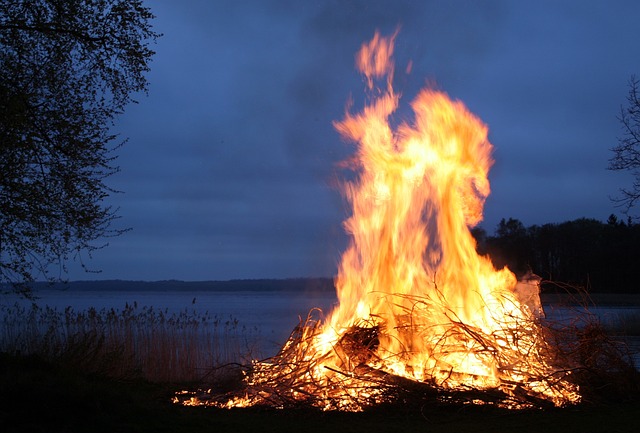
It is said that Brigid’s flame burned within this monastery, tended by nineteen nuns in a sacred cycle. Each nun took responsibility for the fire on her assigned day, and on the twentieth day, the flame was left to Brigid herself. This was not just ritual—it was a reflection of a deeper spiritual rhythm, a recognition that divine presence is always present, always tending the flames of our souls.
Brigid as a Changeworker: Restoring, Renewing, Transforming
Brigid’s life, miracles, and monastery all point to a single, unifying theme: transformation. She was not just a healer; she was a restorer of wholeness. Whether through physical miracles, acts of generosity, or the creation of spiritual sanctuaries, she was constantly bringing people back to themselves, to the divine, and to the life they were meant to live.

Changework is, at its core, the art of renewal—helping others release what no longer serves them and step into the fullness of their being. Brigid did this in a profoundly mystical way, not through force, but through gentle, unwavering presence.
We can see this in the many stories of her providing food, healing the sick, and guiding those who sought wisdom. She did not impose transformation upon others—she simply made space for it to unfold.
Keeping the Fire Burning: Brigid’s Message for Today
Brigid’s story is not just a historical tale—it is an invitation. What does it mean to tend the sacred fire in our own lives?
- Tending the fire of wisdom – How do we keep learning, seeking, and deepening our understanding of the sacred?
- Tending the fire of healing – Where in our lives (and in the lives of others) can we bring restoration and renewal?
- Tending the fire of service – How do we give of ourselves, not in exhaustion, but in a way that lights up the world around us?
Like Brigid’s nuns tending the eternal flame, we are each called to keep the fire burning, not just for ourselves, but for our communities. In times of uncertainty, in moments of darkness, our task is not to extinguish the flame but to protect and nurture it.
Final Reflection: Living a Mystical Life
Brigid’s life is a living tapestry of mysticism, changework, and divine presence. She calls us not just to admire her, but to embody the same transformative energy in our own lives.
In the end, Brigid reminds us of a simple, yet profound truth:

The fire does not burn out. The light is never lost. And transformation is always possible.

 Ancient Whispers
Leave a comment