When the Soul Is Tired: How the Celtic Saints Prayed Through Weariness
There comes a time on every pilgrim’s path when the flame grows dim. When even prayer feels like labour, when the music that once lifted you now sounds hollow, when the thought of another step — physical or spiritual — feels heavy.
If you’ve found yourself there, you’re not failing at faith. You’re simply standing in the ancient place that every saint, mystic, and wanderer has known — the landscape of weariness.
The Celtic saints didn’t escape these seasons; they prayed through them. And perhaps their quiet, earthy ways of prayer still hold something to teach us today.
They went to the edges
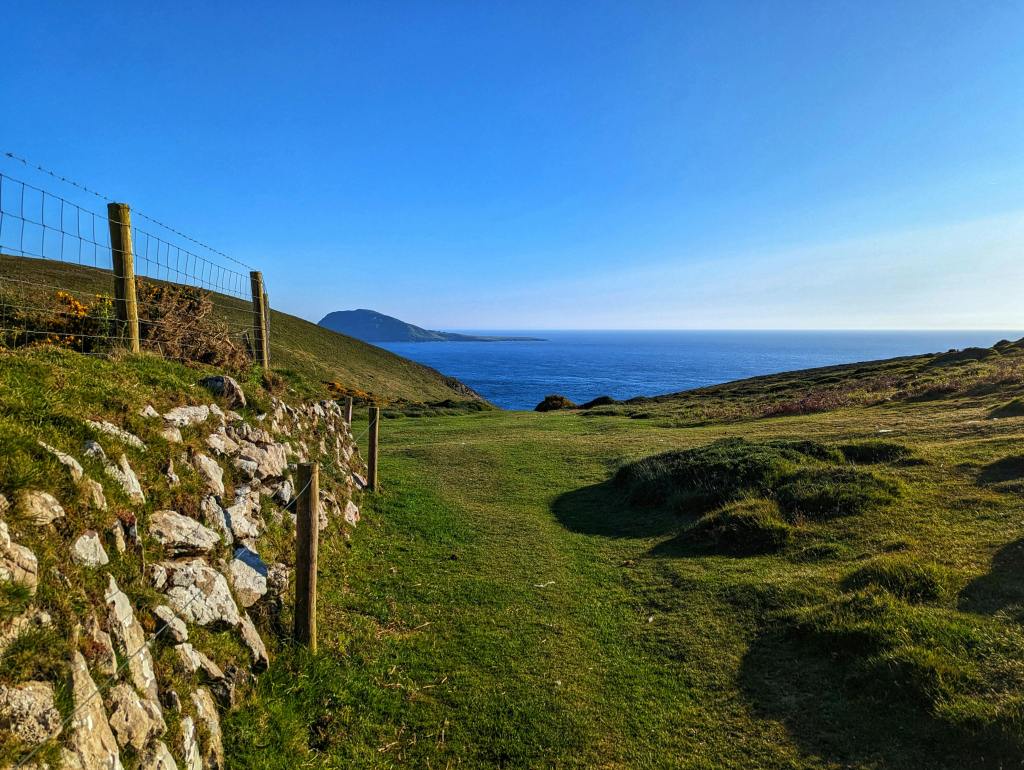
When the heart was burdened, the Celtic saints would often go to the edges of things — the shorelines, cliffs, islands, and forests. They sought the thin places, those thresholds where heaven and earth seem to touch.
Cuthbert walked barefoot into the North Sea at night to pray, the waves breaking around his knees. Others sought solitude on tiny islands or stood upon hilltops watching the changing light.
They believed that when words ran out, the wind could speak for them. That the waves themselves could become their psalms.
When your spirit feels too heavy for formal prayer, perhaps the holiest act is simply to step outside — to breathe, to listen, and to let creation carry your prayer into the silence.
“The winds are my psalms, the sea my hymnbook.” — Traditional Celtic saying
They waited in the silence
In our culture, we are taught to fill the quiet, to fix what feels empty. But the Celtic way of prayer was slower, more trusting. They called it watching — the practice of waiting like a tide turning, open but unhurried.
They didn’t force prayer to happen. They watched for it, like dawn after a long night.
When prayer feels impossible, let silence be your chapel. You don’t have to find the words. You only have to stay open to the One who already knows the prayer behind your sigh.
They encircled themselves with love
When fear or weariness pressed close, the Celts prayed the lorica — the breastplate of protection. They named the Presence around them, calling on Christ to be before and behind, above and below, within and without.
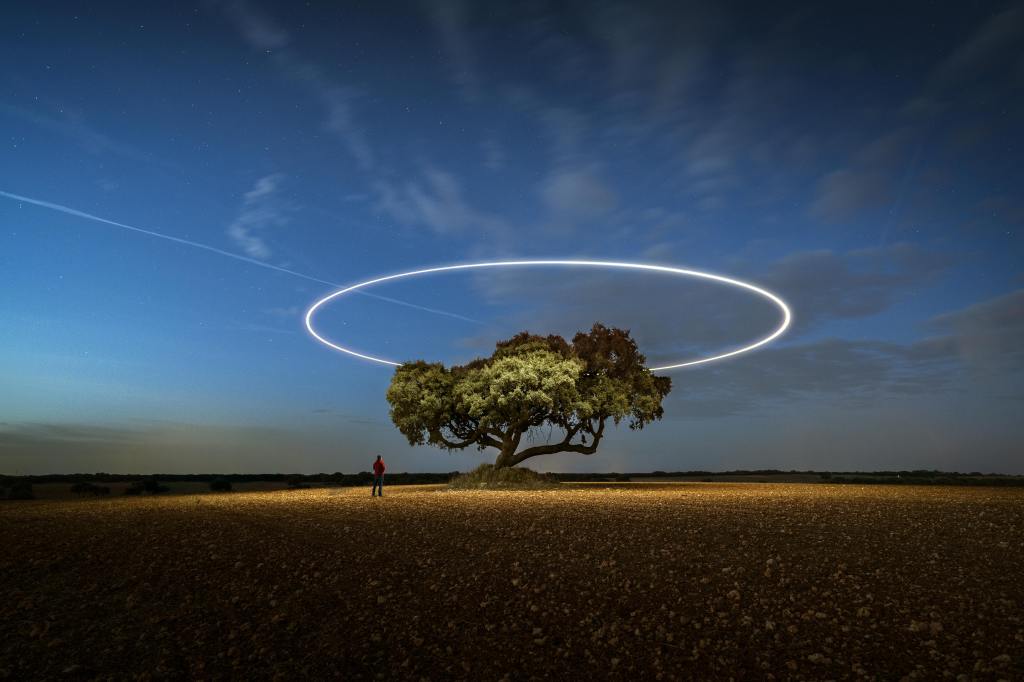
Sometimes they drew a caim, an invisible circle of belonging. Standing within it, they whispered,
“Circle me, O God. Keep peace within, keep fear without.”
It wasn’t a spell. It was a remembering — that they were surrounded by love, even in darkness.
You can draw your own caim, if only in your imagination. Stand in its stillness. Let the circle remind you that you are held — not by your effort, but by grace itself.
They blessed the ordinary
The Celts didn’t reserve blessing for church or altar. They blessed the bread oven, the hearth fire, the cows, the crops, the journey, the bed at night.
They understood that blessing was an act of awareness — a way of saying this too is holy.
So when your faith feels small, start there. Bless the cup of tea in your hands. Bless the room that shelters you. Bless the body that is tired but still breathing.
Each small blessing is a way of turning your face gently back toward the Light.
They let creation join the prayer
To the Celtic imagination, all creation was part of the liturgy. The saints didn’t pray apart from the world but with it. The river murmured the psalms, the trees clapped their hands, the animals joined the hymn of being.
When your own words have grown thin, let theirs suffice. The robin’s song at dawn, the sound of rain against glass, the slow rhythm of your own breath — each can become your prayer.
The world prays constantly; we only need to stop long enough to hear it.
6. They offered their weariness itself
Perhaps the most tender truth of Celtic spirituality is this: nothing was wasted. Even fatigue became offering. When strength failed, they would simply sit, whispering,
“O Lord, here is my tiredness. Here is my emptiness. Take it, and make of it what You will.”
They didn’t try to rise above their exhaustion; they sanctified it. They knew that God could be met even in the dim light, that love does not withdraw when the heart grows numb.
🌿 For the weary pilgrim
If you are walking through a hollow season — where faith feels faint and joy elusive — remember: you don’t have to be radiant to be faithful. You don’t have to climb a mountain to be seen.
Sometimes the truest prayer is simply the act of staying open, of lighting a small candle in the dark and whispering, “Still here.”
You can be a pilgrim without leaving your room. You can meet God in the stillness between one breath and the next. Because the Presence that once met the saints on sea-swept cliffs is the same Presence that meets you here, now — in your fatigue, in your longing, in your quiet hope that the light will return.
✨ A closing blessing
May the God of the gentle dawn watch over your resting. May the Christ of the quiet hills hold your weariness tenderly. May the Spirit who sings through wind and wave breathe peace into your soul.
And when strength returns, may you rise slowly, carrying the calm of this still moment into the next step of your journey.


 Ancient Whispers
Leave a comment