There are moments on the spiritual path when language fails us. We try to name what we’ve encountered—some flicker of clarity, some unexpected warmth, some peace that arrives without cause—and yet the moment resists definition. We are left only with a knowing that something holy has brushed against us. That we’ve been met by something more.
This is often how the Holy Spirit reveals itself. Not through spectacle or certainty, but through quiet presence. Not as a doctrine to believe in, but as a reality to be encountered. The Spirit comes—not once, long ago—but again and again. Always arriving. Always present.

We tend to think of the Spirit in terms of function: as guide, helper, comforter. And rightly so. These are not incorrect. But they only begin to scratch the surface. The Spirit is not simply the one who helps us along the way. The Spirit is the way. The breath of God not only moving through the world, but animating it from within. The whisper behind the whisper. The stillness that remains even when everything else falls away.
The paradox of the Spirit is that it is both deeply intimate and completely beyond us. It is closer than breath and yet cannot be touched. It meets us in our hunger and longing, and yet it is never something we can control or possess. The Spirit does not come on demand. It comes in response to openness.
There is something deeply humbling about this. It reminds us that we are not in charge of the spiritual life. We are participants, not managers. We are guests in a mystery we do not own.
And yet, for all this ungraspability, the Spirit is relentlessly personal. It comes not in abstraction, but in experience. It shows up in our weeping and waiting, in our clarity and our confusion. It meets us in our solitude, not to entertain us, but to remind us that we are never truly alone.
One of the most striking aspects of the Spirit is the way it continually renews and reshapes. It doesn’t simply comfort—it transforms. It doesn’t just soothe the edges of pain—it reorients the whole heart. Wherever the Spirit moves, something is made new. Old patterns loosen. New ways of seeing emerge. We are not just helped. We are re-formed.
This is not always dramatic. Often, it happens slowly, almost imperceptibly. We begin to speak with more compassion. We listen with more patience. We find ourselves less interested in proving, more willing to be present. The work of the Spirit is not flashy. It is faithful. It is deep. And it does not leave things as it found them.
To walk with the Spirit, then, is to surrender our need to figure everything out. It is to open ourselves to what cannot be planned or predicted. It is to trust that there is a wisdom deeper than our own that is already at work within us.
The Spirit does not need to be summoned. It is already here. What’s needed is not effort, but awareness. Not striving, but stillness. Not reaching, but receiving.
In many ways, the Spirit is the answer to our most hidden longing. The longing to be known, held, restored. The longing not just to be comforted, but to be transformed. To be made whole again.
A Simple Practice
At some point today, find a quiet space. Sit without agenda. Let your attention drop inward. Don’t try to pray. Don’t try to be spiritual. Just allow yourself to be.

With each breath, imagine that you are not alone. That every part of you—your thoughts, your emotions, your history—is already being held within a greater Presence.
You don’t need to chase the Spirit. You are already in its midst. Let it come, as it always does—gently, freely, fully.
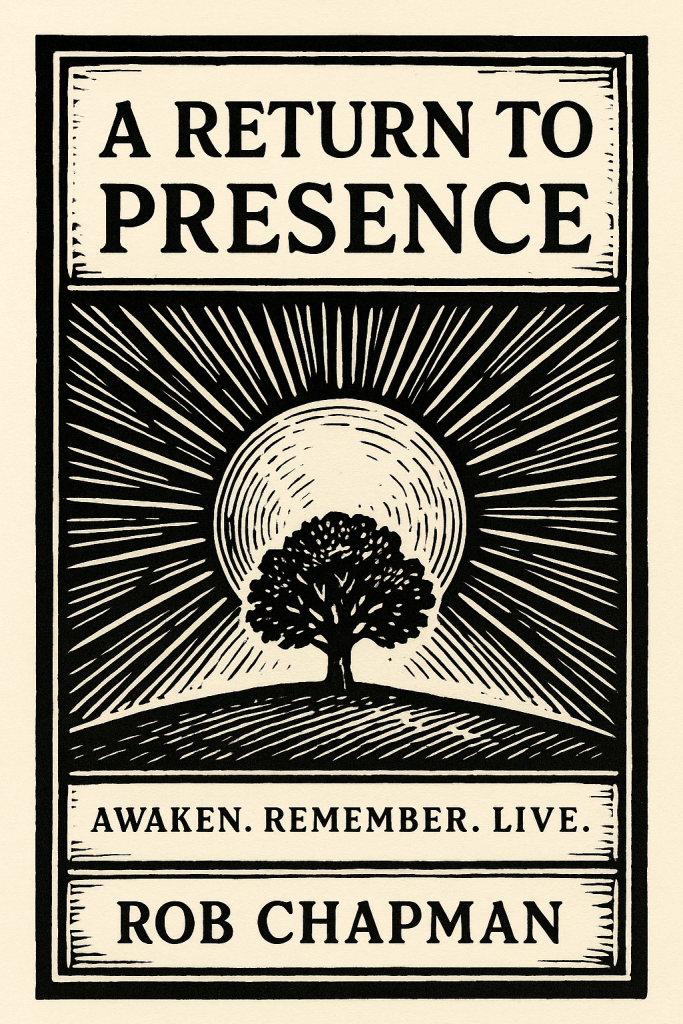
A poetic field guide to rediscovering identity and purpose through stillness, presence, and grace—rooted in Celtic wisdom, gentle spirituality, and the quiet truth that you were never lost.
 Ancient Whispers
Leave a comment