Long before the first cathedral rose from stone, before councils and creeds fixed the language of faith, before empire wrapped the cross in banners and law — there was simply The Way.
The earliest followers of Jesus didn’t call themselves Christians. They were those “of the Way” (Acts 9:2, 19:9, 24:14) — men and women who had seen or heard of the Carpenter from Nazareth, whose words caught the heart like wildfire, whose life drew them toward God with an urgency they could not ignore.
They gathered in homes and marketplaces, on hillsides and by the water’s edge. They broke bread. They prayed. They shared what they had. They lived in a rhythm of devotion, hospitality, and radical trust in God’s nearness. There were no robes, no cathedrals, no ecclesiastical courts — only the Spirit’s presence and the people’s obedience.
When Empire Came
In time, Rome got hold of it. The Way, so free and Spirit-led, was absorbed into the machinery of empire. Some things were safeguarded; others were bent to serve power. The gospel was still preached, but alongside it came law, hierarchy, and the subtle weaponising of faith to keep order.
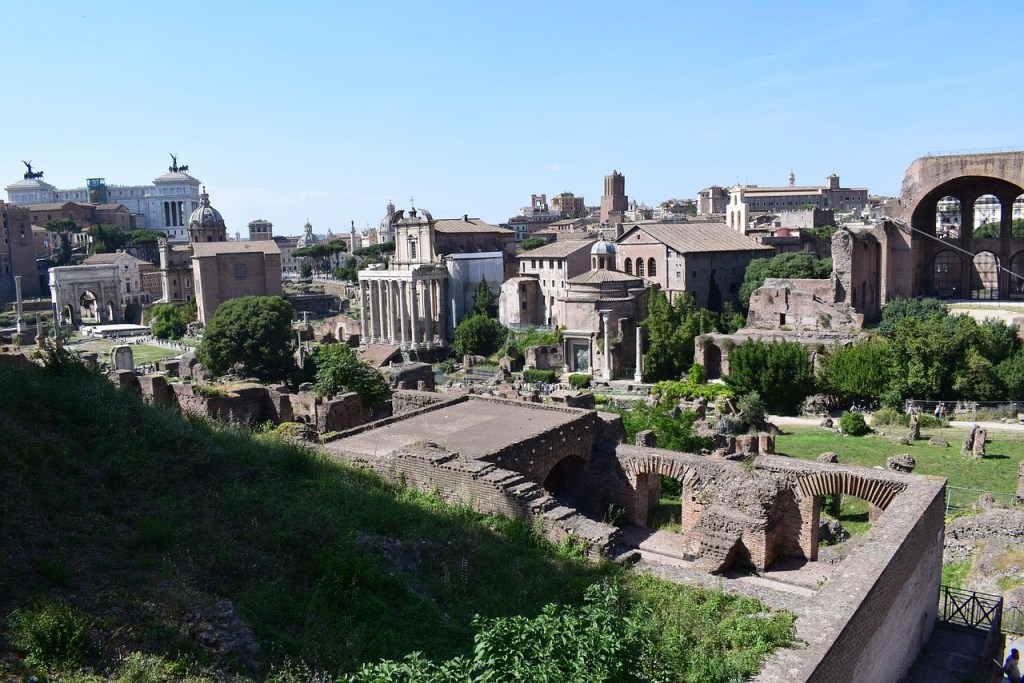
The altar and the throne became partners. Bishops learned to speak the language of emperors. Doctrine became as much about keeping peace with Caesar as about keeping faith with Christ. The Way was not destroyed, but it was clothed in garments not of its own choosing.

The Desert Flame
Not all followed the empire’s path. In Egypt, Syria, and beyond, men and women left the cities for the silence of the desert. The Desert Fathers and Mothers sought God in stillness and simplicity, beyond the reach of politics and court intrigue. They prayed the hours, worked with their hands, and let their lives become a living scripture.
Their wisdom spread like wind over sand, carrying seeds of a different way — a way that valued inner transformation over outward conformity, divine presence over worldly approval.
Across the Sea
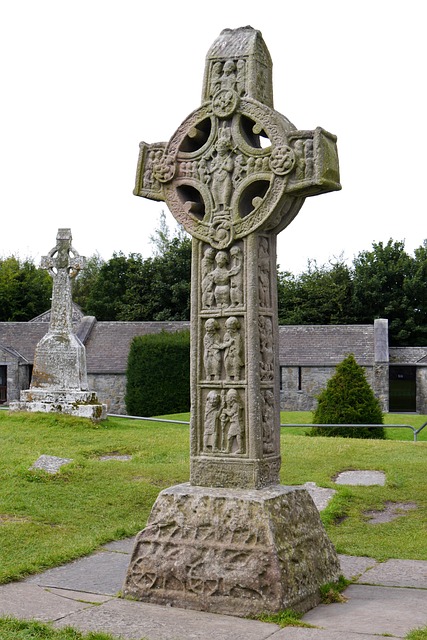
That same spirit travelled to the edges of the known world. On the Celtic shores, in windswept monastic cells and stone beehive huts, the faith took root in rhythms shaped by tide and season, light and darkness. The saints of these lands — Aidan, Hilda, Cuthbert, Brigid — wove together the fire of the desert with the heartbeat of the land.
Here, prayer was as natural as breathing. Hospitality was a holy duty. The line between sacred and ordinary was thin as mist over the morning hills. The church was not a place to go on Sunday; it was the life of the people, steeped in prayer from dawn to dusk.
The Long Shadow of Rome
Rome’s shadow did not vanish when its empire fell. It shifted shape, wrapped itself in new robes, spoke with new accents. The same imperial instinct to control the table, the pulpit, and the people found fresh expression in the churches that followed — including those that broke away and claimed reform.

The Church of England, born of politics as much as piety, inherited both treasures and toxins from its Roman parentage. It kept the liturgy, the sacraments, and the seasons — gifts that still breathe life when freed from control. But it also kept the hierarchy, the legalism, and the suspicion of any voice that will not sing on cue.
In its best moments, it has sheltered saints and served the poor. In its worst, it has confused loyalty to Christ with loyalty to the institution, and has placed its own preservation above the movement of the Spirit.
The Way Today
Yet The Way is not gone. It has never been gone. It flows quietly beneath the noise of the age, waiting for those who will walk it.
It is not bound to a building or a badge. It is bound to Christ alone.
It calls us to live simply, love deeply, welcome freely, pray unceasingly.
It is the path of those who choose presence over performance, transformation over transaction, God’s Kingdom over the kingdoms of this world.
And the truth is — The Way cannot be owned. Not by Rome. Not by Canterbury. Not by any council or committee.
Why The Way Matters Now
We live in an age where many have walked away from the Church, but not from God. Where the longing for the sacred still burns quietly in the soul, but the walls built by centuries of politics and power have dimmed the light for too many.
Recovering The Way is not about nostalgia. It is about remembering the heart of the Gospel before it was draped in the banners of empire. It is about walking again in simplicity and truth — with Christ at the centre, the Spirit at the lead, and the Father’s love as our shelter.
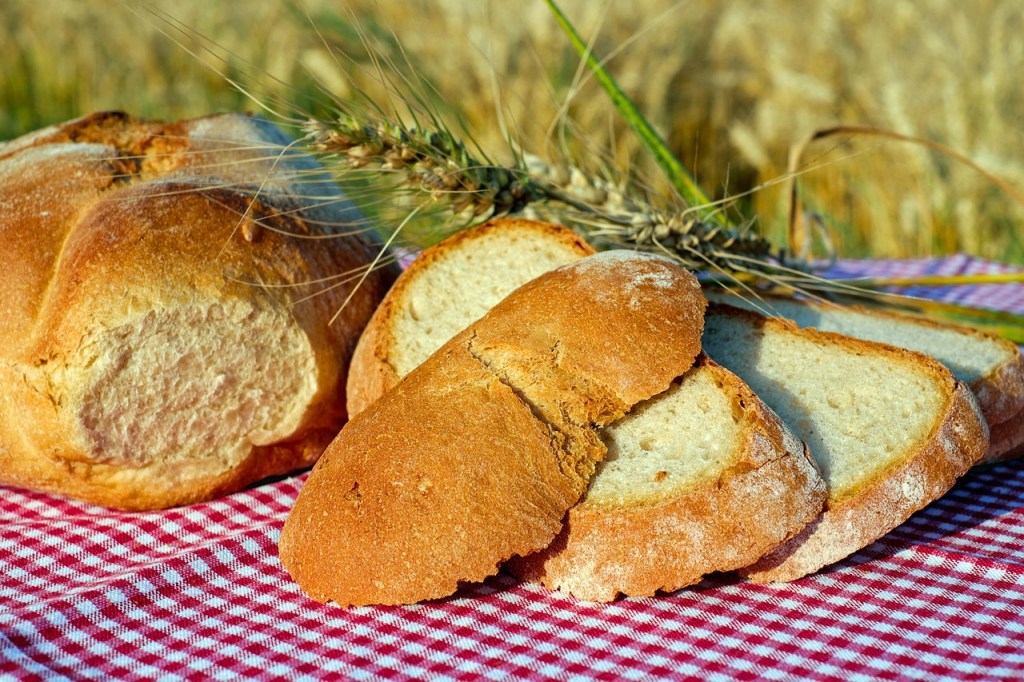
It means creating spaces where the presence of God is not managed or marketed, but simply received. It means a table where all are welcome, and no one asks for credentials before breaking bread. It means a faith that is lived in fields and kitchens, on city streets and windswept shores — anywhere people are hungry for the peace that only God can give.
The Way is not a brand, a denomination, or a programme. It is the living path of Christ. And it is open still, for any who hear the quiet voice saying, Follow Me.
If this vision of The Way stirs something in you, you’re welcome to join us in the Caim Prayer Circle — a space of stillness, prayer, and encounter, open to all.
Join the Circle
 Ancient Whispers
Leave a comment