There’s a phrase I once read in the Tao Te Ching that has stayed with me ever since:
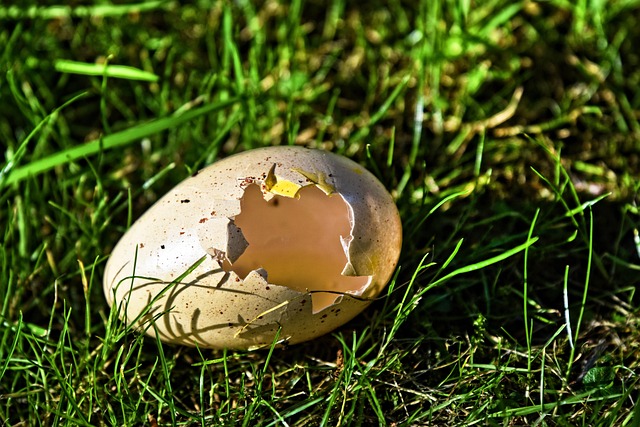
“Ritual is the husk of faith and loyalty.”
It struck me — partly because it felt so true, and partly because I recognised something of it in myself, and in the Church I love.
We Christians may not use the word Tao, but we know what it is to lose our way.
The Slow Drift from Fire to Form
There’s a pattern that plays out time and again in scripture and in life. A people walk closely with God. They live by grace, in trust, with open hands and open hearts. But slowly, subtly, the fire cools. Intimacy is replaced by obligation. The heart of worship is exchanged for the mechanics of worship. Prayer becomes performance. Church becomes theatre.
And yet the form remains — like a ritual echo of what once lived and breathed.
The prophet Isaiah cried out against this long ago:
“These people come near to me with their mouth and honour me with their lips,
but their hearts are far from me.
Their worship of me is based on merely human rules they have been taught.”
— Isaiah 29:13
Sound familiar?
When Ritual Becomes a Refuge from Relationship
Ritual isn’t the enemy. At its best, it’s a rhythm that shapes us, a vessel for grace. It reminds us who we are. The Eucharist, the Daily Office, even the lighting of a single candle — these are beautiful when rooted in love.
But when ritual becomes the thing — the goal, the badge, the boundary marker — then something sacred has been lost.
Jesus had strong words for those who clung to the shell but missed the Spirit:
“You clean the outside of the cup and dish, but inside they are full of greed and self-indulgence…
First clean the inside of the cup, and then the outside also will be clean.”
— Matthew 23:25–26
In other words: don’t mistake appearances for substance.
The Church as Husk?
There’s a danger here for the Church — and if we’re honest, many of us have felt it. The beautiful, ancient rituals of our tradition are sometimes used not to open people to God, but to protect an institution. To keep things predictable. To avoid the wildness of the Spirit.

It’s uncomfortable to say, but some of our Sunday services feel like husks — polished, practiced, but hollow.
And yet even a husk tells you something once lived here. That in this place, the grain once grew.
Which means it can grow again.
Return to the Heart
The Celtic Christians spoke often of the anam cara — the soul friend. And in their prayers and poems, we find a kind of living faith that feels raw and real and rooted in presence. They knew how to walk with God — not just talk about Him.
They built their lives around rhythms that kept the inner fire burning. Silence, Scripture, hospitality, song. Ritual, yes — but always soaked in the Spirit.
They remind us that ritual must be the servant of love, not its substitute.
A Quiet Reformation
Maybe what we need is not more structure, more noise, more liturgy. Maybe we need a quiet reformation of the soul — one where we let God rekindle what has gone cold.
Let the rituals remain, if they still carry life. But if they have become a distraction, a performance, a shield — let them go. Or let them be reawakened.
The husk can fall away.
The seed can grow.
Living the Teachings
- Ask yourself: is there any part of my spiritual practice that has become empty routine? How might I return to the heart of it?
- In times of silence, let God show you where fire has cooled. And don’t be afraid of what you see.
- Try this simple breath prayer as you pause:
Inhale — Return me to You.
Exhale — Let me walk the Way.
If reflections like this speak to you, you can support the unfolding work of Ancient Whispers and Caim through our Ko-fi page. Every act of support helps keep the light burning and the whispers flowing.
 Ancient Whispers
Leave a comment