“You are my strength, my fortress, my loving God — I watch for you.”
— Psalm 59:9 (NIV)
During a quiet moment, I opened the Bible not with a plan, but with a prayer — the kind of seeking that has no map. It fell open to Psalm 59, and my eyes landed on that line: “You are my strength, my fortress, my loving God — I watch for you.”
It lingered in me.
I let the verse soften and settle.
I “chunked it down,” as we might say in inner work. Boiled it down to the essence.
My loving God, I watch for you.
Such a simple line.
And yet the more I sat with it, the deeper it pulled me.
🌿 What Does It Mean to Watch for God?
This is not a passive watching.
It is not waiting as we wait for a bus or a message or a shift in the weather.
It is the watching of lovers who scan a crowd for a familiar face.
The watching of a mother listening for her child’s cry.
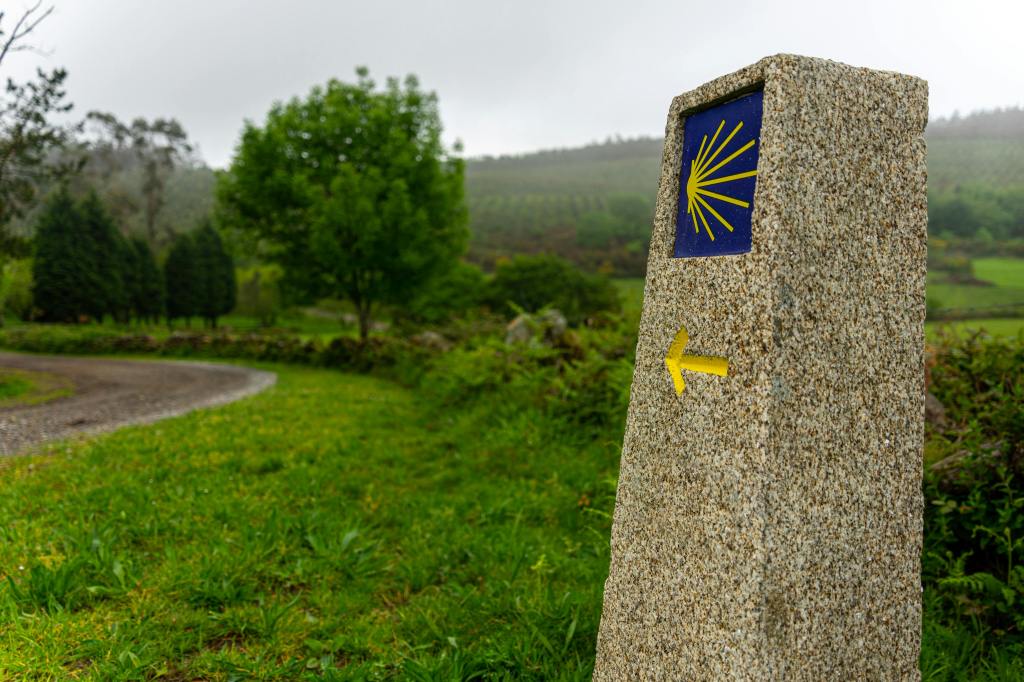
The watching of a pilgrim for the first glimpse of holy ground.
To watch for a loving God means we are watching for love itself —
for signs of it, movements of it, moments that shimmer with grace.
This is where the Celtic heart comes alive.
Not just in theology or text, but in the thin places of lived experience.
God is not confined to temple or sermon.
God is braided into the weave of our days.
✨ Where Do We See the Loving God?
In asking this question — how do I watch for a loving God? — my mind wandered, as minds do. But it wandered gently, like a deer through the early mist. And in that wandering, I was met with images:
A friend holding space for another’s grief.
A child cradling a wounded bird.
Hands planting seeds in tired soil.
A look between two strangers that says, I see you.
These were not visions. Just… moments. Memories.
But they carried something sacred.
In these moments, we see the loving God.
Not as an abstract idea. Not as a distant observer.
But as the very presence within the love exchanged.
The smile, the silence, the softness — these are not just reflections of God.
They are God made visible. God moving. God revealed.
🌾 The Celtic Eye
To the Celtic Christian, God is not high above but all around.
Not locked in heaven but humming through creation.
Every encounter, every act of kindness, every blooming flower, every gentle word — these are places to watch for God.
St. Patrick spoke of Christ in the eye of those who see us, in the ear of those who hear us, in the mouth of those who speak to us.

To watch for a loving God is to train the eye of the soul to see differently.
To recognise God not only in the sacred, but in the ordinary.
Especially in the ordinary.
🕯 Returning to the Watch
There is so much in the world today that numbs us —
the speed, the spectacle, the struggle to keep up.
But to watch for a loving God is to become deeply present.
To return to the still, sacred place within where love speaks.
And when we begin watching in this way, something shifts.
The world becomes illuminated from the inside.
What once seemed mundane begins to glow.
The Celtic mystics knew this.
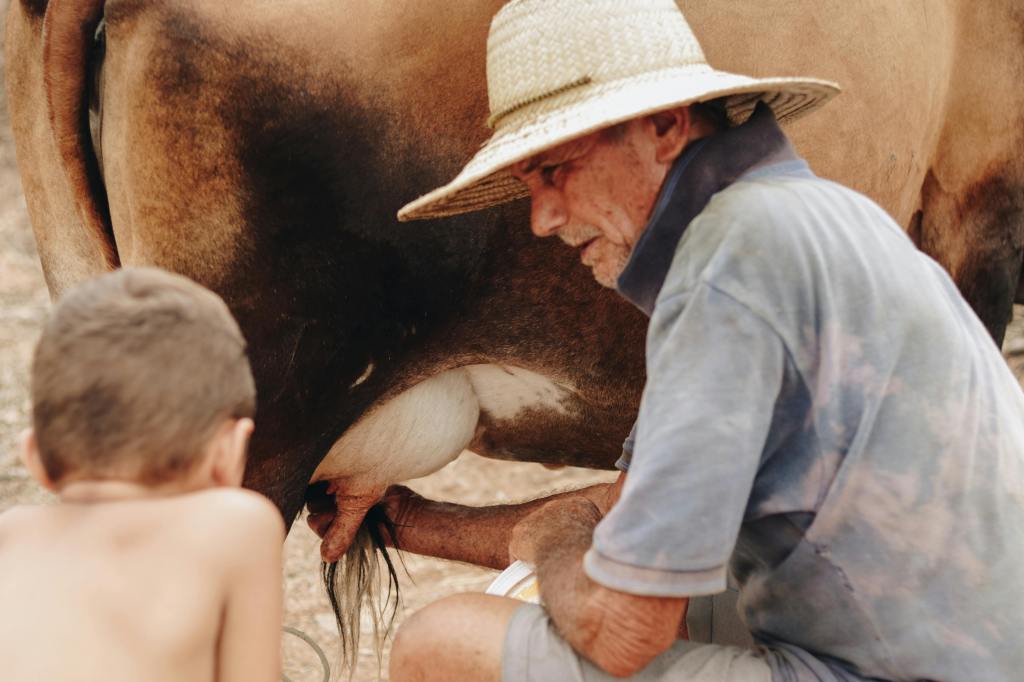
It’s why they prayed while milking cows and lighting fires.
Why they blessed the morning wind and the bread on the table.
They were watching. Always watching.
And God was always there.
🧭 A Practice for the Path
If this resonates with you, try this:
At the end of the day, ask:
Where did I see the loving God today?
Not in theory. In practice.
In touch, in tone, in texture.
In laughter, in tears, in earth and sky.
This is not imagination. This is awareness.
It is faith with open eyes.
🌬 Final Thought
To say “I watch for you” is to live with expectation.
It is to believe that God still moves, still loves, still appears.
And not only in stained glass and sanctuary —
but in street corners and kitchen sinks, in hands and hoofbeats,
in every act of kindness that says: Love is here. You are not alone.

So today, may we be watchers.
Not passive, but present.
Not waiting, but witnessing.
Because the loving God is not far.
Only waiting to be seen.

 Ancient Whispers
Leave a comment