“Come out of her, my people…”
— Revelation 18:4
There are passages in scripture that feel strangely present, as if they have been waiting for just the right moment to be heard again. Babylon is one of those.
In the Celtic Christian imagination, Babylon was never just an ancient city. It was understood as a spiritual force — a distortion of what is real and sacred. Rather than being located in a single place, Babylon represented the false centre of empire: the system that pulls the soul away from God and into a world of noise, domination, and disconnection. Where the Celtic way finds God in stillness, simplicity, and sacred presence, Babylon offers a different path — one built on performance, control, and spectacle.
Babylon is the anti-caím. Not the circle of God’s protection and belonging, but the net that entangles and seduces. Its influence is not just structural or external; it is psychological, cultural, and spiritual. It colonises the soul by convincing us that presence is not enough, that truth can be bought, and that power must be taken rather than received.
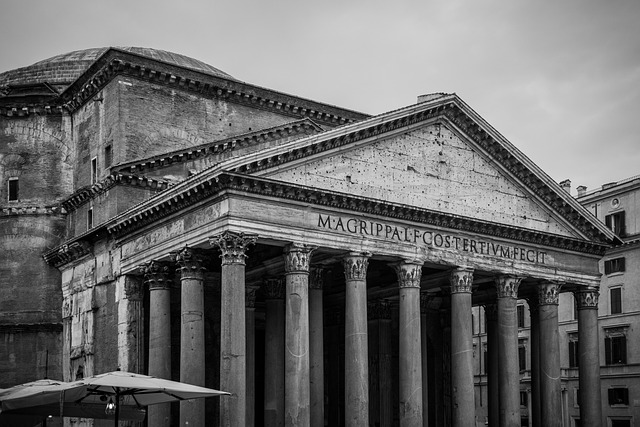
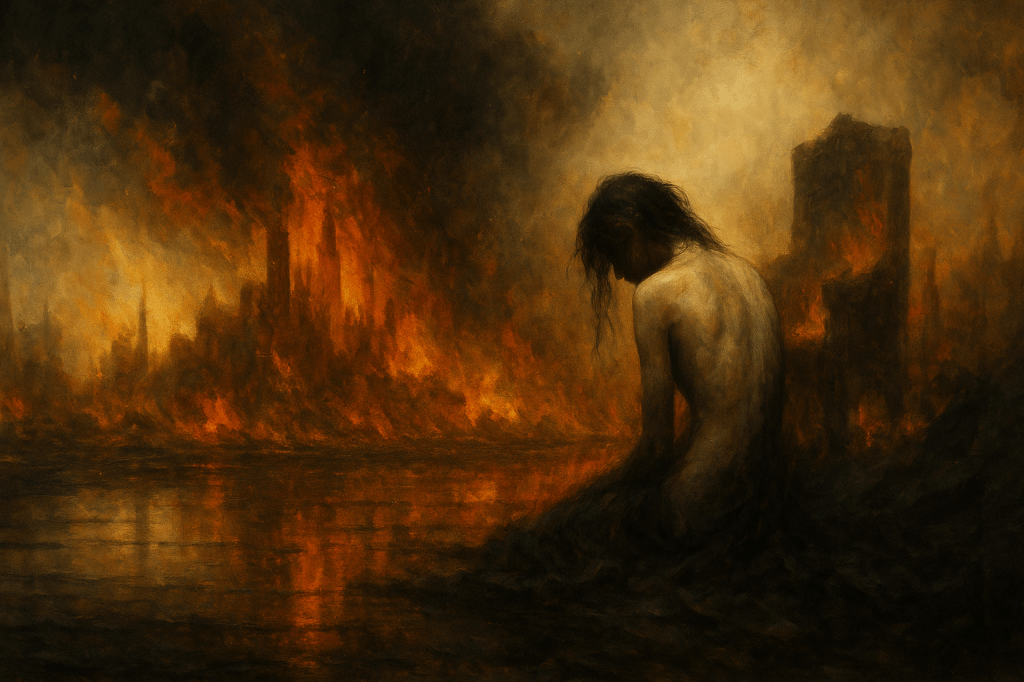
The Book of Revelation describes Babylon in vivid, unsettling terms: clothed in luxury, drunk on power, and allied with the beast. That imagery still speaks. Babylon today might not be a city of bricks, but it continues to thrive wherever manipulation is disguised as leadership, wherever spiritual truth is leveraged for political gain, and wherever greatness is defined by spectacle rather than substance. It wears many masks — sometimes a flag, sometimes a platform, sometimes a pulpit. It’s not confined to any one nation or ideology, but it is undeniably visible in some modern expressions of empire: systems that exalt domination, diminish truth, and devour the poor.
But the more dangerous manifestation of Babylon may be the one within.
In the realm of personal and spiritual transformation, Babylon appears as an internal empire — a trance we are trained into. It shows up in the belief that our worth is tied to what we produce, that love must be earned through performance, or that safety comes through control. These are deeply embedded stories that echo the values of empire rather than the Kingdom of God. They are the agreements we make with untruth: “I must succeed to be valued,” “I must keep others beneath me to be safe,” or “I must sell myself to be accepted.”

The woman riding the beast, that strange and unsettling image from Revelation, is not just a symbol of external corruption. She is also the part of each of us that has aligned — consciously or unconsciously — with what is not of God in order to survive. She represents the ways we betray our deepest selves to stay afloat in a world built on distortion. But even here, we are not abandoned.
The Lamb appears. Always. Slain, yet radiant. Gentle, yet unwavering.
He does not shout or seduce. He does not dominate or demand. He simply stands — bearing witness to another way. The way of truth. The way of love. The way of freedom that cannot be bought or performed, only lived.
In this light, Revelation 18:4 is not a command to fight harder. It is an invitation to return — to come out of the empire’s trance and remember who we are. It is a call to reclaim the rhythm of God rather than the rhythm of empire. To leave behind the noise, the addiction to attention, the endless performing — and to walk again in truth, tenderness, and trust.
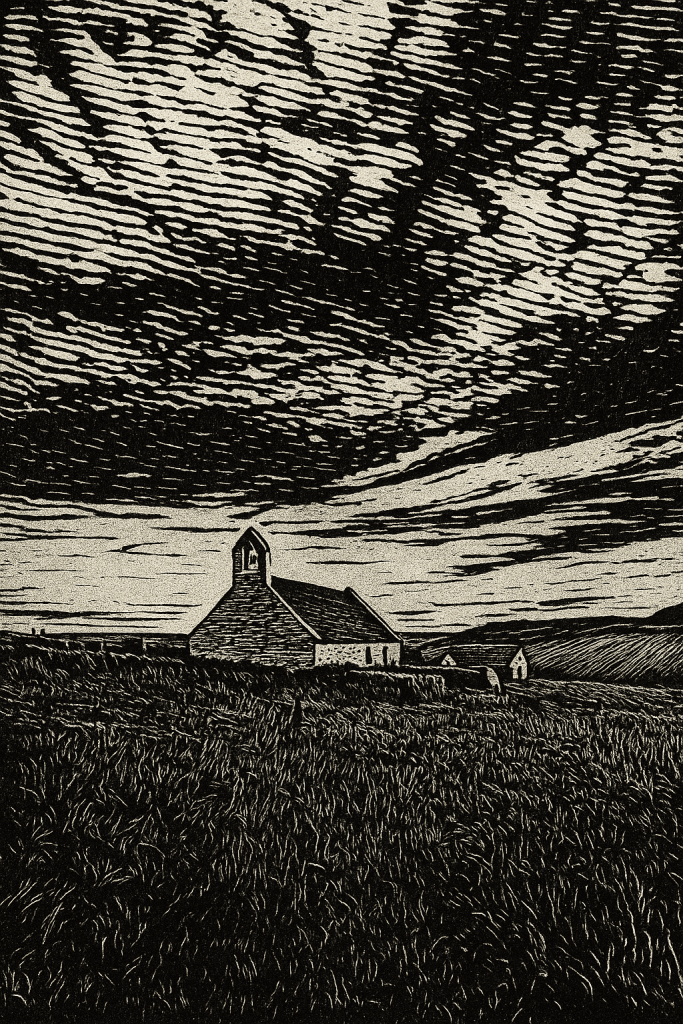
The Celtic saints knew something about this. They left behind the shadow of Roman power not just geographically, but spiritually. They chose wilderness over empire. Community over hierarchy. Presence over performance. They lived lives that witnessed to a Kingdom not of this world — a Kingdom woven through silence, service, and sacred simplicity.
To live that way now — quietly, courageously — is a form of holy resistance.

It is a refusal to be dazzled by false light. A refusal to feed the machine. A decision to remember that true transformation begins in the soul, not in the spotlight. And that the work of healing, justice, and love always starts with the simple act of returning to God.
So the invitation remains: Come out of her, my people. Not in rage, but in freedom. Not to escape, but to embody. Not to shame others, but to remember the truth of who we are.
We are not children of Babylon.
We are followers of the Lamb.
And he still leads — not with spectacle, but with presence.
 Ancient Whispers
Leave a comment