A reflection on divine flow, gratitude, and sacred reciprocity
There are moments on the path when something shifts. Not because of anything we’ve earned or achieved, but because grace—unexpected and undeserved—finds its way to us. A sense of lightness returns. The heart softens. Our prayer, once dry, becomes luminous. The world briefly sparkles with meaning again.
This kind of grace doesn’t shout. It arrives quietly, sometimes just a breath, a silence, a sudden knowing. It lifts us, steadies us, reminds us that we are not alone.
But here is the deeper question: what do we do with it?
The Flow of Grace
Spiritual traditions across the world speak of reciprocity—not just as a duty, but as a sacred rhythm. We receive, and in turn, we offer. We are blessed, and so we bless. We are held, and so we hold space for others. In the Christian tradition, this is grace. In the Andean mesa tradition, it’s called ayni—right relationship, right exchange.

Grace, in this view, isn’t meant to pool up in our lives like stagnant water. It’s meant to flow. It moves freely, but it flows best where the ground is soft with humility and rich with gratitude. Without those qualities, even the most luminous blessings begin to fade.
This isn’t punishment. It’s simply how living systems work. The stream that gives life is the one that moves.
Not Owed, but Offered
We often think of spiritual consolation as something we should seek—and it’s understandable. Who wouldn’t want to dwell in the warmth of divine presence? But we weren’t born into this life for constant comfort. The soul was shaped for deeper things: for patience, for resilience, for the quiet dignity of choosing love when joy feels far away.

Even in the Christian mystic tradition, comfort isn’t the end goal. What matters more is what we do when comfort arrives—and what we do when it leaves. Do we give thanks? Do we let it make us gentler, wiser, more aware of others’ needs? Or do we quietly assume we deserved it, and grow restless when it’s gone?
Receiving Without Clutching
There’s an old wisdom that says: be thankful for the smallest gift, and you become ready for greater ones. Not because gratitude is a tactic to get more, but because true gratitude changes us. It prepares the inner soil. It teaches us to see what we might otherwise overlook.
The sacred doesn’t measure worth the way the world does. A moment of insight, a line of poetry, a flicker of peace on a hard day—these are not small things. They are fragments of eternity. To treat them as holy is to participate in their grace.

Even the difficult gifts—those that come wrapped in loss, struggle, or silence—are not without value. They too can be part of the exchange. They teach us to let go, to trust what we cannot control, to carry light in darker places. And that too is sacred.
Sacred Reciprocity in Practice
True spiritual maturity is not found in accumulating comfort. It is found in the quiet practice of reciprocity. When grace comes, we return it. Not in equal measure, perhaps, but in intention.
We return it by choosing humility instead of pride.
By offering presence to someone else’s pain.
By showing reverence for the Giver, even when the gift has gone.
And when consolation fades—as it often does—we respond not with resentment but with patience. We remember that absence is not rejection. It’s an invitation to go deeper. To become the kind of vessel that does not need to be full to remain faithful.
Giving Thanks as a Way of Life
In the end, gratitude is not just something we offer in response to grace. It is a way of participating in it. Gratitude keeps the current flowing. It reminds us that everything we have is, at its root, a gift. Not a reward. Not a transaction. A gift.
And in receiving that gift with reverence, we learn to give it back—not just to the Giver, but to the world around us. To live gratefully is to live in rhythm with heaven.
So when you next feel a moment of peace, or are lifted by joy, or catch your breath at the beauty of something simple—pause. Give thanks. Not out of obligation, but in recognition of the living grace moving through you.
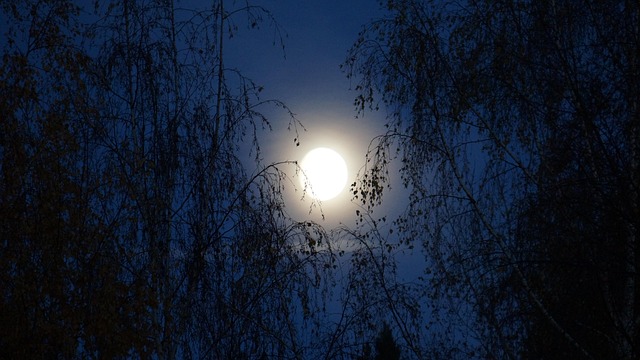
The Most High gives much. But gives most gladly to the heart that says:
Thank you.
I see it.
Let me return it, in love.
If any of my writing inspires you then please consider making a donation to support my sharing.
More Details

 Ancient Whispers
Leave a comment