**Prayer to Begin the Fast**
Christ of the Wilderness,
I lay down the comfort of food,
to seek the deeper nourishment of Your presence.
Let this hunger become holy.
Let it turn me from what distracts,
and lead me to what endures.
As I close the day with an emptying,
may my spirit be filled with light.
May every ache become an altar,
every pause a place of meeting.
You who fasted in the desert,
walk with me now.
Guide me through the night
into the stillness of Your peace.
Amen.
The Sacred Practice of Fasting
Fasting is a sacred practice that I’ve chosen to explore through the lens of Celtic Christianity. In our modern world, where food is abundant and distractions are constant, the idea of voluntarily abstaining from food for spiritual reasons may seem unusual. But in the early Christian tradition — and in the lives of the Celtic saints — fasting was a pathway to deeper connection, clarity, and presence.
In this tradition, fasting is not about punishing the body or proving spiritual strength. It is about making space. It is about intentionally creating emptiness, so that the Spirit might fill what we have set aside. As I fast from food, I do not do so to suffer, but to awaken — to tune into God more fully and to listen more deeply to the voice that so often gets drowned out by noise and routine.
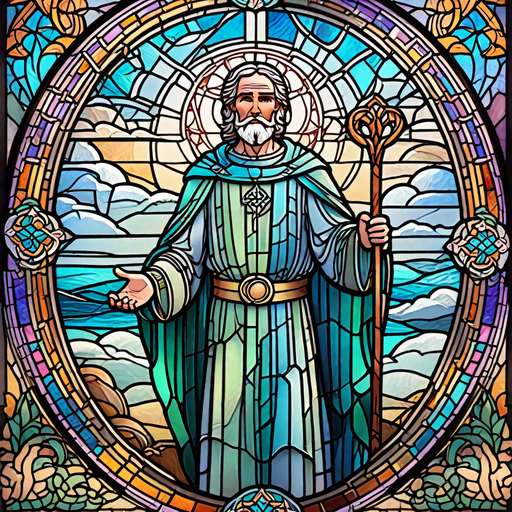
Early Celtic Christians fasted to draw close to God, often retreating into the wilderness, aligning with nature, and embracing simplicity. Their rhythm was not legalistic, but relational. They fasted to open themselves to grace — and to become, in a sense, thin places themselves, where the veil between heaven and earth grows thin.
For me, the fast begins after my evening meal — tea or supper — and continues for 24 hours, ending with the next evening meal. During this time, I hydrate, I slow down, and I pray. Instead of food, I seek the sustenance of Scripture, silence, and the Spirit. Sometimes I walk in nature, sometimes I read a psalm, and often I simply sit in the stillness. There, in the ache of hunger, something deeper begins to rise.
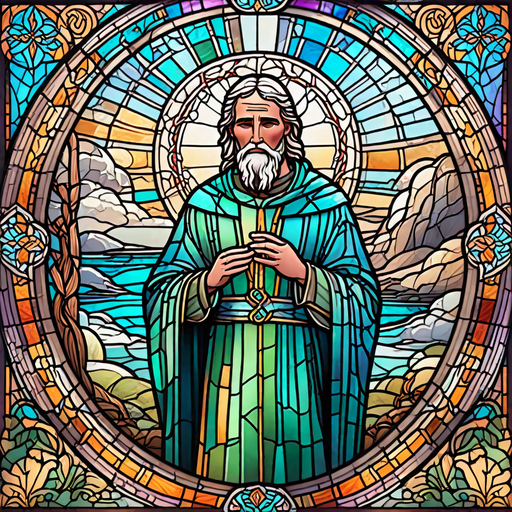
This practice also aligns beautifully with the Celtic sense of rhythm and prayer. I light a candle at the beginning and end of the fast. I pause to bless the hunger, to recognize the sacredness in my body’s longing, and to offer it all to God. And when I break the fast, I do so with reverence — a small, quiet feast of gratitude.
If you are thinking of trying fasting for yourself, I recommend starting gently. Hydrate well. Begin with a 16-hour fast — perhaps simply skipping breakfast — and see how your body and spirit respond. Always listen to your body. And more importantly, listen for the still small voice that fasting so often unveils.
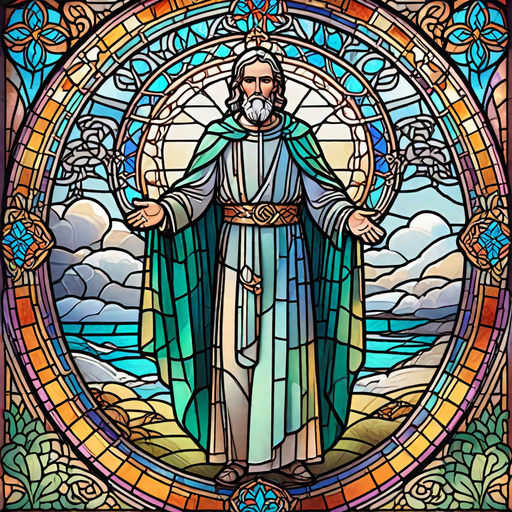
In the end, fasting is not about food. It’s about presence. It’s about returning to God, again and again, with all that we are — and all that we are willing to let go of.
**Prayer to End the Fast**
Christ of the Table,
I return now to the gifts of the earth —
bread and blessing, fruit and fullness.
May I receive them with reverence and joy.
In this time of fasting,
You have fed me with silence,
with breath, with Your still voice.
Thank You for the unseen sustenance,
and for what has stirred in the quiet.
As I break this fast,
may I carry its wisdom with me —
a lighter heart, a clearer path,
and a deeper hunger for You.
Amen.
 Ancient Whispers
Leave a comment