There is a sorrow that does not crush but opens.
It is not the sorrow of despair, nor the heaviness of shame. It is a holy sorrow—a compunction of heart—that softens what has grown hard within us and invites us to kneel before the truth of things with tears not of guilt, but of grace.
To feel compunction is to become human again.
Rediscovering Holy Sorrow
In our culture, we are taught to numb and distract. Pain is a problem to be solved, sorrow an inconvenience to be silenced. But the ancient saints knew better. They taught that tears can be sacred. That grief can be a doorway. That compunction is not a punishment, but a gift.

Compunction is the soul’s ache for God. It arises not from perfection, but from the awareness of our imperfection, held in the light of mercy. It is not neurotic guilt or obsessive regret—it is a yearning to be whole, a recognition of the gap between who we are and who we are becoming.
The Saints and Their Tears
This sacred sorrow clears space within us. It softens pride. It burns away distraction. It makes room for God.
Saint Columba, it is said, wept often over his youthful arrogance and the conflicts it caused. And yet it was through those tears that his heart was softened, and he became a source of healing for others. Likewise, Saint Brendan, known for his voyage, sought silence and prayer not to escape the world, but to deepen his heart’s response to it.
To walk with compunction is to walk with awareness. Not anxiety. But honest, humble attentiveness to the condition of the soul.
Leaving the Lesser Joys
The ancient texts warn us not to seek too much freedom. Not because freedom is bad, but because unguarded liberty can scatter the heart. A soul stretched too thin cannot rest in God.

Much of what we call joy is often distraction in disguise. It tickles but does not satisfy. It entertains but does not nourish. Compunction teaches us to long for something deeper. A joy that does not flee in silence. A peace that does not fade in solitude.
This is why the saints turned from worldly mirth. Not because they despised life, but because they desired it whole.
A Holy Discomfort
We rarely change while we are comfortable. Compunction stirs us. It unsettles the soul just enough to wake it.
To feel the weight of our shortcomings is not to be condemned by them. It is to stand in truth. A truth that brings us to tears not because we are unloved, but because we are loved too deeply to be left unchanged.
A heart that has known compunction begins to see differently. It no longer seeks escape, but redemption. It does not cling to distraction, but finds peace in the Presence that remains.
The Gift of Tears
There is a poverty of spirit that complains constantly. But there is also a poverty of spirit that opens the floodgates of prayer.
The ancient Celtic monks often prayed for the gift of tears. Not dramatic weeping, but a steady stream of soul-softening grace. They saw tears as healing water, as signs that the heart was alive again.
We might do well to pray for the same. Not to dwell in sorrow, but to let sorrow do its work—to clean the lens of the soul.
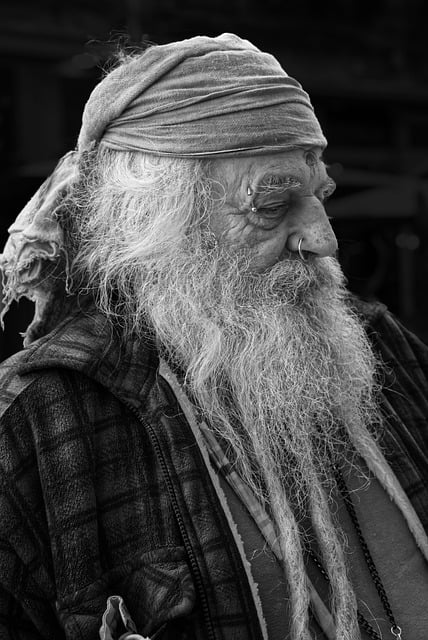
If we wept more over the true things—the ache of separation from God, the brokenness of the world, the places we’ve grown cold—we might find that joy returns with more depth, more tenderness.
Keeping the Heart Awake
Compunction teaches us to keep watch. It reminds us that we are not yet whole. That there are places in us still waiting to be healed, transformed, redeemed.
We live in a time that treats seriousness as a flaw. Everything must be light, amusing, immediate. But a spiritual life that only dances and never weeps is incomplete.
We are pilgrims. And pilgrims walk with tears in their eyes, not because they are hopeless, but because they are going home.
The fear of God is not terror, but reverent awareness. The soul who walks in that awareness lives with a kind of gravity—not heaviness, but depth.
And that depth is the soil in which real joy grows.
To Weep with Jesus
The call to compunction is not a call to morbid introspection. It is a call to intimacy. Jesus Himself wept. Over cities. Over death. Over love withheld.
To weep with Jesus is to walk close beside Him.
It is to feel what He feels. To love what He loves. To ache where He aches.
It is the heart’s response to divine beauty meeting human frailty.
And in that sacred meeting, something shifts. The soul becomes more pliable. The conscience more tender. The will more surrendered.
Tears become a prayer, and sorrow becomes a path.
The Last Word Is Love
Compunction is not the end. It is the beginning of transformation. It breaks the shell of the hardened heart so that grace can enter.
If you feel far from God, ask for tears.
If your heart has grown cold, sit in stillness and ask to feel again.
If joy feels shallow, let sorrow deepen it.
The one who learns to weep in the arms of God finds a joy the world cannot steal.
And in the silence after the tears, Love speaks.
Not to shame, but to call.
Not to condemn, but to restore.
Not to wound, but to welcome.

This is the grace of compunction: not sorrow that ends in despair, but sorrow that ends in union.
The way home is wet with tears. But it leads to joy.

Click image to discover more

 Ancient Whispers
Leave a comment