To live a life that is both authentic and rooted in the sacred is no small thing. It is to walk a path where your outer life reflects, but never outshines, the inner landscape being quietly shaped by grace. What people see is only ever a shadow of what God sees. And it is the inner life that matters most.
This is not to say appearances don’t matter—but rather that the soul is our true altar. The work of a spiritual person is not to perform devotion, but to become devotion. To make of one’s life a living vow.
A Daily Beginning
There is wisdom in beginning again. Every single day.
The ancients understood this. In the Celtic Christian tradition, early monks and solitaries like Ita, Columba, and Enda would begin the morning not with a sense of arrival, but with a humble return: “Lord, help me today to begin again.”
Not with guilt. But with sincerity. Not to strive harder, but to come home to the vow.
This rhythm of daily return—of remembering our heart’s intent—is the spine of the spiritual life. We are not called to be perfect. We are called to be present.
Whether through prayer, breath, sacred reading, silence, or simply setting a gentle intention in the morning light, we turn toward the divine and say, “Let me walk with You today.”
Progress Through Grace
In our culture of self-help and hustle, it is tempting to think our spiritual progress depends on grit alone. But the path of devotion teaches otherwise.
Effort matters. But grace carries.
We resolve, yes. We commit. We build rhythm and rule. But we also acknowledge: all progress is gift. As the proverb says, “Man proposes, but God disposes.”
When we fall short—and we will—it is not a sign of failure, but an invitation to trust more deeply. Even our weaknesses, when surrendered, become vessels for transformation. The saints knew this. They did not glory in their spiritual achievements but returned constantly to humility.
The Sacred Balance
There will be days when prayer is easy, and days when it feels dry. Days when silence is spacious, and days when it is crowded with distraction.
That is why we hold a rhythm.
Morning and evening—two hinges upon which the soul can turn. The dawn for resolution, the dusk for reflection.
How did I walk today? Did I act from love? Did I honour the vow?

This is not self-punishment. It is self-presence. A loving, honest gaze at the life we are shaping.
The inner and outer life mirror each other. The way we tend our tasks, speak to others, move through our work—these are not distractions from our practice. They are the practice.
Spiritual Exercises for Ordinary Souls
The phrase “holy exercises” might conjure images of extreme asceticism. But truly, they are just movements of love.
Reading, writing, praying, meditating, serving—all can be sacred. Even walking. Even washing dishes.
In Celtic practice, the sacred was not confined to church walls or holy days. Every act, when done with reverence, became a thin place. Every breath, a chance to commune with the Holy.
And yet, discernment is needed. Not all exercises suit every soul. Not all rhythms fit all seasons. What brings you closer to the heart of God in winter may not sustain you in spring.
Allow yourself permission to adapt. And let your spiritual life breathe.
Secret Devotions, Faithful Duties
There is a deep beauty in secret devotion—those hidden prayers said when no one is watching. But these must never replace our faithfulness to the life we have committed to live outwardly.
Spiritual life is not an escape. It is a commitment. We care for our responsibilities not just out of obligation, but as an extension of our vow. Our duties—to family, to work, to community—are sacred ground.
When space allows, yes, turn inward. Retreat. Reflect. Renew. But let your devotion be integrated, not compartmentalised. Let it flow like a stream through all the terrains of your day.
Seasons of the Soul
There are exercises that suit seasons of joy, and others that hold us through grief. Some that energise in spiritual peace, and others that steady us in temptation.
The liturgical calendar understands this rhythm. In Advent, we wait. In Lent, we strip back. In Easter, we rise. In ordinary time, we walk.
The Celtic saints lived by a natural rhythm of feast and fast, tide and turning. Let your practice reflect this wisdom. Don’t force perpetual summer. Let there be seasons.
From one holy day to the next—from Christmas to Candlemas, from Pentecost to All Saints—we live as if preparing to step through the veil. Let every sacred observance be a rehearsal for heaven.
Watching at the Gate
There is no final arrival in this life. We are always in preparation.
But blessed is the one who is found watching. Who keeps the flame lit. Who checks the oil in the lamp. Who lives as if the feast were just beyond the hill.
Not with fear. But with anticipation.
The Celtic way was never about fear of judgment. It was about readiness for joy. To enter the eternal feast not as stranger, but as beloved.
So let us renew our vows, not as burden, but as delight. Let us begin again each morning, not as those who have failed, but as those who remember.
Let your whole life be your prayer. Let your breath be your yes. Let your days be your vow.
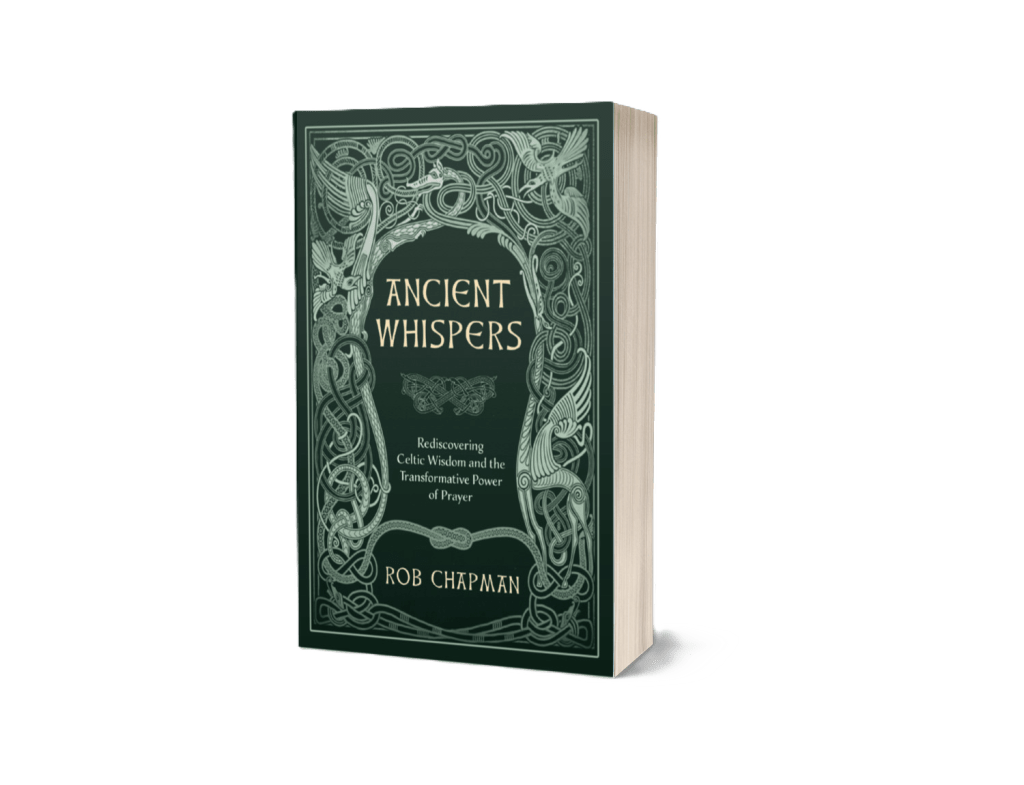

 Ancient Whispers
Leave a comment