A Life Set Apart: Embracing the Pilgrim’s Path in the Everyday
There comes a quiet yearning in the soul. It does not begin with thunder or trumpet blasts, but with a subtle disquiet—a sense that the life we are living, though full, is not yet whole. That beyond the emails and the errands, the appearances and aspirations, there is something more—a deeper rhythm, a clearer path, a truer way of being.
This inner pull is ancient. It echoes through the lives of mystics, monks, and seekers, and it stirs again in the hearts of many today. In the Celtic Christian tradition, it was often framed as a longing for the anam cara, the soul-friend, or the peregrinatio, the wandering pilgrim who left behind all for the sake of God.
To live a religious life, in this older sense, is not about withdrawing from the world. It is about stepping more consciously into it—with sacred intent and a willing heart. It means choosing a way that is radically countercultural: a life not based on achievement, recognition, or gain, but rooted instead in presence, humility, and devotion.
The Monastery of the Everyday
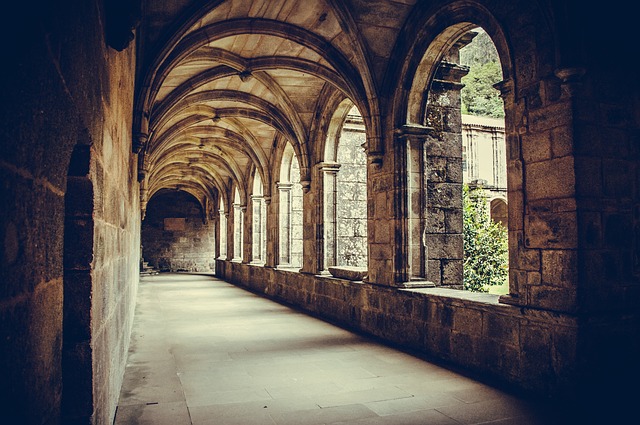
In this sense, the monastery is no longer confined to stone walls and sacred chants—it becomes the kitchen sink, the traffic jam, the patient listening in a difficult conversation. Every moment can be cloaked in presence. Every act an opportunity to practice faithfulness.
To live as one devoted to God does not require renunciation of the world but requires that we meet the world with open eyes and an open heart. It is not ease we are called to, but embodiment.
This is not the fashionable spirituality of curated retreats or carefully filtered quotes. It is the hidden work. The daily discipline. The long obedience in the same direction. And yet, it is here that the deepest joy is found—because this way of living begins to draw us into alignment with the sacredness that underpins all things.
Becoming Exile, Becoming Pilgrim
The soul who chooses the religious life will inevitably feel like a stranger at times. This is not a flaw, but a signpost.
To walk with a pilgrim’s heart is to accept that you may no longer fit easily into the values and rhythms around you. You may be called a fool. You may be misunderstood. You may question your own path more than once. But this dislocation is part of the invitation.
The Celtic monks spoke often of exile for the love of Christ—a chosen dislocation that opened them to grace. They would sail without oar or compass, trusting the Spirit to carry them where they were most needed. This wasn’t about recklessness. It was about radical trust. About letting go of the need to control every outcome and instead living in surrender to the deeper flow of grace.

Today, exile may not mean sailing to distant shores. It may mean becoming inwardly free from the need to be liked, the craving for applause, the constant temptation to measure our worth by our productivity. It may mean stepping into conversations others avoid. Choosing stillness over noise. Forgiveness over vengeance. Depth over popularity.
And in this chosen exile, we find the pilgrim’s joy—not in having arrived, but in walking the road with God.
Letting Go to Grow
In older writings, the spiritual journey was often described as requiring “mortification” of the self. Today, that word carries painful connotations that can be easily misunderstood. But in its original sense, it simply pointed to the need to let go of our attachments—to pride, control, comfort, or ego—in order to be made new.
This is not about punishment or self-denial for its own sake. It’s about creating space for what is truer, softer, and more alive in us to come forth. Like a sculptor gently chipping away stone to reveal the form within, the soul’s work is to clear what obscures the image of God within.
Letting go to grow means choosing forgiveness over resentment, presence over distraction, humility over defensiveness. It is not a grand performance but a quiet interior shift. A series of small, faithful turnings.
This is the path of transformation. Of becoming more real, more rooted, more radiant.
Humility: The Hidden Jewel
No one who longs for a life of depth can avoid the path of humility. It is not about playing small or hiding your light. It is about showing up truthfully—without the need to inflate or diminish yourself.
To be “least and servant of all” is not about weakness; it is the greatest strength. It is the ability to meet others in love, without needing to prove, perform, or posture.
Humility frees us to be present. To really see the person in front of us. To listen without defence. To love without condition. It is tested most in the context of community—with family, with colleagues, with those we find difficult.
And yet, it is in these relationships that humility can flower into something truly beautiful: compassion, patience, wisdom.
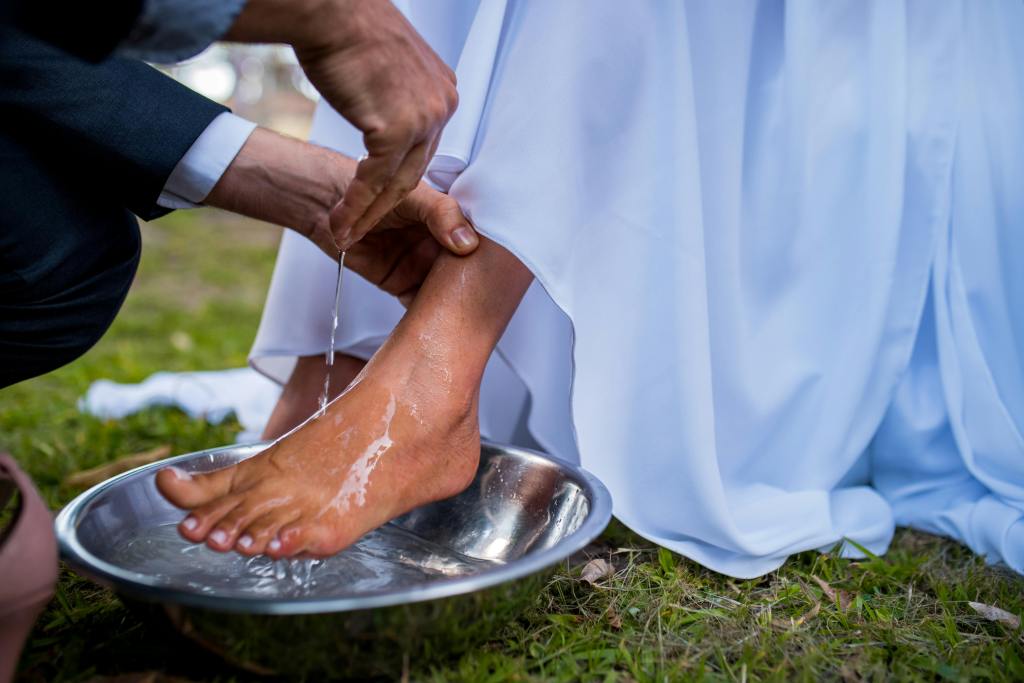
The Celtic saints understood this. They did not live above others, but among them. As healers, teachers, and companions. Their holiness was not marked by separation, but by service.
So it is for us. We are not called to shine in isolation, but to illuminate the path for others as we walk together.
Fool for Love
To live this way will not always make sense to others. You may be misunderstood. You may be told you’re too idealistic, too sensitive, too much.
Let it be so.
This is the way of the holy fool—the one who chooses love over cynicism, gentleness over sarcasm, integrity over image. Not because it’s easy, but because it’s true.
The world may not reward this path. But the soul will.
You may not win the argument, but you will keep your peace. You may not get the last word, but you will find your centre. You may not be praised, but you will be free.
And in that freedom, you will become a quiet revolution—an invitation for others to remember what really matters.
Refined by Grace
The spiritual life is not tidy. It is not always calm. There are moments of deep wrestling, of dry seasons, of aching questions. But even these are part of the refinement.
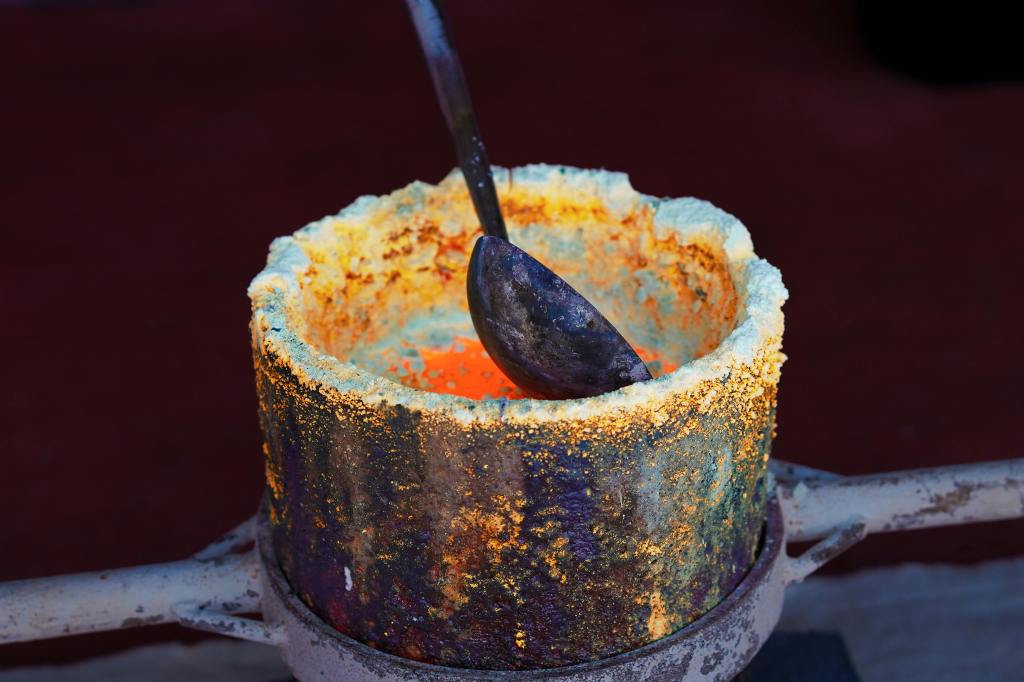
The ancient image is gold in the furnace. Not destroyed, but purified. Not burnt up, but made radiant.
You will not be the same person you were when you began. And that is grace.
Not the grace of ease, but of depth. Not the grace of answers, but of presence. Not the grace of having it all together, but of being wholly, wildly loved as you are.
The Hidden Wholeness
To live a life set apart is not to run from the world but to meet it differently. To see the sacred shimmering beneath the surface. To carry the presence of God not as a banner, but as a breath.
This life does not require perfection. It asks only this: be faithful. Be present. Be real.
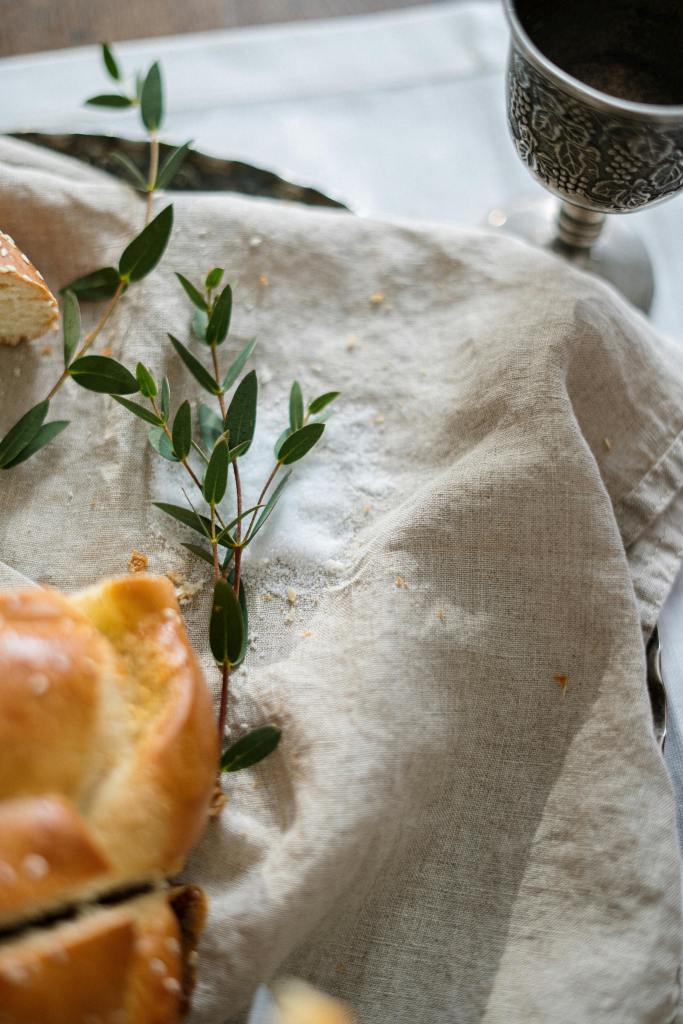
And in doing so, you will walk the path of the ancient ones. The pilgrims. The monks. The mothers and fathers of faith. And you will discover that the way of devotion is not far off—it is here, now, waiting to be lived.
So step into the sacred ordinary. Carry the fire of love. And walk on.
 Ancient Whispers
Leave a comment