Easter Sunday stands at the very heart of the Christian story. It is the day that transforms the landscape of faith, shifting the world from resignation to hope, from death to life. Yet Easter does not begin with fanfare or grand speeches. It begins in the quiet of a garden at first light, with one woman weeping, and a voice calling her by name.
Mary Magdalene did not come to the tomb expecting resurrection. Like us, she came expecting what experience had taught her: grief, finality, loss. She arrives carrying spices for a body she loved but believed was gone. Instead, she finds the tomb empty, and her understanding of reality shattered in a moment.
Easter is not just the story of Christ rising. It is the story of how resurrection enters the ordinary moments of human life—quietly, personally, and with transformative power.
Resurrection Is Not a Concept — It Is a Reality
Too often, we think of the resurrection as an article of belief, something to be affirmed once a year before life returns to normal. But Easter is far more than a ceremonial checkpoint.
It is a declaration that the deepest patterns of life have changed.
Death is no longer final.
Loss is no longer absolute.
Despair is no longer the only outcome.
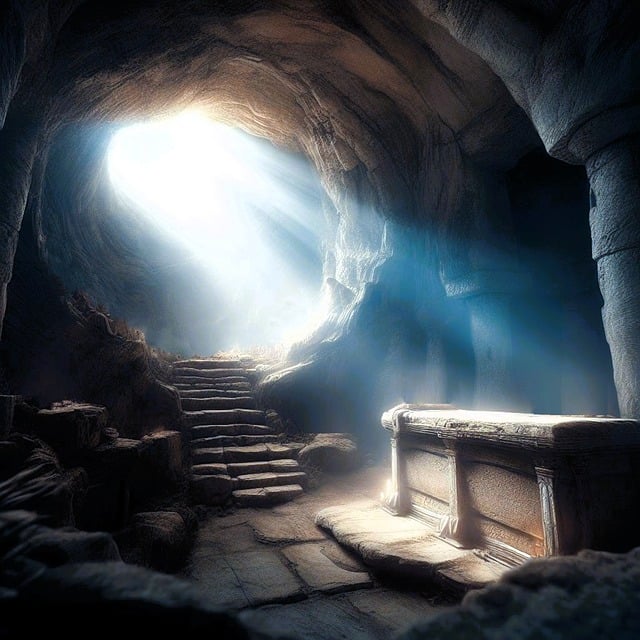
The resurrection of Christ is not simply about what happened to Jesus. It is about what is now possible for all creation, and for each one of us.
It reminds us that even when life appears sealed behind a stone, grace is already working.
Resurrection is not a single event in the past. It is the living reality that shapes every breath we take, every act of courage, every small beginning.
Celtic Christianity and the Earthiness of Resurrection
In the Celtic Christian tradition, resurrection was not imagined as something far removed from daily life. It was understood as something woven through creation itself.
The rising of the sun each morning was seen as a resurrection.
The stirring of seeds beneath the soil after the long winter was a resurrection.
The return of laughter after grief, the healing of wounds thought incurable—all these were signs that resurrection is not rare. It is embedded in the very fabric of life.
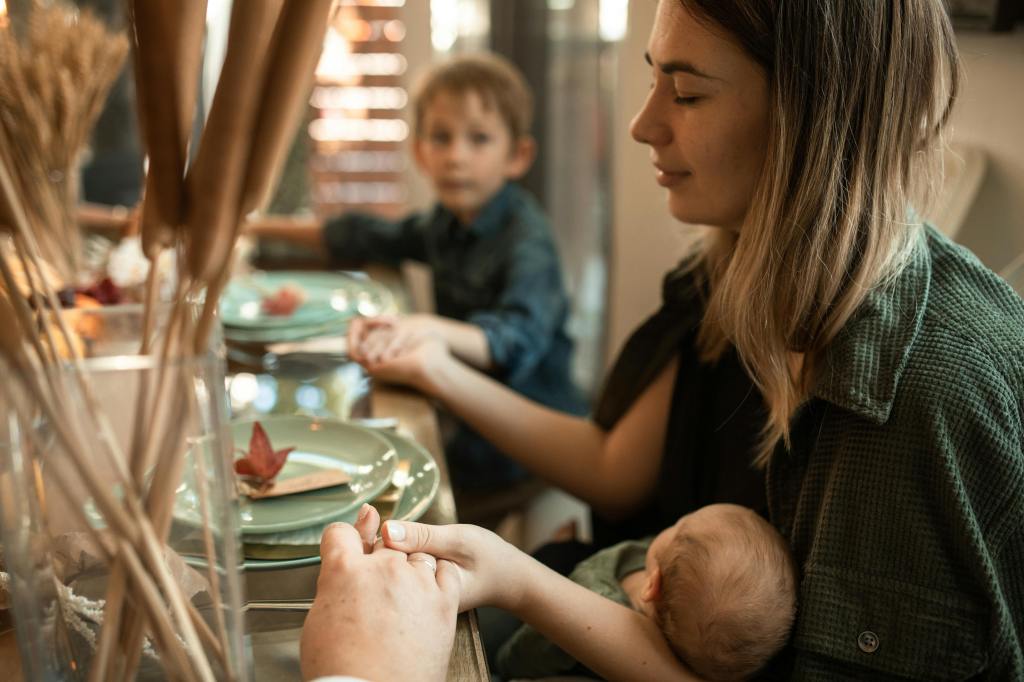
Celtic Christians celebrated resurrection not only with formal liturgies but in everyday acts of reverence: lighting a fire, blessing a meal, walking through fields newly green.
Their faith taught that to live attentively to the life around you was to live attentively to the risen Christ.
We are invited into that same awareness—not to relegate resurrection to a distant hope, but to recognise it as a living force moving through the world today.
Where Resurrection Calls Us
Easter is not just about joy; it is about transformation. It calls us to ask hard but hopeful questions:
- Where in my life have I settled for death when God is offering new life?
- What hopes have I buried too soon?
- What new beginning is being offered to me, even if I do not yet recognise it?
Mary did not recognise Jesus at first. Resurrection often comes in forms we do not expect.
It may arrive quietly, tenderly, asking us to trust before we fully understand.

We are called to live as those who have seen the empty tomb—not just once, but continually.
To live as those who know that light overcomes darkness, and that no grave holds the final word.
A Practice for Today
Today, let your celebration of Easter move beyond words into action.
Begin something, even something small, that reflects the life that cannot be extinguished.
Plant a seed. Reach out to someone you have grown distant from. Start a project you have been putting off. Offer kindness where resentment might have lingered.
In these small acts, you embody resurrection.
You participate in the quiet, unstoppable movement of grace.
Easter is not a memory to admire. It is a life to live.
Final Thought
Easter Sunday is not the end of the story—it is the opening of a new chapter.
The stone has been rolled away.
The garden is no longer a place of mourning, but a place of encounter.
The silence of Holy Saturday has given way to the first words of new life.
And now, the call is simple but profound:
Live as someone who has risen.
Carry the light into a world that still feels the shadow.
Trust that even in small beginnings, the power that raised Christ from the dead is still at work.
He is risen—and so are we.
 Ancient Whispers
Leave a comment