When we hear the word “saved,” especially in a Christian context, it can easily become a familiar echo, a word repeated so often that it risks losing its weight. Yet during my recent re-reading of John’s Gospel, following along with David Suchet’s rich narration, I found myself arrested by one simple, searing question:
Saved from what?
John 10, with its images of gates, sheepfolds, and the Good Shepherd, invites us to step beyond mere familiarity. It invites us to realize that salvation is not merely about avoiding danger — it is about escaping the thieves that rob us of the life we were created to live. It is not abstract. It is deeply, intimately personal.
And it is needed now, more than ever.
The Lostness Beneath the Surface
In John 10:7-10, Jesus says:
“I am the gate. Whoever enters through me will be saved. They will come in and go out, and find pasture. The thief comes only to steal and kill and destroy; I have come that they may have life, and have it to the full.”
To be saved, then, is first to be saved from separation.
Separation from God. From life itself. From our true selves.
The modern world prizes individuality, autonomy, self-reliance. Yet beneath this surface, how many of us feel the quiet ache of disconnection? How many wander through life carrying a gnawing sense that we are somehow lost — that something essential has been forgotten?
In Celtic Christianity, the image of “Anam Cara” — the soul friend — speaks to this longing. We were never meant to walk alone. Salvation, at its heart, is not about escaping punishment; it is about returning home. It is about belonging.
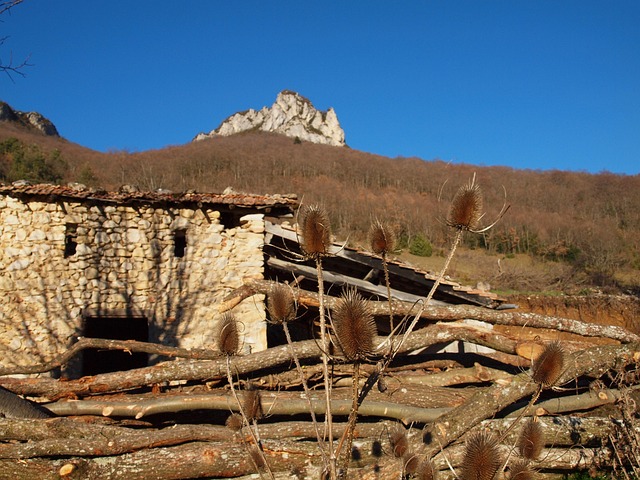
Christ, the true Shepherd, calls us back into relationship. Not into rule-keeping, not into burdens, but into the intimate pasture of love where we are fully seen and fully safe.
The Thieves at the Door
Jesus speaks clearly: there are thieves who come “only to steal and kill and destroy.”
We often imagine thieves as external enemies. Yet many of the most dangerous “thieves” are subtle, internal. They creep in disguised as success-at-all-costs, endless comparison, self-loathing masked as humility, cynicism sold as wisdom.
In changework and coaching, we often speak about how internal narratives — the whispered voices of fear, shame, and “not-enoughness” — can steal away a person’s vitality long before any external circumstance has a chance.
Salvation, then, is also being saved from these inner thieves.

It is the awakening moment when you realize that the voice that tells you “you are not worthy” is not the voice of the Shepherd. It is the moment when you stop believing that survival is all there is.
The False Shepherds
Another dimension of salvation is to be saved from false shepherds.
Throughout history — and heartbreakingly, sometimes even within the Church — there have been those who wield power not to serve, but to dominate. Who use fear to control rather than love to liberate.
In a world obsessed with status, wealth, and influence, we are surrounded by countless “shepherds” promising fulfillment if only we follow them: brands, celebrities, ideologies, political movements. Even well-meaning religious leaders can sometimes distort the call.
Yet Jesus stands apart. The Good Shepherd lays down His life for the sheep. He does not demand our devotion to feed His own ego. He invites us into mutual indwelling — to abide in Him, and He in us.

Escaping the thieves means recognizing these false voices and choosing the true one, even when it requires courage.
Saved Into Abundant Life
Too often “salvation” is framed only in negative terms: saved from sin, from hell, from judgment.
But John 10 reveals the deeper, more radiant truth:
We are not merely saved from — we are saved into.
Into abundance. Into joy. Into a life that is rooted, fruitful, resilient.
In the spirit of Celtic Christian tradition, the old Irish hymn “Ag Críost an Síol“ offers a beautiful glimpse into the living reality of eternal life. It speaks of Christ as present in every season of existence — from the first stirrings of growth, through the trials of life, through death, and into rebirth.
The hymn reminds us that death is not an end, but a passage into deeper life in Christ’s embrace. It is not a distant hope reserved for some future day, but a journey that unfolds now, as we walk in communion with the living God.
This echoes the heart of Jesus’ promise in John 10: that eternal life is not simply what waits beyond the grave, but what begins the moment we hear His voice, and step through the gate into life abundant.
A Word to the Weary
Perhaps you, like me, sometimes feel weary. Perhaps you feel poured out, wondering if anything is left to offer.
To you, Jesus speaks softly through John 10:
“Come in. Find pasture.”
You were never meant to survive on scraps. You were never meant to fight your way through thorns alone. The Shepherd has prepared wide fields of grace. Not by your earning. Simply by your being.
Let yourself be saved again, and again, and again — not because you have failed, but because salvation is life itself.
It is the breath in your lungs. It is the strength for your next step. It is the fire on the shore, where He waits with breakfast ready.
It is not too late. You are not too lost.

You are loved.
You are called.
You are already being gathered back into the fold.
Final Reflection
Escaping the thieves is not about fear.
It is about hearing the true Voice. It is about finding again the life you were made for — the life of abundance, purpose, and belonging.
It is about stepping through the Gate, into wide fields of grace.
It is about finding your place in the great unfolding story of love.
It is about Christ calling you by name, and you turning to follow.
This is the Gospel. This is the Good News. This is the invitation still sounding across the hills and waters of your life.

Will you hear His voice? Will you escape the thieves? Will you find the life you were made for?
Feeling lost, stuck or disillusioned on your path?
Take a look at
Walking Together

 Ancient Whispers
Leave a comment