In an age of constant information, we often consume knowledge rather than absorb wisdom. We read to be informed, to debate, to impress others with our understanding—but how often do we read to be transformed?
What if reading was not about what we know, but who we become because of it?
In both ancient Celtic wisdom and spiritual traditions across the world, reading was never just about gathering facts—it was a sacred act, a way of entering into something larger than oneself. The words we take in shape us, not just intellectually, but at the deepest levels of our soul.
The Illusion of Intellectual Pride
Modern culture celebrates those who speak the most, know the most, and debate the best. We have built a world where knowledge is often used as a weapon—to prove superiority, to outsmart, to impress.

But knowledge alone is empty if it does not change us.
The Celtic Christian tradition emphasized humility in learning. Reading was approached reading as a form of prayer, not as an intellectual contest. They understood that:
- The greatest wisdom is often found in simplicity.
- Reading with humility opens the heart to transformation.
- Truth is not about who said it, but what is being said.
In contrast, today we often ask:
- Who wrote this? (Do they have authority?)
- How does this align with my current views? (Can I use this to confirm what I already believe?)
- How does this make me look? (Can I use this knowledge to impress others?)
But true wisdom asks only one thing:
What is the truth here, and how can I live it?
Reading as a Path to Transformation
There is a vast difference between reading to know and reading to be changed.
- The first seeks control—to master ideas.
- The second seeks surrender—to be mastered by wisdom.
We have all read things that have stayed with us for years—not because they gave us new facts, but because they shifted something deep inside us.
The Celts believed that the spoken and written word carried power—that words were not just symbols on a page, but living things capable of shaping the world.
If this is true, then how we read matters just as much as what we read.
Why Do We Read?
- Do we read to seek deeper truth—or just to confirm our existing beliefs?
- Do we read with humility—or with the desire to prove ourselves?
- Do we read to be transformed—or to accumulate knowledge?
The difference between spiritual reading and intellectual consumption is simple:
✅ Spiritual reading invites us to listen—it is an act of receiving, not just analyzing.
✅ Intellectual reading invites us to argue—it is an act of mastering knowledge, rather than letting it master us.
One leads to wisdom. The other often leads to arrogance.
Letting Go of the Need to Debate
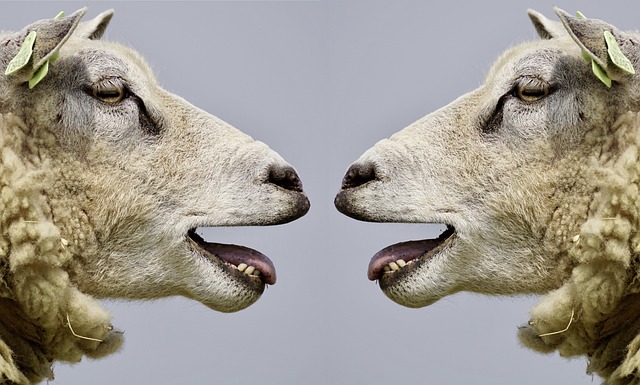
One of the greatest obstacles to deep understanding is the desire to dissect and debate rather than listen.
- How often do we interrupt our reading with skepticism, argument, or resistance?
- How often do we reject wisdom from unexpected places, because it doesn’t fit into our existing framework?
The ancient Celts had a phrase:
“Listen twice before speaking once.”
This applied not only to conversation, but to reading and receiving wisdom.
Rather than asking:
“Do I agree with this?”
They would ask:
“What is this teaching me?”
This shift in mindset changes everything.
Humility in Learning
True wisdom does not seek to win—it seeks to understand.
The greatest teachers are those who:
- Read with openness, rather than resistance.
- Ask questions, rather than assume answers.
- Let wisdom shape them, rather than trying to control it.
There is a sacred relief in humility—in not needing to be the expert, prove ourselves, or have all the answers.

The world is filled with voices clamoring to be heard. But the truly wise are those who listen, absorb, and let truth settle deep into their being.
How to Read for Wisdom, Not Just Knowledge
So how do we shift from reading for status to reading for transformation?
1. Read With an Open Heart
Instead of reading to confirm what you already believe, read to be challenged and expanded.
- Let go of the need to defend yourself against new ideas.
- Approach words with curiosity, rather than resistance.
- Assume there is something to learn in every experience.
2. Do Not Dismiss Based on the Source
We often judge wisdom by who said it rather than what is being said.
- Truth is not owned by any one person, culture, or belief system.
- A humble teacher may reveal more than a celebrated expert.
- Do not let your pride prevent you from receiving wisdom.
3. Read Slowly, Read Thoughtfully
The ancient Celts valued slow, meditative reading—not rushing through texts, but sitting with them, allowing them to sink in.
Try this:
- Instead of racing to finish a book, pause and reflect on one idea at a time.
- Ask: How does this apply to my life?
- Let go of the pressure to “get through” knowledge—wisdom is not measured in pages read.
4. Ask Questions, Then Be Still
Wisdom is often revealed in quiet, rather than debate.
- Instead of arguing with the text, sit with it.
- Ask: What is this teaching me?
- Then, be silent. Let the answer come in its own time.
5. Seek Truth, Not Just Information
Not everything that sounds impressive is meaningful.
- Do not chase complexity for its own sake—often, the most simple truths are the deepest.
- Ask: Does this lead me toward greater love, wisdom, and peace?
- If the answer is yes, hold onto it. If not, let it go.
Reading as a Spiritual Practice
What if reading was not just a way to consume information, but a way to connect to something greater?
What if it was an act of stillness, humility, and transformation—rather than a race to know more, be right, or impress others?
The Celtic monks saw reading as a form of prayer—a time to sit with wisdom, to listen deeply, to let truth unfold in the heart.
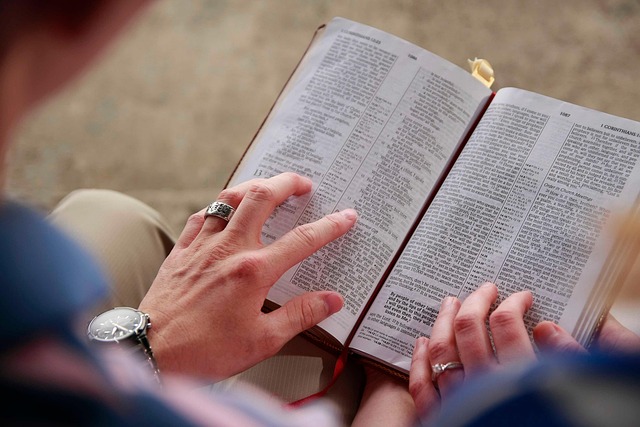
What if we returned to this way of learning?
Perhaps today is an invitation—to read not to conquer knowledge, but to be changed by it.
Because in the end, it is not what we know that matters.
It is who we become because of it.

 Ancient Whispers
Leave a comment