We live in an age overflowing with knowledge. Wisdom, advice, and self-improvement techniques are at our fingertips. We can access lectures from world-class scholars, watch endless spiritual talks, and consume information faster than ever before. Yet, despite this, how many of us truly live what we know?
What good is knowing, if it does not change who we are?

This is not a question for scholars or philosophers alone. It speaks directly into our modern world. We admire wisdom but often fail to embody it. We follow inspirational figures, read spiritual books, and share quotes about peace and love—yet, when faced with challenges, do we actually live these truths? Do we meet frustration with gentleness? Do we choose faith over fear?
A World of Knowledge, A Hunger for Wisdom
Social media, podcasts, and online courses offer limitless access to knowledge. But has it made us wiser? Or just more opinionated? Many seek identity in being knowledgeable, forgetting that true wisdom is lived, not learned.
The early Celtic Christian monks understood this well. They didn’t sit debating theology in ivory towers. They walked the coasts, tended the land, and lived in rhythm with God. Their faith was not a subject of discussion; it was a way of being. The question remains as relevant today as ever: Are we collecting ideas, or are we letting them transform us?
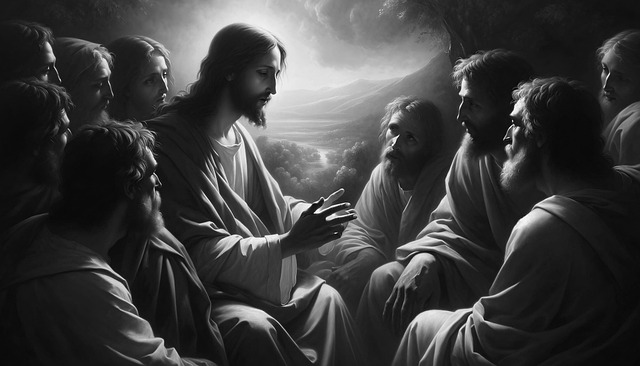
This difference between knowledge and wisdom has never been starker. We are bombarded with information, yet we are starved of depth. We chase after facts, statistics, and spiritual insights but seldom pause long enough to let them take root in our hearts. There is a quiet arrogance in assuming that simply knowing something means we have mastered it. True wisdom is slow. It takes time. It seeps into our bones through experience, through reflection, through living it.
The Illusion of Importance
There is a danger in the vanity of knowledge for its own sake. Today, this might look like:
- Measuring self-worth by achievements or credentials.
- Seeking spiritual insights but refusing to surrender pride.
- Debating truth rather than living truth.
- Amassing knowledge but resisting transformation.
We are conditioned to believe that the more we know, the more we are worth. Intelligence, status, and influence have become markers of value. But the true spiritual path does not reward the most knowledgeable—it rewards the most humble. Those who live their faith quietly, without need for recognition, are the ones who truly walk in wisdom.
This is a difficult truth in a world that thrives on visibility. We want to be seen as wise, enlightened, successful. But the most profound wisdom often grows in hidden places. It is not found in loud declarations or in public debates—it is found in the quiet moment when we choose kindness over judgment, faith over cynicism, humility over self-importance.
Walking the Path, Not Just Talking About It
What does this look like today? It is easy to talk about the need for peace in the world, but do we cultivate peace within ourselves? It is easy to admire those who serve the poor, but do we make space in our own lives to serve? It is easy to quote scripture, but do we embody the teachings?
We do not need more opinions about faith. We need more embodied faith.
Living truth is not always grand or dramatic. Often, it is in the small, unnoticed moments:
- Holding your tongue when anger rises.
- Offering a kind word to a stranger.
- Choosing patience when things don’t go your way.
- Sitting in silence and listening, rather than rushing to speak.
Each of these moments is an opportunity to move from knowledge to practice, from ideas to embodiment. The spiritual path is not about accumulating more information, but about being willing to be changed by what we already know.
The call is not to accumulate knowledge, but to be changed by it.
The challenge is simple but radical: Live the truth you seek. Not just in words. Not just in what we claim to believe. But in the very way we live, breathe, and move through this world.
Letting Go of the Need to Be Right
One of the greatest obstacles to true wisdom is our attachment to being right. We crave validation. We want to prove our point. We want to be seen as knowledgeable and insightful. But wisdom is not about winning arguments; it is about transformation.
We see this in the way we interact online. How often do discussions become battlegrounds? How often do people enter into conversations not to understand, but to prove their own viewpoint? Even in spiritual circles, people argue over theology, philosophy, and the “correct” way to practice faith. But what does any of this matter if we are not becoming more like Christ?
There is a deep humility in being willing to say: I do not need to be right. I do not need to win this debate. I only need to walk in love.
Letting go of the need to be right allows us to listen. It allows us to be soft. It allows us to grow. It allows us to be transformed in ways we could not have imagined if we remained rigidly attached to our own perspective.
An Invitation
Perhaps today is a moment to pause. To shift from seeking knowledge to embodying wisdom. To let go of the need to be right, to be admired, or to be knowledgeable. To simply ask:
How can I live more like Christ today?

This is not about grand gestures. It is about the quiet, unnoticed choices that shape the soul. It is about choosing love when it is difficult, choosing patience when it is inconvenient, choosing faith when the world is uncertain.
The world does not need more people who know about faith. It needs people who embody it.
So today, let us walk the path—not just speak of it.


 Ancient Whispers
Leave a comment