Throughout the history of Christianity, there have been those who spoke with an authority that was not of this world. Their words carried weight, not because they wielded earthly power, but because they embodied the truth they proclaimed. Jesus, the source of all wisdom and divine authority, did not speak like the scribes of His time, who leaned on tradition and legal precedent. Instead, He spoke with the confidence of one who knew God intimately, whose words did not simply interpret truth but revealed it (Matthew 7:29). This kind of authority—rooted in authenticity, humility, and a deep connection with the Divine—is what we also see in the lives of the saints, particularly those of the Celtic Christian tradition.
Walking the Walk, Speaking the Truth
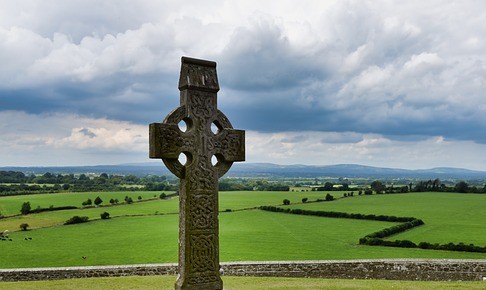
In the Celtic lands, the early saints were known not just for their preaching, but for the lives they lived. Their words resonated because they were spoken from a place of deep spiritual practice and personal sacrifice. St. Columba, who brought Christianity to Scotland, did not demand authority; he lived it, carrying within him a presence that transformed communities. St. Brigid’s authority was found in her acts of mercy, her radical hospitality, and her unwavering faith. St. Aidan, walking the shores of Lindisfarne, did not command the respect of kings through wealth or status, but through his humility and service to the poor.
The authority of these saints was not one of control, coercion, or dominance. It was the quiet power of those who are utterly convinced of God’s presence in their lives and who reflect that truth through every action, every moment of generosity, every word spoken in wisdom. It was an authority not of force, but of attraction—of drawing people towards truth simply by being truth in action.
The Source of True Authority
What set these saints apart, and what set Jesus apart before them, was that their authority did not come from status or external validation. In the ancient world, religious teachers were expected to cite sources—to stand upon the authority of others who had come before them. But Jesus did something different. He spoke from direct experience: “You have heard it said… but I say to you” (Matthew 5:21-22). His authority was not second-hand; it was the authority of one who knew the heart of the Father.
Similarly, the saints who carried the Gospel into wild and rugged lands did so not because they had been given permission by earthly rulers, but because they were led by the Spirit. Their authority came from an inner certainty—a deep knowing that they belonged to God, that the words they spoke were true, and that their lives had to be shaped in accordance with that truth.
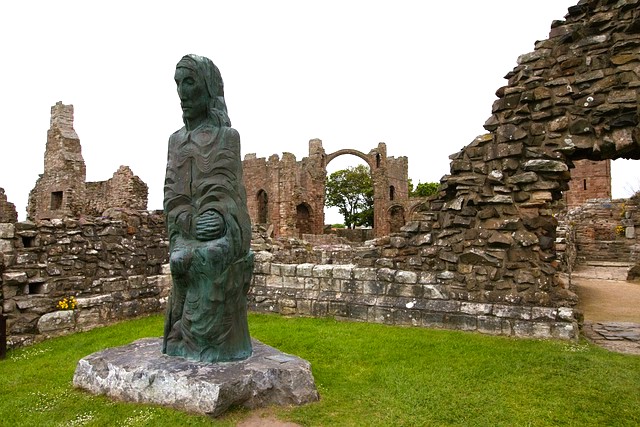
In the Celtic Christian tradition, this certainty was cultivated through a life of prayer, solitude, service, and deep communion with creation. Authority was not granted by an institution; it was recognized by those who saw holiness in action. This is why kings would seek counsel from wandering hermits, why warriors laid down their weapons at the words of a barefoot monk, why entire communities were drawn to the simple presence of those who carried light in their hearts.
Living With Spiritual Authority Today
What does it mean for us to live with this kind of authority? How do we, like Jesus and the saints, speak and act in a way that reflects the truth of God, not as a set of rules, but as a lived experience?
1. Know Whose You Are
True authority begins with identity. Jesus knew He was the Son of God. The saints knew they were beloved of God. When we root ourselves in the reality that we are created, known, and loved by God, we do not need to seek external validation. Our words and actions flow from a place of deep belonging.
2. Align Your Life with Your Faith
The saints were not just teachers; they were living examples. Their words had power because they were backed by a life of integrity. If we wish to speak with true authority, we must first examine whether our lives reflect the truths we claim to believe. Do we practice kindness? Do we seek justice? Do we embody the mercy and love of Christ in our daily interactions?
3. Speak from Experience, Not Just Knowledge
Authority comes from lived truth. We do not need to be scholars to speak of the goodness of God—we need only to know Him. Just as the Celtic monks learned about God through prayer, pilgrimage, and nature, we too deepen our authority by immersing ourselves in God’s presence, through scripture, through creation, through stillness and service.
4. Cultivate Humility and Compassion
The greatest spiritual leaders were also the most humble. Jesus washed the feet of His disciples. St. Aidan refused to ride on horseback, choosing instead to walk among the people. St. Brigid saw Christ in the poor and welcomed all to her table. True authority is not about elevating oneself; it is about lifting others.
5. Trust in the Power of Presence
Sometimes, the greatest authority is found in silence, in stillness, in simply being. The Celtic saints understood this well. A hermit on a remote island, a pilgrim walking the land, a monk tending the fire—all carried an authority that came from their closeness with God. We too can cultivate this by making space for quiet, by creating moments where we listen more than we speak, where we allow the presence of God to shape us from within.
Conclusion: Becoming Beacons of Light

We live in an age where many claim authority but few embody it. The world is full of voices shouting for attention, yet it is the quiet, steady presence of those who walk with God that truly changes lives. If we wish to live with spiritual authority, we must return to the ancient ways: walking in step with Christ, aligning our words with our actions, and allowing our lives to be a beacon of truth, not because we demand to be heard, but because we live in a way that speaks for itself.
Like the saints before us, we are called to be living reflections of divine wisdom. May we walk our walk, speak our truth, and let the light of Christ shine through us in every moment of our being.

 Ancient Whispers
Leave a comment