There is something about the number forty. It echoes through scripture, through history, and through the practices of those who sought to walk closely with God. In early Celtic Christianity, forty days was not just a measure of time—it was a threshold, a journey, a sacred container for transformation.
Lent, the forty-day period of fasting and preparation before Easter, is the most widely known expression of this sacred number in the Christian year. But long before the structured observance of Lent, early Celtic saints were immersing themselves in forty-day fasts to prepare spiritually, often before establishing a new monastery, undertaking a mission, or seeking divine clarity. The pattern is undeniable: when something significant was about to begin, the number forty marked the transition.
Forty in Scripture: The Pattern of Preparation

Biblically, the number forty signifies a period of testing, refinement, and preparation. We see it in the great flood (Genesis 7:12), where the earth was washed clean for forty days and nights. We see it in the journey of Moses, who fasted forty days on Mount Sinai before receiving the law (Exodus 34:28), and in the wandering of Israel for forty years before entering the Promised Land (Numbers 14:33-34).
Most relevant to Lent, we see Jesus spending forty days in the wilderness, fasting and resisting temptation before beginning His ministry (Matthew 4:1-11). Forty, then, is not just a number—it is a spiritual blueprint. It represents a process of stepping away from the familiar, being refined through challenge, and emerging transformed.
The Celtic Christian Approach: Forty as a Sacred Journey
For the Celtic saints, forty days was a way of attuning to divine rhythms. Before founding a monastery, a saint might fast and pray for forty days, sanctifying the land and their purpose. St. Patrick is said to have spent forty days fasting on Croagh Patrick, a mountain in Ireland, in deep intercession for the people. St. Columba, before his mission to Scotland, reportedly followed a similar path of retreat and preparation.

This was not mere ritual—it was an embodied way of entering into sacred work. These saints understood that transformation does not happen overnight. It requires a threshold, a liminal space, where the old is released and the new is welcomed. They embraced the wilderness not as exile, but as encounter.
Lent as a Time of Preparation and Awakening
What does this mean for us? In our modern world, Lent is often reduced to giving up chocolate or social media. But if we look at it through the eyes of the early saints, Lent is something much deeper. It is an invitation into forty days of spiritual alignment.
Like the saints before us, we can use this time to prepare for something new. What is being built in your life right now? What monastery—whether physical, emotional, or spiritual—needs to be established within you? Perhaps this Lent is your own threshold, your own sacred forty, where something deep within you is being readied for resurrection.
The Transformational Power of the Forty-Day Pattern
Beyond Lent, the forty-day rhythm is a tool for deep change. Many who have undertaken spiritual disciplines, personal development journeys, or deep inner work have found that forty days is long enough to shift patterns, to create new habits, to experience genuine transformation. There is something mysterious yet tangible in this cycle, something woven into the fabric of how we grow.
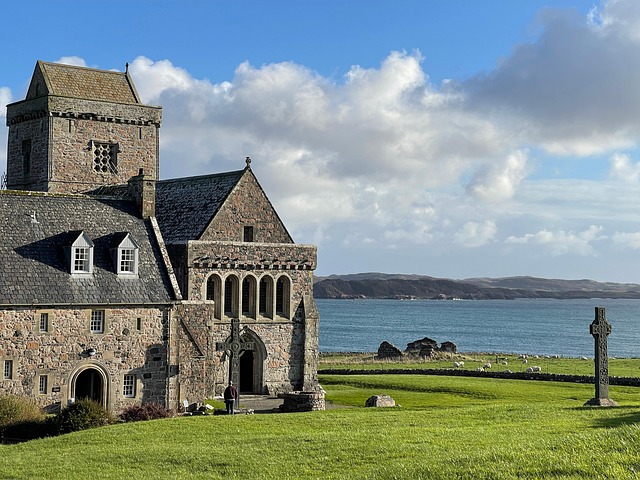
Perhaps that is why the early Celtic Christians embraced it so fully. They understood that deep work takes time, that sacred preparation is necessary, and that when God calls us into a new season, the threshold often looks like wilderness before it looks like home.
Your Own Sacred Forty
As we step into Lent, may we do so not as an obligation, but as an opportunity. The Celtic saints remind us that forty days is not just about deprivation; it is about preparation. It is a time to fast from distractions and feast on presence. A time to clear the ground for whatever sacred work is being built within us.
What is your wilderness calling you to this season? And when Easter dawns, what will you have made room to receive?
The forty days begin. Let us walk them well.
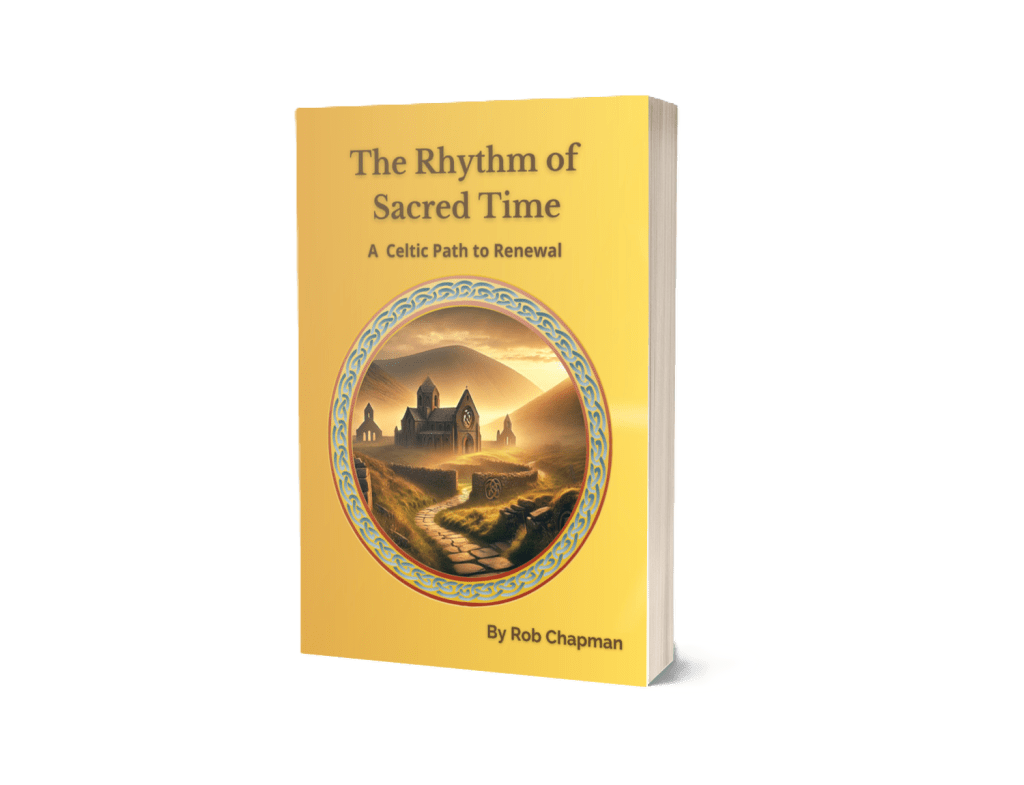
As we have seen, the number 40 holds deep significance in Celtic Christianity and the rhythms of sacred time—a number of transformation, waiting, and renewal. In The Rhythm of Sacred Time, discover how the three Celtic Lents offer a powerful way to reconnect with ancient wisdom and bring balance, reflection, and deeper meaning into your life. If you’re ready to embrace the sacred rhythms that shaped the early monks and mystics, follow the link below and step into this journey today!

 Ancient Whispers
Leave a comment