There are moments in life when the veil between worlds seems to thin, and something beyond us stirs within. In the traditions of early Celtic Christianity, such moments were not just chance occurrences, but sacred visitations—subtle yet powerful encounters with the divine. The concept of anointing, often associated with physical oil and ceremonial rites, took on a deeper, more mystical meaning in the Celtic Christian tradition. Anointing was not merely an external act but an inner awakening, a divine nudge, an illumination of the soul.
Divine Nudges and Inspirations
To the early Celtic Christians, the presence of God was woven into the fabric of everyday life. The Creator spoke not only through scripture and sacraments but through intuition, dreams, nature, and the movement of the spirit in the heart of the seeker. This understanding of anointing was fluid and intimate—a sign of God’s guiding hand leading the faithful beyond the known into the unfolding mystery of divine will.
These divine nudges often came unexpectedly, as a stirring within the soul or an undeniable urge to take a particular path. This was seen as a form of anointing, an inner consecration by the Spirit rather than by human hands. For example:
- A wandering monk might suddenly feel an irresistible pull to journey to an unfamiliar land, trusting that the call came from God’s direction.
- A seeker lost in prayer might receive an overwhelming sense of clarity, guiding them toward a decision they had struggled with for years.
- A simple laborer might feel a profound peace while walking through the morning mist, as if God Himself whispered encouragement through the wind.
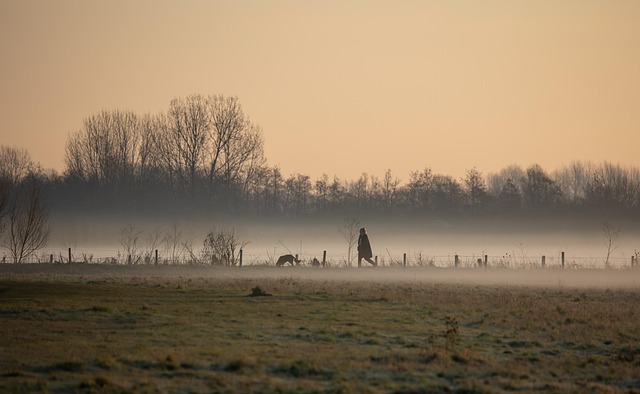
These were moments of divine appointment—subtle but profound anointings that aligned the soul with God’s purpose.
Dreams and Visions: The Hidden Oil of Anointing
The Celts had a deep reverence for dreams and visions, believing that God often communicated through them. In scripture, we see similar instances where God revealed His will through dreams, such as when Joseph was warned to flee to Egypt with Mary and Jesus (Matthew 2:13) or when Peter received his vision of inclusion for the Gentiles (Acts 10:9-16).
For the Celtic saints, these dream-messages were no less sacred. St. Patrick, the great missionary to Ireland, was called back to the very land where he had been enslaved because of a dream. In his Confessio, he describes how he heard the voice of the Irish calling him to return, a summons he understood as the Spirit’s anointing.

Likewise, St. Columba was said to have received visions that shaped his monastic journeys, offering guidance in times of uncertainty. Such moments of divine inspiration were seen as a kind of anointing—signs that God was directly imparting wisdom and purpose.
Prophetic Guidance: The Living Word at Work
In early Celtic Christianity, prophecy was not just about foretelling the future but about discerning the voice of God in the present. Certain individuals were seen as particularly attuned to divine messages, their words carrying the weight of sacred insight. This prophetic anointing was experienced not in grand pronouncements but in words that resonated with truth and clarity, often revealing the hidden depths of a person’s journey.
This echoes the wisdom found in scripture:
“You have an anointing from the Holy One, and all of you know the truth.” (1 John 2:20)
The idea that anointing grants deeper perception aligns with the Celtic belief that those who are in tune with God’s Spirit can see beyond the surface of things. The words of a spiritually attuned soul could serve as a beacon, calling others toward deeper faith, healing, or understanding.
The Natural World as a Sacred Guide
Celtic spirituality never separated the divine from the created world. The landscape itself was seen as alive with God’s presence, a sacred book through which wisdom was continually revealed. A sudden shift in the wind, the call of a bird, the rolling of distant thunder—each of these could serve as a form of divine communication, a subtle anointing that called one’s attention toward the eternal.

This understanding mirrors biblical wisdom:
“The heavens declare the glory of God; the skies proclaim the work of his hands.” (Psalm 19:1)
For the Celtic Christian, anointing was often found in the quiet moments of deep attentiveness, when God’s voice was sensed in the whisper of creation. The rustling of leaves could be a sign to pause and listen; the movement of the tides could be a reminder of the ever-present flow of divine will.
Thin Places: Where Heaven and Earth Meet
In Celtic tradition, there is the concept of thin places—locations where the boundary between heaven and earth seems to dissolve, where the divine feels more immediate. These were often places of pilgrimage, sacred wells, monastic settlements, or wild, untamed landscapes where one could feel the breath of the eternal.
Such places were often sites of profound spiritual encounters, where one might experience an anointing of peace, revelation, or divine calling. The transfiguration of Christ (Luke 9:28-36) is a biblical example of such a moment—a mountaintop experience where the divine broke through the veil of the ordinary.
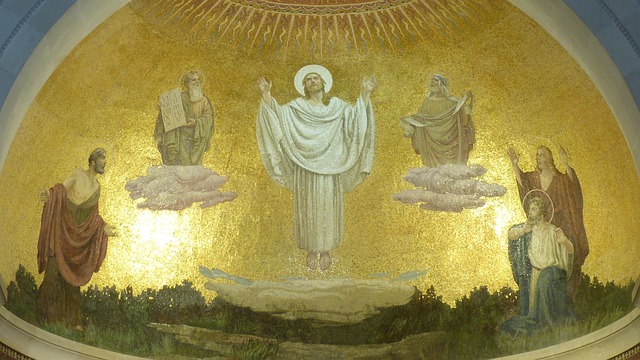
For those walking the ancient paths of faith, seeking such places was not about superstition, but about tuning the soul to recognize and receive God’s presence in unexpected ways.
A Living Anointing: Walking in the Spirit’s Flow
For the early Celtic Christians, anointing was not a one-time event, nor was it confined to the pouring of oil upon the head. It was a continuous unfolding, a life lived in step with the whispers and movements of God. It was about embracing the unknown, walking the path of faith with eyes open to divine surprises.
Jesus Himself embodies this truth when He proclaims:
“The Spirit of the Lord is upon me, because he has anointed me to proclaim good news to the poor.” (Luke 4:18)
This same Spirit is upon us, not in ways that always fit within structured rituals, but in the quiet stirrings of the heart, the sudden knowing that changes our course, the voice that calls us deeper into God’s embrace.
Receiving the Anointing of the Everyday
What if anointing is not reserved for the chosen few but is part of the fabric of life itself? What if the next time you feel a quiet urging in your spirit, it is God whispering you forward? What if a moment of unexpected peace is a brush of divine oil upon your soul?
Early Celtic Christianity teaches us that God is not distant, nor confined to rituals alone. The Spirit anoints in dreams, in prophetic words, in sacred landscapes, in deep inner callings. Life itself becomes a sacrament, an unfolding revelation of God’s presence at every turn.

So as you walk your path today, may you be open to the anointing beyond oil—the anointing of mystery, of surrender, of divine invitation. And may you find, waiting beyond the edge of control, the living presence of the One who guides all things.

 Ancient Whispers
Leave a comment