There is a question that echoes through the corridors of human existence: Why is there something, instead of nothing? It is a question older than time itself, a question we may not always ask with words but feel in the depths of our hearts. Before there was time, before there was space, before even the first atom hummed into existence, there was nothing—an absence so vast and complete that it defies imagination. And yet, here we are. Conscious. Breathing. Asking questions. Wondering about what lies beyond.
For me, this question is not just an abstract thought experiment. It is a doorway into the divine. When I stand at the threshold of this mystery, when I let the enormity of it settle into my being, I find myself unable to deny the existence of something beyond. Some call it the Source. Others call it the Universe. I choose to call it God.
The Universal Mystery
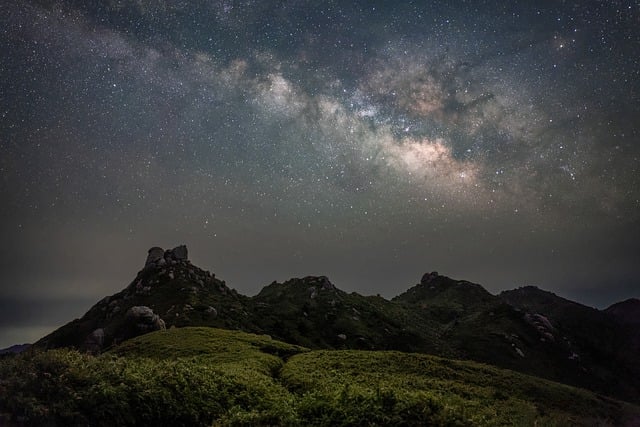
When I speak of God, I don’t mean a narrow, exclusive concept confined to one tradition or belief system. The God I sense is vast, encompassing, and infinitely creative. This is the same God described in the Bible, the God who spoke creation into being with the words “Let there be light” (Genesis 1:3). But this God is not limited to the pages of one sacred text or the rituals of one religion. This God is the heartbeat behind all life, the breath within all existence, and the spark of wonder that unites humanity across time and culture.
In Celtic Christianity, there is a beautiful way of relating to God—not as a distant deity sitting on a throne, but as an intimate presence that flows through all of creation. The Celtic saints saw God in the rivers and the hills, in the rising sun and the rustling leaves. They recognized that the divine is not just “out there” but also “in here,” within each of us. For them, the world was a thin place, where the veil between heaven and earth is almost transparent, and the presence of God can be felt everywhere.
This way of seeing resonates deeply with me. It reminds me that the mystery at the heart of the universe is not something to be solved, but something to be experienced. God is the unnameable mystery that gives rise to everything we see and everything we are. And yet, this God is also knowable, in the way that a melody can be felt in your chest or a warm fire can be sensed on your skin.
The God Beyond Names
I often think about the many names we give to God. Yahweh. Allah. Brahman. The Great Spirit. Each of these names reflects a facet of the divine mystery, shaped by the cultural lens through which it is viewed. And yet, none of these names can fully capture the essence of God. How could they? To name the infinite is to place limits on it, and God is limitless.
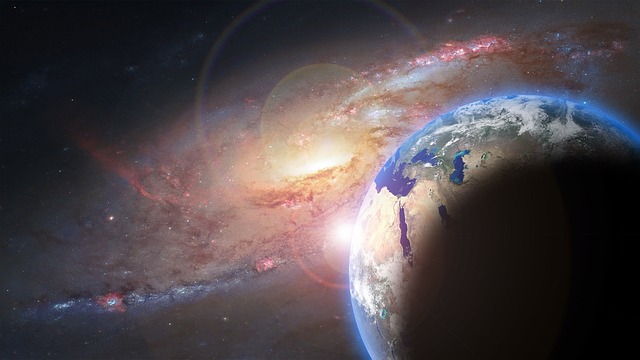
Even within Christianity, the Bible itself suggests that God’s name is beyond human comprehension. When Moses asks God for a name in the story of the burning bush, God responds, “I AM WHO I AM” (Exodus 3:14). It’s not a name in the conventional sense; it’s a declaration of being, a reminder that God simply is. This aligns with the way I see God: not as an entity to be defined, but as the very ground of existence itself.
Finding God in the Mystery
I’ve often found that people are uncomfortable with mystery. We like certainty, clarity, and answers. But the most profound truths are rarely simple or straightforward. They invite us to sit with the unknown, to linger in the tension between what we can explain and what we cannot. For me, choosing to call this mystery “God” is not about having all the answers. It’s about acknowledging that there is something greater than myself, something that holds all of existence together.
This is not a threatening God. This is not a God who demands allegiance through fear or control. This is a God who invites, who whispers through the rustling leaves and the stars scattered across the night sky: Come and see. This God is not a puzzle to be solved but a presence to be encountered. In the words of the Celtic poet John O’Donohue, “The Divine is not something you achieve; it is the presence that is already within you, the awareness that dwells in the depths of your soul.”
God in All Faiths
Some might ask: How can the God of the Bible be the same God behind all faiths and religions? For me, the answer lies in the universality of the divine. Each faith tradition is like a stained-glass window, refracting the light of God in its own unique way. The light is the same, but the colors and patterns differ. Christianity, with its emphasis on love, grace, and redemption, is one way to experience that light. But it is not the only way.
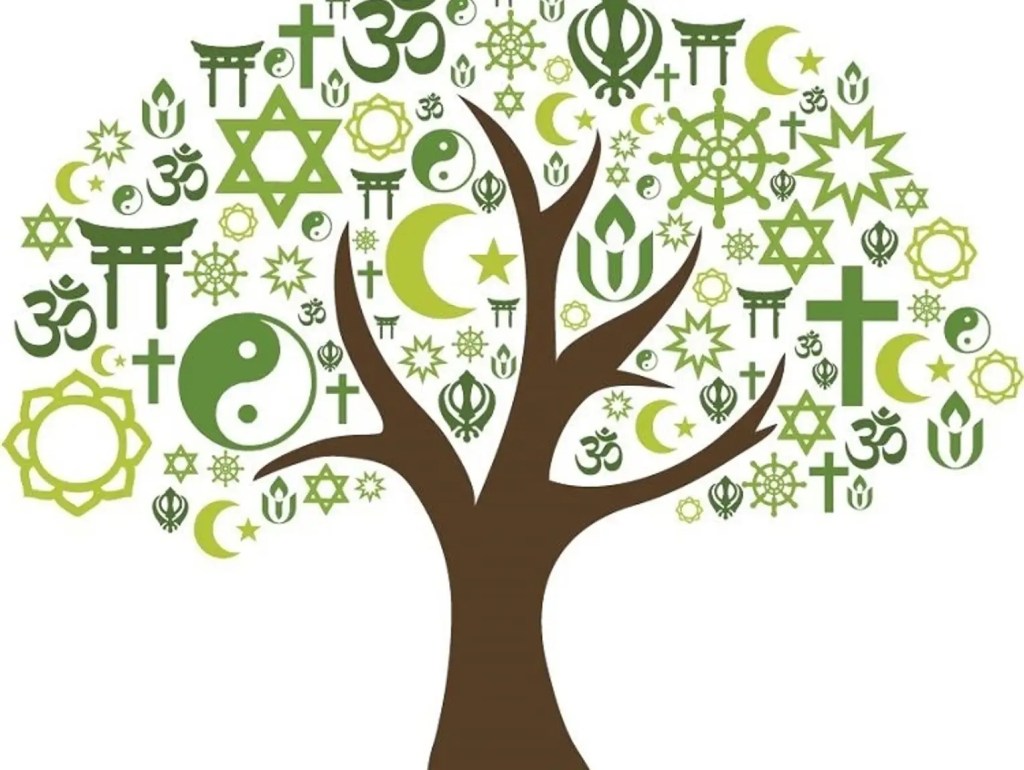
This doesn’t mean all paths are the same or interchangeable. Each tradition offers its own wisdom and challenges. But at their core, they all point to the same fundamental reality: that there is more to life than meets the eye, that there is a Source from which all things flow. In the Bible, this is expressed in passages like Acts 17:28, which says, “For in him we live and move and have our being.” To me, this verse beautifully captures the universality of God. Whether you are aware of it or not, you are already immersed in the divine.
An Invitation
So why do I call this mystery “God”? Because it feels right. Because it resonates with the stories of Jesus, whose life and teachings reveal a God of infinite compassion and boundless love. Because it connects me to the rich tradition of Celtic Christianity, which sees the world as a sacred space where God is present in every moment. And because it reminds me that I am part of something far greater than myself.
But my choice to call it “God” is just that—a choice. I’m not here to tell you what you should believe or what name you should use. My hope is simply to invite you to wonder. To open the door to mystery and let the vastness of it fill your heart. Whether you call it God, or Source, or Mystery, or simply Life, the truth remains: something beyond understanding gave rise to everything we know. And that something invites you to draw near, to listen, to feel, and to trust.

As the Psalmist wrote, “Be still, and know that I am God” (Psalm 46:10). In the stillness, in the wondering, in the unanswerable question of why there is something instead of nothing, there is an invitation. Will you step through the door?
Feeling lost, stuck or disillusioned on your path?
Take a look at
Walking Together
 Ancient Whispers
Leave a comment