Lord,
Teach me to see those in need and to respond with compassion.
Help me to use the resources You’ve given me—whether time, talent, or treasure—
To invest in Your kingdom and serve others.
Guard my heart against indifference,
And guide me to live with generosity and purpose.
May my life reflect Your love,
And may I build treasures in heaven through acts of grace and kindness.
Amen.
The prayer above is a powerful reflection on living a life of compassion, generosity, and purpose. It calls us to open our hearts to others, to use the resources entrusted to us wisely, and to reflect God’s love in how we live. Through the lens of Celtic Christianity, this prayer becomes not just a set of words but a way of life, rooted in the sacred rhythms of love, service, and connection.
Seeing Those in Need
“Teach me to see those in need and to respond with compassion.”

In the Gospels, Jesus often noticed the unnoticed—the leper, the outcast, the widow. This ability to see others deeply and respond with love is central to the Christian journey. In Celtic Christianity, this call to compassion is mirrored in the lives of saints like St. Brigid, who was known for her extraordinary generosity. She gave freely to the poor, often at great personal cost, believing that each act of kindness brought her closer to God.
To see others as Jesus did requires a shift in perspective. It means slowing down, being present, and cultivating awareness. When we attune our hearts to the needs of others, we become participants in God’s work of healing and restoration.
Using Our God-Given Resources
“Help me to use the resources You’ve given me—whether time, talent, or treasure—to invest in Your kingdom and serve others.”
This line reflects the biblical call to stewardship. In Matthew 25:14-30, Jesus tells the parable of the talents, reminding us that the gifts we are given are meant to be used for God’s purposes. Celtic Christianity adds a unique perspective, emphasizing the interconnectedness of all life and the sacredness of every resource we possess.

The Celts viewed everything—time, skills, material wealth—as a gift from God, to be shared freely and joyfully. They understood that our “treasure” is not limited to wealth but includes our presence, our creativity, and our ability to serve. Following this example, we can ask: How can I use my resources to reflect God’s love and create moments of grace in the lives of others?
Guarding Against Indifference
“Guard my heart against indifference.”
Indifference can be a quiet but powerful force, lulling us into inaction. It is the opposite of the love and compassion Jesus calls us to embody. In Luke 10:25-37, the parable of the Good Samaritan confronts us with the consequences of indifference and challenges us to act as neighbors to those in need.

The Celtic Christian tradition reminds us that our hearts must remain tender and open, even when faced with the overwhelming pain of the world. By grounding ourselves in prayer and community, we can guard against the apathy that tempts us to turn away from the suffering of others.
Living with Generosity and Purpose
“Guide me to live with generosity and purpose.”
Generosity in Celtic Christianity is not just about giving materially but about living a life of intentionality and service. St. Columba, for example, left his homeland to spread the Gospel, building monasteries that became centers of learning, hospitality, and spiritual renewal. His life reminds us that generosity often requires sacrifice and courage.
To live with purpose means aligning our daily actions with the values of God’s kingdom: love, justice, mercy, and peace. It involves asking, How can my choices today contribute to a world where God’s love is more fully known?
Reflecting God’s Love
“May my life reflect Your love.”
Jesus said, “By this everyone will know that you are my disciples, if you love one another” (John 13:35). Reflecting God’s love is the heart of the Christian life. In Celtic Christianity, this love was expressed in tangible, everyday ways—caring for the earth, welcoming strangers, and building communities of mutual support.

Our lives become a reflection of God’s love when we choose kindness over judgment, humility over pride, and connection over isolation. Each act of love, no matter how small, creates ripples that extend far beyond what we can see.
Building Treasures in Heaven
“May I build treasures in heaven through acts of grace and kindness.”
This echoes Jesus’ words in Matthew 6:20: “Store up for yourselves treasures in heaven, where moths and vermin do not destroy, and where thieves do not break in and steal.” Building treasures in heaven is about cultivating a life that honors God’s values—one rooted in love, generosity, and grace.

The Celtic Christian emphasis on the sacredness of ordinary life reminds us that every act of grace matters. Sharing a meal, comforting a friend, or standing up for justice are all ways to build these treasures.
Creating a Sacred Rhythm
Living out this prayer requires developing what the Celts called a sacred rhythm—a pattern of life that integrates prayer, work, and service. Here are some practices to help align your life with its themes:
- Daily Prayer: Begin each day by asking God to open your eyes to the needs around you. Simple prayers, like those used by the Celts, can keep your heart attuned to God’s presence.
- Intentional Giving: Reflect on how you can use your time, talents, and resources to serve others. Whether volunteering, donating, or mentoring, find ways to invest in God’s kingdom.
- Practicing Hospitality: Welcome others into your life with open arms. This could mean sharing a meal, offering a listening ear, or creating space for someone who feels alone.
- Cultivating Awareness: Slow down and notice the people and moments around you. Who needs encouragement? Where can you bring light?
- Acts of Gratitude: Like the Celts, see every moment as an opportunity to worship. Thank God for the resources you have and the opportunities to share them.
Conclusion: A Life Transformed
The prayer you shared is not just a request but a roadmap for transformation. It invites us to see the world as Jesus did, to live with intentionality and compassion, and to reflect God’s love in every interaction. By embracing this way of life, we become co-creators of “thin places”—moments where heaven and earth touch, and God’s kingdom is made visible.
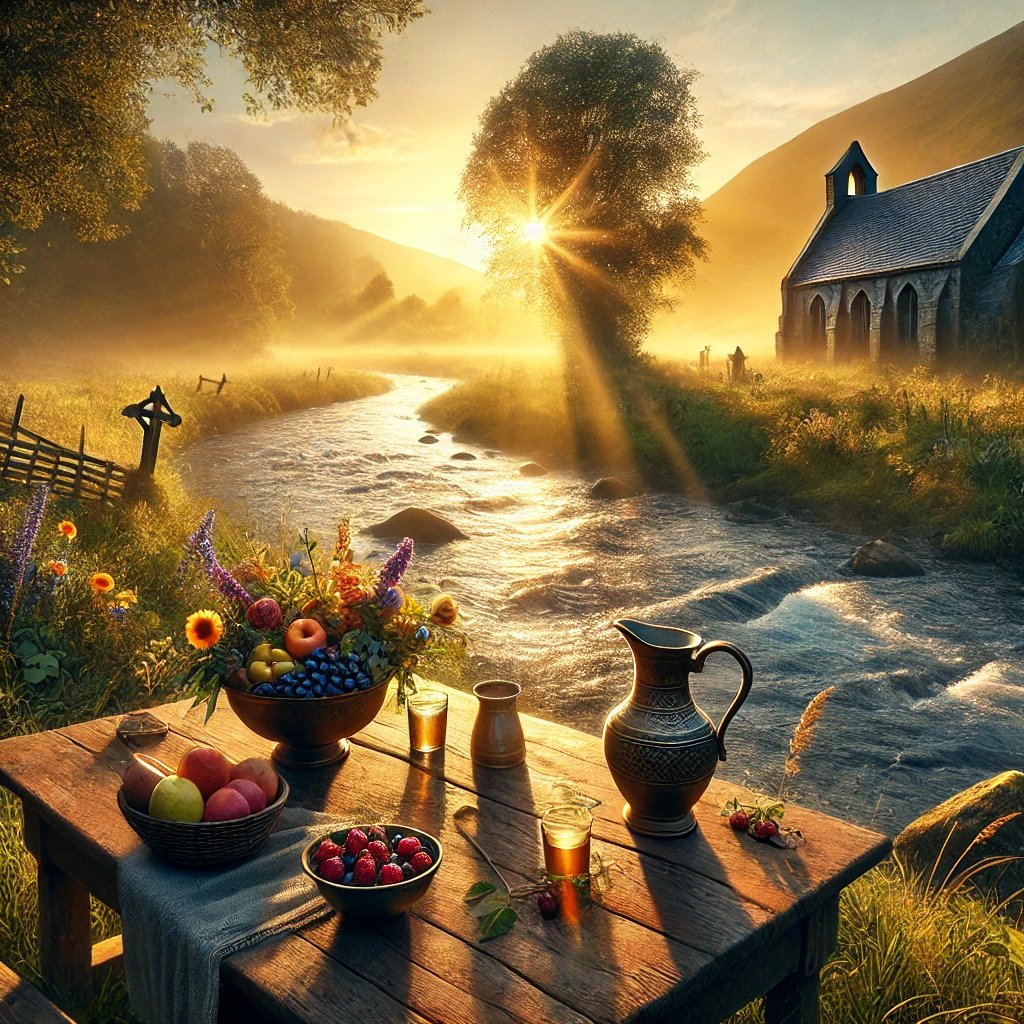
As we go about our days, may this prayer guide our hearts and actions, reminding us that every choice has the potential to bring light, hope, and love into the world. In the words of St. Brigid, “I would like an abundance of peace. I would like full vessels of charity. I would like rich treasures of mercy.” May we live in such a way that these treasures flow through us to others.


 Ancient Whispers
Leave a comment