Discovering Hope and Renewal Beyond the Ashes
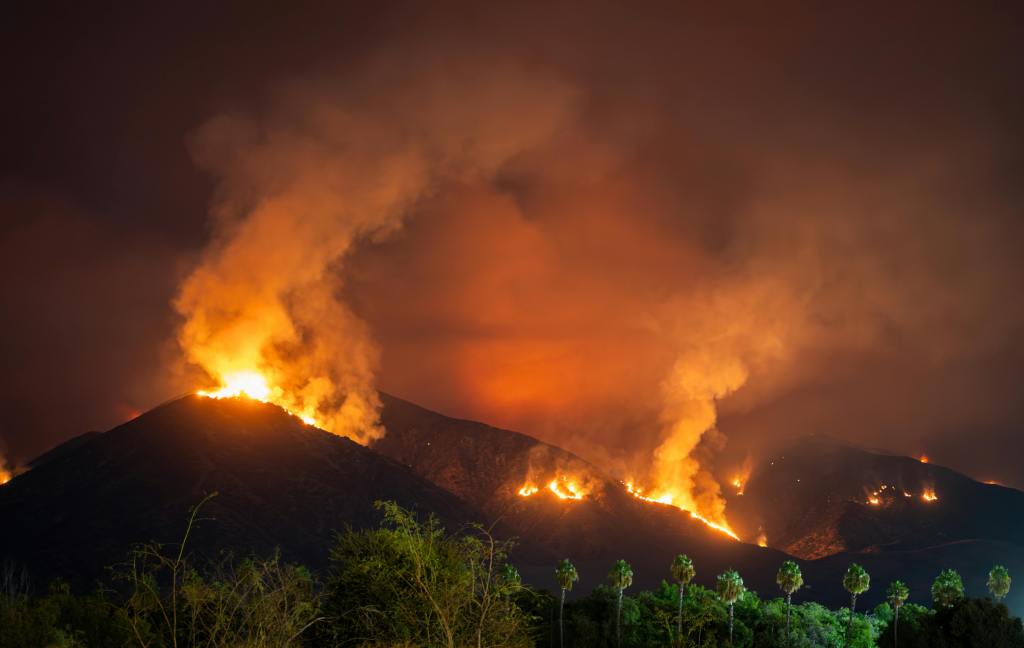
When disaster strikes, like the recent fires sweeping through Los Angeles, the pain and suffering can feel overwhelming. Homes reduced to ash, cherished possessions gone in an instant, and lives forever altered by the unrelenting force of nature. In these moments, many ask, Why does God allow such things to happen?
It’s a natural question, born out of pain and confusion. But perhaps the answer lies not in blaming God or labeling the fire as evil, but in looking deeper into the truths that underlie life itself.
Evil Isn’t Always What We Think It Is
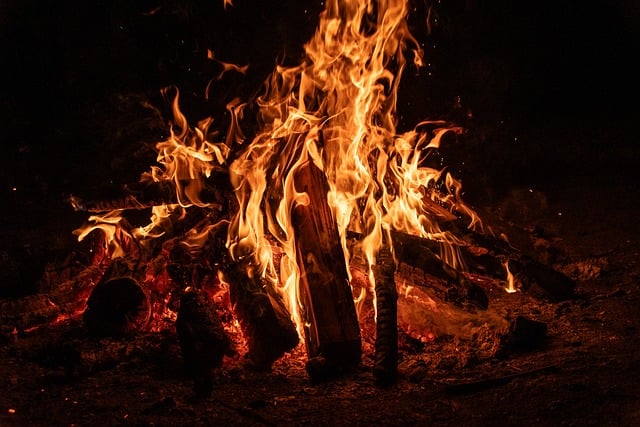
When we think of evil, we often imagine malicious intent—a force actively seeking to harm. But what about forces of nature, like fire? Fire is neither good nor evil; it simply exists, doing what fire does. It consumes, it burns, it destroys—but it also clears the way for renewal, for new growth. Forests rely on fire to thrive, as flames clear out the old to make room for the new.
So, why do we label such events as evil? Often, it is because of the pain and loss they bring. This reaction reveals more about our attachments and perspective than the event itself. We grieve for what we lose, but what if the suffering we experience is an invitation to shift our focus from the temporary to the eternal?
Why Does God Allow Evil?
Jesus’ words in the Sermon on the Mount echo through the centuries: “Do not store up for yourselves treasures on earth, where moths and vermin destroy, and where thieves break in and steal. But store up for yourselves treasures in heaven, where moths and vermin do not destroy, and where thieves do not break in and steal. For where your treasure is, there your heart will be also” (Matthew 6:19-21).
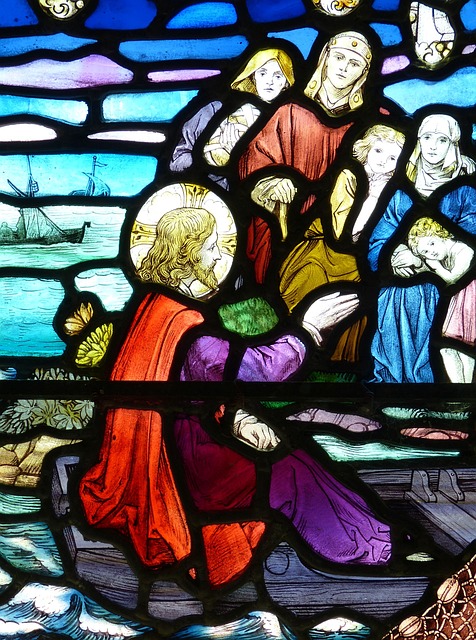
God allows what we perceive as evil because the world operates within the framework of free will and natural law. Fire, for example, is part of the natural order. It is not sent to punish or harm but to play its role in the cycle of creation and renewal. The pain we feel in such moments often stems from our deep attachment to the material—to possessions, to comfort, to the illusion of permanence. When these attachments are ripped away, the suffering can feel unbearable. Yet, these moments can also reveal an opportunity to grow closer to God and what truly matters.
Free Will and the Nature of Love
A world without the possibility of evil would also be a world without free will. Love, compassion, and faith—the very qualities that make life meaningful—require the ability to choose. God does not impose goodness upon us; He invites us to live in alignment with Him. This freedom, however, means that humans can make choices that lead to harm, imbalance, and what we perceive as evil.
Evil, then, is not a creation of God but a distortion of the good. It arises when the harmony of creation is disrupted, whether through human actions or natural forces. Even in these moments, God’s presence is not absent but is actively working to bring renewal, healing, and transformation.
Evil as a Teacher
What if evil, rather than being a force to be eradicated, is a teacher? Fire, though destructive, reminds us of life’s impermanence, urging us to focus on what truly matters. In the face of loss, we are confronted with the question: What is my treasure? What am I building my life upon?

When Jesus spoke of storing up treasures in heaven, He wasn’t offering a platitude. He was pointing to a radical way of living—a life free from the tyranny of fear, of attachment, of clinging to what cannot last. He was inviting us into a deeper trust, a greater freedom, and an unshakable hope.
Finding Renewal Amid Ashes
After a fire, the landscape can look like a wasteland—blackened trees, scorched earth, and the absence of life. But given time, something remarkable happens. Shoots of green begin to emerge, flowers bloom, and the ecosystem finds its balance once again. The fire, though devastating, clears the way for renewal.
Our lives are no different. When we experience loss, it can feel like our world has been reduced to ashes. Yet, within those ashes lies the seed of renewal. There is an opportunity to rebuild, to refocus, and to discover a deeper sense of purpose and meaning.
Trusting in God’s Plan
Jesus’ teachings are full of invitations to trust. “Do not worry about tomorrow, for tomorrow will worry about itself” (Matthew 6:34). “Come to me, all you who are weary and burdened, and I will give you rest” (Matthew 11:28). These words remind us that even in the face of loss, we are not alone. The God who created the universe walks with us through every trial, offering strength, comfort, and peace.

Trust doesn’t mean we won’t feel pain or grief. It doesn’t mean we won’t face hard questions or moments of doubt. But it does mean we can lean into the eternal arms of a love that never fails, finding the courage to take one step at a time, even when the path ahead feels uncertain.
Evil and the Bigger Picture
The Apostle Paul reminds us in Romans 8:28: “And we know that in all things God works for the good of those who love him, who have been called according to his purpose.” This doesn’t mean every event is good, but that God can bring good even out of the deepest pain. What we perceive as evil can become a pathway to renewal, a chance to grow in faith, compassion, and love.
Evil challenges us to look beyond what we see, to trust in the unseen work of God. It invites us to participate in His plan, bringing light to dark places and hope to despairing hearts. In this way, even the most painful experiences can become part of the greater story of redemption.
A Message of Hope

If you are facing loss today, know this: Your pain is real, but it is not the end of your story. There is hope. There is renewal. There is a treasure beyond the ashes that no fire can destroy.
Take heart in the words of the Apostle Paul: “Therefore we do not lose heart. Though outwardly we are wasting away, yet inwardly we are being renewed day by day. For our light and momentary troubles are achieving for us an eternal glory that far outweighs them all. So we fix our eyes not on what is seen, but on what is unseen, since what is seen is temporary, but what is unseen is eternal” (2 Corinthians 4:16-18).
You are not alone in this journey. The God who walks with you through the fire also leads you to the green pastures beyond it. The treasures of heaven are waiting, not just in the future but here and now, in every act of love, in every moment of trust, and in every step toward renewal.
Conclusion: Rising from the Ashes
The existence of evil in the world challenges us to look deeper. It pushes us to ask hard questions about what we value and where we place our trust. It reminds us that while the forces of nature and the actions of others can bring pain, they cannot destroy the treasures we store in heaven.
The fires of life can be devastating, but they can also be transformative. They remind us of what truly matters and invite us to let go of what we cannot keep. They challenge us to store our treasures in heaven, to live with open hearts, and to trust in the eternal love that holds all things together.

So, let the fire teach you. Let it refine you. And as you rise from the ashes, may you discover the treasures that no fire can destroy. May you find hope, renewal, and a peace that surpasses all understanding.
Listen:

 Ancient Whispers
Leave a comment