When we think of God, the images we carry often shape our connection to the divine. For centuries, people have visualized God in ways that reflect their culture and personal understanding: a powerful king on a throne, a stern judge, or a distant, unapproachable figure. Yet, at the heart of the sacred mystery lies a deeper truth: God is not a solitary being but a relationship, a communion of love and connection. This understanding invites us to move beyond static images and step into the dynamic, living experience of the divine.
In Christian theology, the concept of God as Trinity—Father, Son, and Holy Spirit—offers a profound vision of God as relationship. It speaks of a divine dance of love, where each person of the Trinity is distinct yet fully united in perfect harmony. This idea of God as communion not only reshapes our understanding of the divine but also transforms how we live, connect, and grow.
Moving Beyond Limiting Images
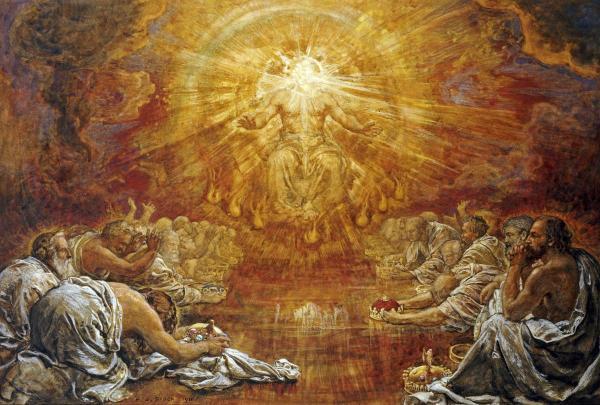
For many, traditional images of God—an old white man on a throne, ruling with authority—feel distant or inadequate. Such images often stem from cultural contexts that prioritize power, control, and hierarchy. While these representations may offer comfort or structure, they can also limit our ability to experience the fullness of God.
The Celtic Christian tradition provides an alternative lens. It emphasizes God as immanent and present in all things, not confined to human-made images or structures. For the Celts, God is found in the flowing river, the rustling leaves, the warmth of the hearth, and the bonds of community. This relational understanding of God resonates deeply with the idea that God is communion—a living, dynamic presence that cannot be reduced to a singular form.
God as Communion: The Trinity as a Model for Life

The Christian understanding of the Trinity reveals God as a relationship of love. The Father, Son, and Holy Spirit exist in perfect unity, each distinct yet inseparable from the others. This divine relationship is not static but dynamic, characterized by giving, receiving, and sharing.
This relational nature of God has profound implications for how we live. If God is communion, then to know God is to participate in relationship—with God, with others, and with creation. It challenges us to move beyond isolation and individualism and to embrace connection, collaboration, and community.
- Living in Connection:
Just as the persons of the Trinity are interconnected, so are we called to live in deep connection with one another. Relationships become sacred spaces where God’s presence is revealed, and we learn to embody the divine love that binds all things together. - The Flow of Love:
The Trinity shows us that love is not a possession but a flow—a giving and receiving that reflects the very nature of God. When we engage in acts of kindness, forgiveness, and generosity, we participate in this divine flow. - Unity in Diversity:
The distinctness of the Father, Son, and Holy Spirit reminds us that unity does not mean uniformity. In our relationships and communities, we can celebrate diversity while remaining united in love and purpose.
Experiencing God in the Everyday

If God is relationship, then every moment of connection becomes an opportunity to encounter the divine. Celtic Christianity, with its emphasis on the sacredness of everyday life, teaches us to see God not as distant but as present in the ordinary.
- In Creation:
The natural world reflects the relational nature of God. The cycles of life, the interplay of ecosystems, and the beauty of interconnectedness all point to a Creator who delights in communion. By nurturing a sense of wonder and care for creation, we step into the relational flow of God. - In Community:
When we gather with others, whether in worship, work, or simple companionship, we create spaces where God’s relational nature can be experienced. Acts of hospitality, listening, and mutual support become sacred practices that mirror the divine. - In Solitude and Silence:
Relationship with God also invites us into moments of stillness, where we can listen and be present to the divine within us. These moments remind us that communion with God is not limited to external interactions but is also a deeply personal and transformative experience.
Transforming How We Relate

Understanding God as communion challenges us to rethink how we relate to others and ourselves. If we are created in the image of a relational God, then our purpose is inherently tied to connection and love. This perspective transforms:
- How We Approach Conflict:
In a world often marked by division, the relational nature of God calls us to be peacemakers. By seeking understanding, extending grace, and working toward reconciliation, we reflect the unity of the divine. - How We Build Community:
True community is not about uniformity but about creating spaces where diverse gifts and perspectives are celebrated. By fostering inclusion and collaboration, we honor the relational God who delights in diversity. - How We See Ourselves:
Recognizing God as communion invites us to see ourselves as deeply connected to the divine and to others. It reminds us that we are never alone and that our worth is not tied to individual achievements but to our participation in the sacred flow of love.
The Invitation to Relationship

The image of God as relationship is not merely theological; it is an invitation to live differently. It asks us to move beyond static notions of faith and to step into the dynamic reality of love, connection, and transformation.
To embrace this invitation is to:
- See God in All Things: Recognize the divine presence in every person, moment, and experience.
- Engage Fully: Approach relationships with openness, vulnerability, and a willingness to give and receive.
- Trust the Flow: Allow love to guide your actions, trusting that the divine flow of giving and receiving will sustain you.
Living the Reality of Relationship

When we let go of limiting images of God and embrace the reality of God as relationship, we open ourselves to a richer, fuller experience of the divine. This understanding transforms not only how we see God but also how we live, connect, and grow. It calls us to participate in the sacred dance of love, where every interaction becomes a reflection of the communion at the heart of all things.
As we journey deeper into this mystery, may we find ourselves not as distant observers but as active participants in the relational life of God. And in doing so, may we discover the divine not on a distant throne but in the very fabric of our lives, binding us together in love and unity.

 Ancient Whispers
Leave a comment