A little while back, I stumbled upon a post that explored a chilling idea: how might Satan destroy humanity and the world? The response, crafted by artificial intelligence, was unnerving. It described a slow, insidious strategy—divide people, distort truth, erode values—all of which seemed to mirror the current state of things. The fractures in our societies, the distrust between people, the overwhelming sense of disconnection, seperation through technology—it felt all too real.

But being a positive kind of chap, I decided to flip the question. What if we asked the opposite? What if we asked AI if you were God, how would you heal humanity, repair the world, and turn this chaos into something beautiful and whole again? The answer I received struck a chord deep within me. It wasn’t about divine intervention from above but about planting seeds of change within each of us. Here’s what emerged:
1. Reignite the Flame of Love
At the core of God’s mission would be the rekindling of love—love for ourselves, for others, and for creation. It would start by gently whispering into the hearts of all humanity that they are deeply loved, that they are enough, and that they carry an immense capacity for love within them.
Imagine small, humble miracles in everyday life—acts of kindness and compassion that ripple outward. A stranger buys coffee for the person behind them. A child smiles at someone having a tough day. Love, in its quiet and unassuming way, would spread, melting barriers and mending the invisible wounds that divide us.

Love is not loud or forceful. It’s patient, persistent, and profound. In rekindling love, humanity would begin to see itself and one another through God’s eyes.
2. Restore Unity in Diversity
One of the great challenges today is the chasm between people—political, cultural, religious, or economic. If God were to heal the world, the first step would be to remind us of our shared humanity.
This wouldn’t mean erasing differences but celebrating them. We’d be reminded that diversity is a gift, not a threat, reflecting the infinite creativity of the divine. Dialogues between opposing groups would flourish, not to argue but to understand. People would see the humanity in those they disagree with, and the walls of fear and mistrust would crumble.
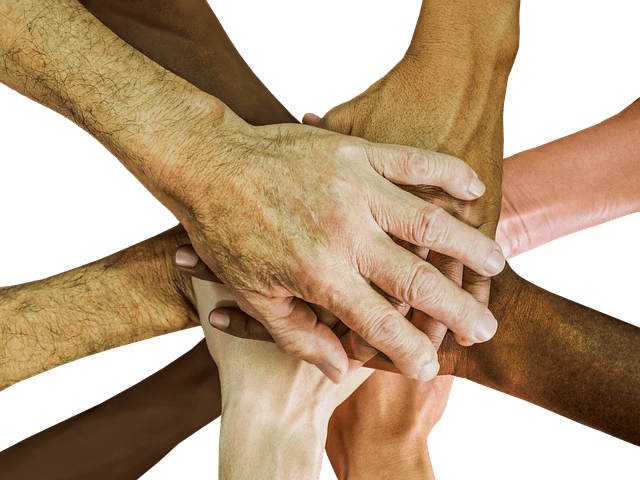
Unity isn’t about uniformity; it’s about harmony. Like the notes in a symphony, our differences would complement one another, creating something more beautiful together than we ever could alone.
3. Amplify Truth and Wisdom
God’s next step might be to illuminate the world with truth. In a time when misinformation and confusion reign, humanity would be gently reminded of eternal truths: love, compassion, humility, and forgiveness.
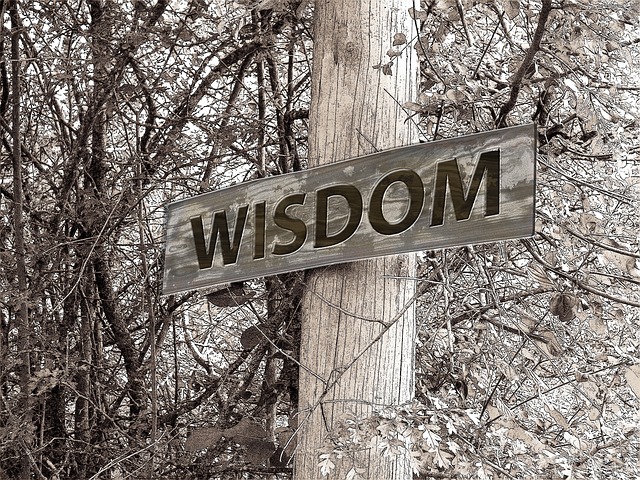
But this wouldn’t be a top-down revelation. Instead, truth would awaken within each person as they reconnect with their inner wisdom. They’d begin to see through manipulation, resist the pull of fear, and embrace clarity. Education, dialogue, and critical thinking would be nurtured, empowering people to discern what is real and meaningful.
Truth has a way of cutting through the fog, and with it, humanity would begin to find its way back to the light.
4. Heal the Earth
The wounds of humanity are mirrored in the Earth itself—pollution, climate change, and the exploitation of natural resources. Healing the world would mean reawakening a sacred connection to nature. God might remind us, not with thunderous proclamations but with quiet awe, of the beauty and interconnectedness of all life.
Imagine people rediscovering the joy of planting trees, cleaning rivers, or simply sitting under the stars. Sustainable solutions would flow effortlessly as humanity embraced its role as stewards of creation, caring for the planet not out of obligation but out of love.
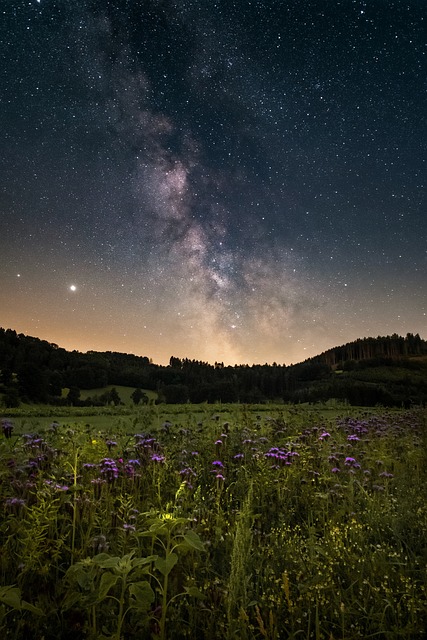
The Earth would flourish once more, a living testament to humanity’s capacity to heal.
5. Transform Fear into Faith
Fear is one of the greatest barriers to healing. It drives division, mistrust, and despair. To turn the world around, God might gently calm the storms of anxiety within each person, reminding them that they are not alone.
Faith, not in a particular doctrine but in the unseen beauty and purpose of life, would replace fear. Moments of awe—sunrises, acts of kindness, and quiet miracles—would rekindle humanity’s trust in something greater than themselves. This trust would inspire courage, resilience, and hope, even in the face of challenges.
6. Empower the Marginalized
Throughout history, God’s heart has always been with the downtrodden, the oppressed, and the forgotten. Healing the world would mean lifting these voices, not with charity alone but with justice. Systems of inequity would crumble as humanity collectively realized that the strength of a society is measured by how it treats its most vulnerable.
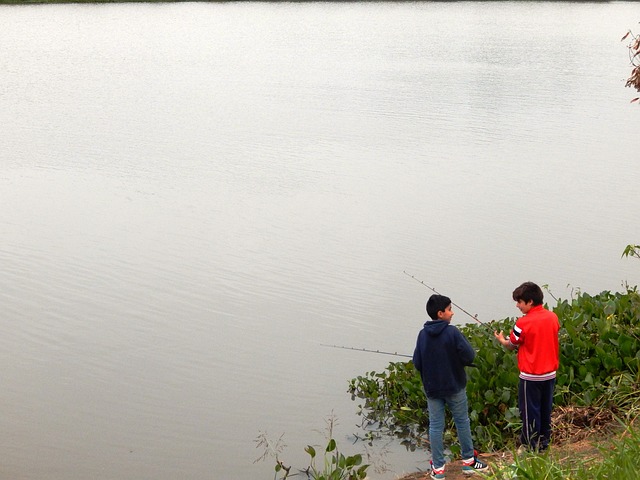
God’s love would flow through acts of solidarity and empowerment, reminding the world that every person has dignity, worth, and a divine spark within them.
7. Awaken Inner Transformation
The ultimate work of healing might not come from grand external changes but from within. God would invite each person to look inward, to rediscover their divine essence and reflect it outward into the world.
This awakening would inspire profound personal transformation. People would embrace forgiveness—not just for others but for themselves. They’d release the burdens of shame and guilt, standing tall in the knowledge that they are loved and capable of extraordinary things.

As individuals heal, the collective would heal. And as the collective heals, the world would be transformed.
8. Turn Humanity Toward Hope
Finally, God would remind humanity that even in the darkest times, there is always hope. People would begin to notice the quiet good happening all around them: neighbors helping neighbors, communities coming together, and individuals stepping up to make a difference.
Hope is contagious. It sparks action, innovation, and resilience. With a renewed sense of hope, humanity would dream again—not of escaping the world’s problems but of creating a better future.
An Invitation to Be the Change
What struck me most about this response is that it didn’t describe a distant God fixing everything with a wave of a hand. Instead, it imagined a God gently guiding us to become co-creators of a better world. It reminded me that the power to heal, repair, and transform is already within us.
Perhaps the real question isn’t what God would do to save the world, but what we can do, inspired by this vision. How can we reignite love, restore unity, and amplify truth in our own small corner of the world? How can we nurture the Earth, calm fear, and lift those around us?

The answer lies in us. Maybe God’s greatest miracle is reminding us of our divine potential and empowering us to act on it.
Let’s take that first step together. Because when we do, we’re not just waiting for God’s intervention—we’re becoming it.
Available on Amazon
 Ancient Whispers
Leave a comment