Sacrifice and faith form the bedrock of both personal growth and communal harmony. These timeless principles are echoed in the sacred stories of Christianity, particularly the life and teachings of Christ, and resonate deeply with the rhythms of Celtic spirituality. Let us delve into the transformative potential of sacrifice and faith, exploring how they foster resilience, growth, and connection in our lives today.
Sacrifice: A Foundation for Stability and Growth
In every thriving community and in the heart of every balanced individual, sacrifice plays a pivotal role. At its core, sacrifice is about forgoing immediate desires or comforts for the sake of a greater good—a deeper, long-term stability that benefits oneself and others.
Celtic Christianity often portrays sacrifice not as a burden but as a sacred offering, an act of participation in the divine order of things. This perspective is beautifully mirrored in the story of Christ’s crucifixion, which stands as the ultimate symbol of selflessness and love. Christ’s willingness to give everything, even His life, for humanity illustrates a profound truth: true growth, whether personal or communal, requires us to give of ourselves, sometimes in ways that challenge our comfort or immediate wants.

This principle applies universally. Sacrifice might mean setting aside personal time to help a friend, letting go of a grudge to mend a relationship, or relinquishing fears to pursue a calling. These acts strengthen the foundation of our lives and ripple outward, stabilizing the broader community.
Faith: The Courage to Confront Life’s Depths
Faith is not merely an abstract belief or a ritualistic practice—it is a transformative force that calls us to action. Christianity invites us to walk the path of Christ, a journey that inevitably leads us to confront the deepest tragedies and malevolence life has to offer.

Faith challenges us to face suffering, not with despair but with courage and hope. The teachings of Jesus demonstrate how faith can be a light in the darkness, a source of strength in the face of adversity. Celtic Christians often describe faith as a deep wellspring, rooted in the earthiness of life yet reaching toward the heavens. It is through this grounded yet transcendent faith that we find the courage to navigate life’s most difficult moments.
In many ways, walking the path of faith is like venturing into a wilderness. It demands that we confront our fears, doubts, and the brokenness of the world. Yet, just as Christ faced betrayal and suffering on the cross, we are reminded that through such trials comes transformation—a refining fire that strengthens our character and deepens our compassion.
The Archetypal Tragedy: A Model for Endurance
The story of Christ is, in many respects, the archetype of tragedy—a good and innocent person who suffers unjustly. This story holds universal appeal because it speaks to the human condition. Each of us encounters suffering and injustice at some point in life, and the image of Christ’s endurance provides a model for how we might face our own trials.
Yet, the Christian narrative does not end with tragedy. The resurrection signifies hope and renewal, a reminder that even in the darkest moments, there is the promise of new life. Celtic spirituality often embraces this cyclical view of life, recognizing that every winter is followed by spring, every hardship an opportunity for growth.
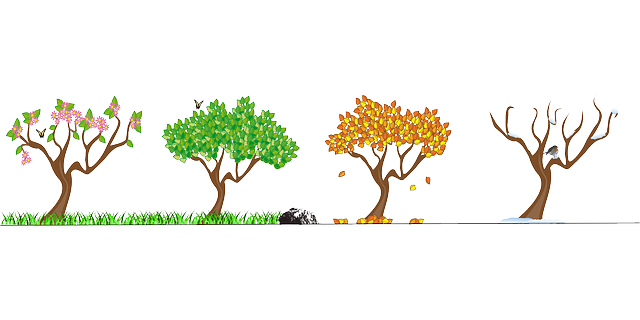
When we reflect on the life of Christ, we see not only a story of suffering but also one of transformation. His journey from crucifixion to resurrection invites us to trust that our trials, too, can lead to new beginnings. By facing life’s pains with courage and faith, we participate in this divine pattern of death and rebirth.
Strength Through Faith: Walking with God in Hardship
Faith offers more than just a philosophical framework; it provides a deeply practical source of psychological strength. When life becomes overwhelming, faith acts as an anchor, grounding us in the belief that we are not alone.
The idea of “walking with God” is central to many Christian traditions, including Celtic Christianity, which often emphasizes God’s immanence in nature and daily life. Whether through prayer, meditation, or simply quiet moments of reflection, this companionship with the divine nurtures resilience and peace.
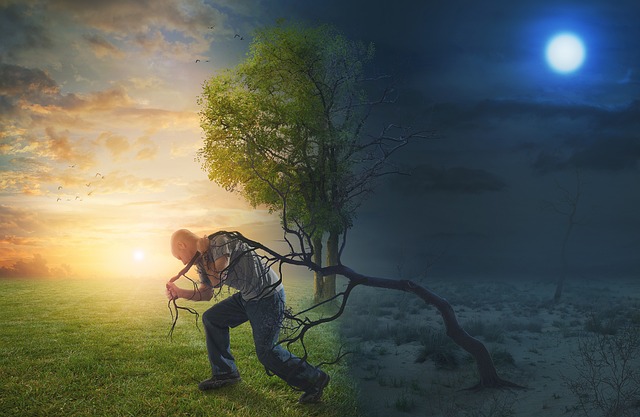
Facing fears and hardships with faith aligns us with a greater strength than our own. It does not remove the difficulties of life but transforms how we approach them. We move forward not as victims of circumstance but as empowered individuals, trusting that we are held and guided by something far greater than ourselves.
Growth Through Confrontation: Transforming Fear into Potential
A key theme in both the life of Christ and the wisdom of Celtic Christianity is the importance of voluntarily confronting what terrifies us. Christ’s journey to the cross was not forced upon Him—He chose it, fully aware of the pain it would entail. In this act, He exemplifies the transformative power of courage.
Similarly, when we face our own fears and challenges head-on, we allow them to become agents of growth rather than barriers. Confronting what we fear may involve embracing vulnerability, speaking difficult truths, or taking bold steps toward an uncertain future.

In the process, we are changed. Fear, when faced with faith and courage, becomes a doorway to untapped potential. Celtic Christians often viewed life’s challenges as opportunities to deepen their relationship with God and to discover their true selves. This perspective reminds us that growth is rarely comfortable but always transformative.
A Path of Transformation and Empowerment
The heart of Christianity, especially when infused with the earthy wisdom of Celtic spirituality, is its power to transform lives. Sacrifice teaches us the value of giving for the greater good, while faith equips us to face life’s tragedies with courage and hope. Together, they create a path of empowerment, inviting us to grow into the fullness of our potential.
This journey is not about avoiding hardship but about embracing it as part of the human experience. Like Christ, we are called to walk through the wilderness, endure the cross, and rise renewed. And like the Celtic saints, we are invited to see the divine in all things, finding strength in the sacred rhythms of life.

As you reflect on these ideas, consider how they might apply to your own life. What sacrifices could you make today to create a stronger foundation for tomorrow? How might faith guide you through your current challenges? And what fears, if confronted with courage, could lead to your transformation?
The answers to these questions are not always immediate, but they are always worth seeking. For in the seeking, we discover not only ourselves but the divine presence that walks with us, guiding us toward a life of purpose, resilience, and joy.
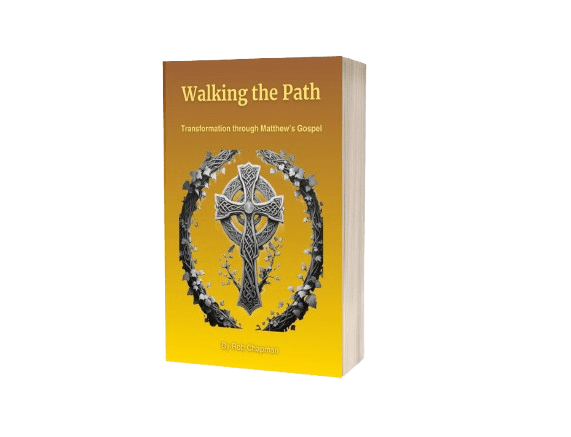
Available on Amazon

 Ancient Whispers
Leave a comment