As long as we have attachment, we suffer. Especially when we attach ourselves to things that are not permanent. And isn’t that most things? The very nature of life is change. Things get lost, things break, and even the things we cherish most will one day slip through our fingers.
Attachment—to possessions, outcomes, or even relationships—can lead to distraction and pain. Distraction, because our minds are often consumed by worry or preoccupation with these attachments. Pain, because when these things inevitably change or leave us, we feel bereft, untethered. Yet, this does not mean we must abandon the joys of life, nor does it demand the radical asceticism of the Desert Fathers. Instead, the challenge is to live in a state of detachment—to be in the world, not of it.
Detachment is not about rejecting the world or the richness it offers. It is about shifting our anchor from the temporal to the eternal. It is about loving, engaging, and living fully while understanding that nothing we have is ever truly ours. The car, the house, the clothes—all of it will one day pass into the hands of others, or back to the earth from which they came. We are, in a sense, caretakers. We mind these things for a time, but they are not our own.
And that’s okay. Because what is truly ours? What has been with us since the beginning and will remain to the end? God. The Tao. The eternal.
The Weight of Attachment
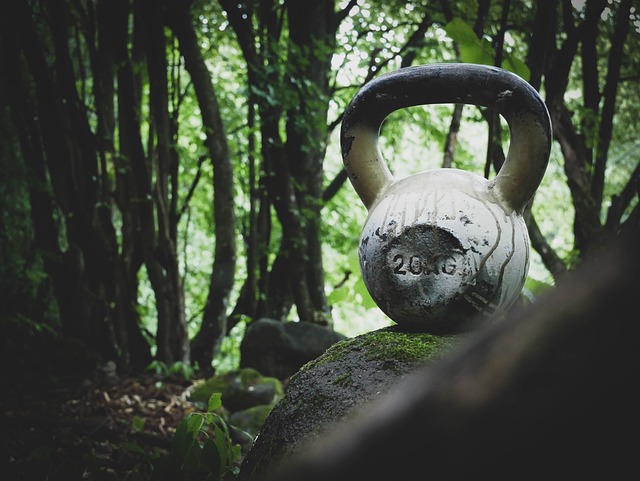
When we attach ourselves to things—whether material possessions, achievements, or even ideas about who we should be—we create suffering. Consider how much of our worry stems from fear of loss. Will this beloved possession last? Will my reputation hold? Will this relationship endure? The worry itself becomes a burden, sapping our joy in the present moment. And if—or when—the thing we cling to fades, the suffering doubles. First the worry, then the loss.
But detachment is not about becoming numb or indifferent. It’s about releasing that tight grip we often have on life. Detachment allows us to experience fully without being consumed. It’s the recognition that life is fleeting, and that this fleeting nature is not a cause for despair but a call to appreciate the now without clinging.
Detachment and Love
Some might fear that detachment means a life devoid of love, connection, or joy. But this could not be further from the truth. Detachment frees us to love more deeply, more purely. When we are attached, our love can become possessive, demanding, even fearful. We cling because we fear loss, and in doing so, we may squeeze the life out of what we hold dear.
Detachment, on the other hand, allows love to breathe. To love without attachment is to love with freedom, to give and receive without grasping. It’s the kind of love that sees the beauty in the present moment without demanding that it last forever. This is not easy, of course, but it is worth striving for.
The Eternal Anchor
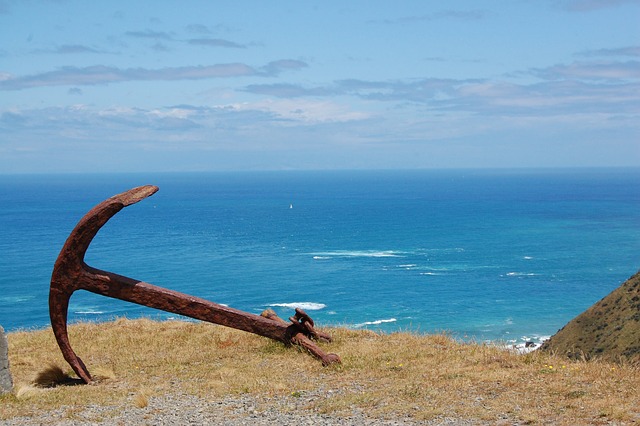
“Be in the world, not of it.” This phrase, often attributed to the teachings of Jesus, encapsulates the heart of detachment. We live in the world, engaging with its beauty and its challenges. We love, we work, we create, we connect. But we do not allow ourselves to be consumed by the world. We anchor ourselves in the eternal—in God, in the Tao, in that which does not change.
For me, the Tao represents the most expansive definition of the divine. The Tao is the flow of existence, the source and the return, the ineffable essence that underlies all things. It was through the Tao that I found my way back to God in the Christian sense. While the Christian God is sometimes limited by human definitions and associations, there are moments in Scripture where God is described in ways that align beautifully with the Tao. “Be still, and know that I am God” (Psalm 46:10) resonates deeply with the Taoist concept of Wu Wei, or effortless action. Both speak to the idea of flowing with the eternal rather than striving against it.
To attach ourselves to the eternal is not to reject the world but to hold it lightly. It is to recognize that while we are here, we are not fully of here. We are, as the Desert Fathers often said, “pilgrims and strangers” in this land. And our true home, our true belonging, is with the eternal.
Practicing Detachment in Daily Life
Detachment is not something we achieve overnight. It is a practice, a way of being that we cultivate moment by moment. Here are a few ways to begin:
- Mindfulness: Pay attention to your attachments. Notice when you are holding on too tightly to an object, an idea, or a relationship. Ask yourself: “If this were to change or leave, how would I feel?”
- Gratitude: Gratitude shifts our focus from clinging to appreciating. Instead of fearing loss, we can be grateful for what we have, even if only for a time.
- Prayer and Meditation: Spend time connecting with the eternal. Whether through prayer, meditation, or simply sitting in silence, allow yourself to feel the presence of God, the Tao, or whatever you understand as the eternal.
- Letting Go: Practice letting go of small things. Donate an item you no longer need. Release a grudge. Let go of the need to be right in a conversation. These small acts of release prepare us for the larger acts of detachment that life will eventually demand.
- Simplicity: Simplify your life. The less clutter—both physical and mental—you have, the easier it is to focus on what truly matters.
Living in the Flow
When we live with detachment, we align ourselves with the flow of life. The Tao teaches us that life is like a river. It flows, it changes, it carries us forward. If we try to cling to the riverbank, we struggle. But if we let go and trust the flow, we find peace. Jesus, too, spoke of this flow when he said, “Do not worry about tomorrow, for tomorrow will worry about itself” (Matthew 6:34).
To live in the flow is to trust. To trust that God, the Tao, the eternal, is holding us. To trust that we have what we need, even if it doesn’t look like what we expected. To trust that loss is not the end but a transformation, a return to the source.
A Life of Freedom
Detachment is not a loss. It is freedom. Freedom from the chains of worry, fear, and clinging. Freedom to love without grasping, to live without fear, to engage with the world fully while remaining anchored in the eternal. It is a way of being that brings peace in the midst of chaos, joy in the midst of change.
So let us be in the world, but not of it. Let us cherish the gifts we are given without clinging to them. Let us love deeply, live fully, and anchor ourselves in that which does not change. For it is to the eternal that we shall return. And in the meantime, we are simply caretakers, minding these treasures for a time, learning, growing, and being held by the One who is always with us.
 Ancient Whispers
Leave a comment