
As part of my Advent Lent I am studying the sayings of the Desert Fathers. Having just read a chapter about self discipline I thought I would share a few of my thoughts.
The concept of self-discipline has long been a cornerstone of spiritual life. From the ascetic practices of the Desert Fathers to the rhythms of Celtic monasticism, discipline was seen not as an end in itself but as a means of drawing closer to God. Yet, for modern seekers, the extremes of these traditions can feel both inspiring and alien. How do we reconcile their practices with our contemporary lives? How can self-discipline guide us toward freedom and transformation without becoming an oppressive burden?
This exploration invites us to balance ancient wisdom with modern understanding, embracing self-discipline as a tool for focus, growth, and connection to the divine.
The Role of Self-Discipline in Spiritual Life

Self-discipline is, at its core, about alignment. It helps us remain focused on what matters most, resisting the distractions and temptations that pull us away from our path. As the Taoists say, true freedom comes not from indulging every whim but from mastering our impulses. Similarly, Jesus’ teachings emphasize the importance of discipline, though not as an end in itself.
In the Gospels, Jesus modeled discipline through His actions:
- Retreating regularly to pray and connect with God.
- Resisting temptation in the wilderness, showing steadfast commitment to His mission.
- Living with intentionality, balancing times of solitude with compassionate engagement with others.
His discipline was not harsh or self-punishing but purposeful and deeply rooted in love.
The Desert Fathers: Extremes and Insights
The Desert Fathers, early Christian monks who sought solitude in the deserts of Egypt and Palestine, took self-discipline to extraordinary lengths. They fasted, prayed, and often deprived themselves of comforts to focus entirely on God. For them, discipline was a way to:
- Detach from Worldly Distractions: By denying physical pleasures, they sought to free themselves from attachments that hindered spiritual growth.
- Subdue the Ego: Rigorous practices were seen as tools for humility and reliance on God.
- Cultivate Inner Peace: Through simplicity and stillness, they aimed to quiet the mind and open the heart to divine presence.
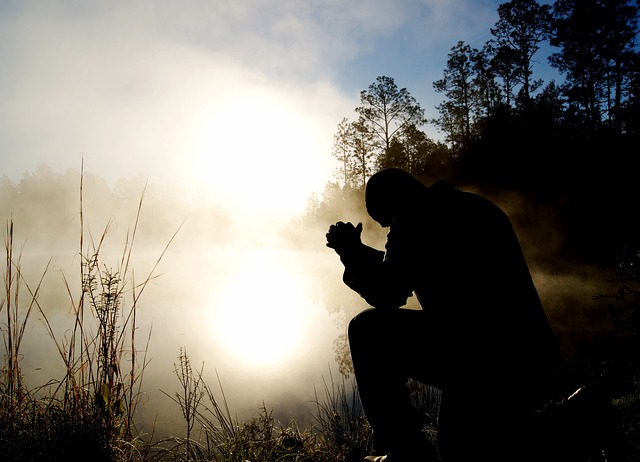
While their commitment is admirable, their extremes can feel counterproductive to modern sensibilities. Pain and deprivation can sometimes distract from spiritual practice rather than enhance it. As Taoist wisdom reminds us, if suffering arises during meditation (e.g., cramp or discomfort), it’s better to address it and return to the practice than to push through needlessly.
The Celtic Christian Approach
Celtic Christianity, deeply influenced by the Desert Fathers, shared a profound respect for discipline but expressed it in a more holistic way. Celtic monks and saints, such as St. Patrick, St. Brigid, and St. Columba, practiced rigorous devotion while embracing the rhythms of nature and community.
Distinctive Features of Celtic Self-Discipline
- Harmony with Creation: The Celts saw God’s presence in all things—the sunrise, the changing seasons, the whisper of the wind. Their discipline often included practices that aligned with these natural rhythms, such as prayer at sunrise and sunset, fasting during particular seasons, and using physical labor as a form of meditation.
- Community and Solitude: While they valued solitude for reflection and prayer, they also placed great importance on communal life. Their discipline included serving others and fostering relationships, recognizing that spiritual growth happens both alone and together.
- Pilgrimage and Wanderings: The Celtic tradition of peregrinatio (holy wandering) embodied discipline as a journey. Monks would set out without a fixed destination, trusting God to guide them. This act required faith, perseverance, and a willingness to let go of control—a discipline of the heart as much as the body.
When Discipline Becomes Counterproductive
Both the Desert Fathers and Celtic Christians offer valuable lessons, but their extremes can serve as cautionary tales. When discipline becomes an obsession, it risks:
- Becoming a Distraction: Focusing too much on rigorous practices can shift attention away from God.
- Harming the Body or Spirit: Overly harsh asceticism can weaken rather than strengthen.
- Fostering Pride: Discipline should lead to humility, but it can sometimes inflate the ego (e.g., “Look how disciplined I am compared to others”).
A Modern Perspective on Self-Discipline
For modern seekers, self-discipline remains vital, but it must be balanced with grace and compassion. Here are some practical principles to guide a healthy, sustainable practice:
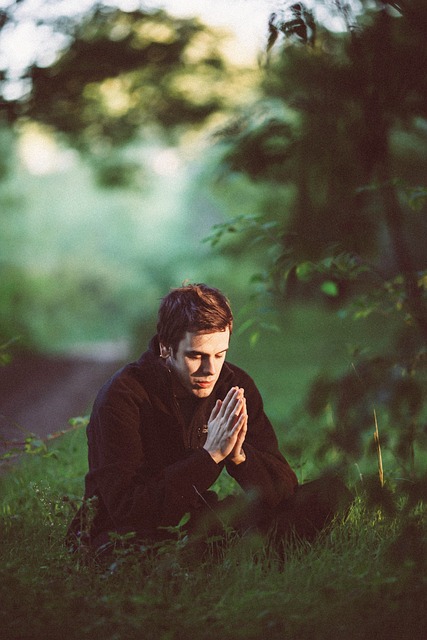
1. Root Discipline in Love, Not Fear
Discipline is not about punishing ourselves but aligning with what nourishes our soul. Let love—for God, for others, and for ourselves—be the motivation behind your practices.
2. Keep It Simple and Realistic
The Celtic tradition teaches us to align with natural rhythms. Start with small, consistent practices:
- Set aside a few minutes each morning for prayer or meditation.
- Practice gratitude daily.
- Pause before meals to give thanks.
3. Embrace Flexibility
Life is unpredictable, and rigidity can break under pressure. Allow your discipline to be adaptable. If you miss a morning prayer, take a moment later in the day. If fasting feels unhealthy, find another way to practice self-denial.
4. Balance Solitude and Community
Spiritual growth often happens in the interplay between solitude and connection. Make time for quiet reflection, but also seek out supportive communities where you can grow and serve together.
5. View Challenges as Opportunities
Discipline isn’t about avoiding struggle but growing through it. When distractions or temptations arise, see them as opportunities to practice focus and trust.
The Freedom of Self-Discipline
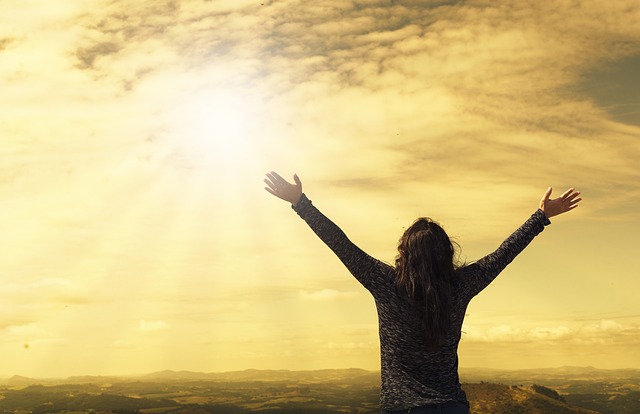
In both Celtic Christianity and changework, discipline is a means to an end: freedom. Freedom from compulsions, from the tyranny of ego, and from the distractions that pull us away from our true purpose. Jesus’ example shows us that self-discipline, when rooted in love and guided by grace, leads to abundance—not deprivation.
He came not to glorify suffering but to transform it. His life, marked by prayer, compassion, and intentionality, offers a blueprint for a disciplined yet joyful spirituality. The Desert Fathers and Celtic saints, in their own ways, sought to live this out, reminding us that self-discipline is not about perfection but presence. It’s about showing up, again and again, with a heart open to God’s work in us.
So, as you walk your path, may you find the balance between effort and grace, between solitude and community, between discipline and freedom. And may your journey, like the Celtic saints of old, be a holy wandering into the mystery of God.
 Ancient Whispers
Leave a comment