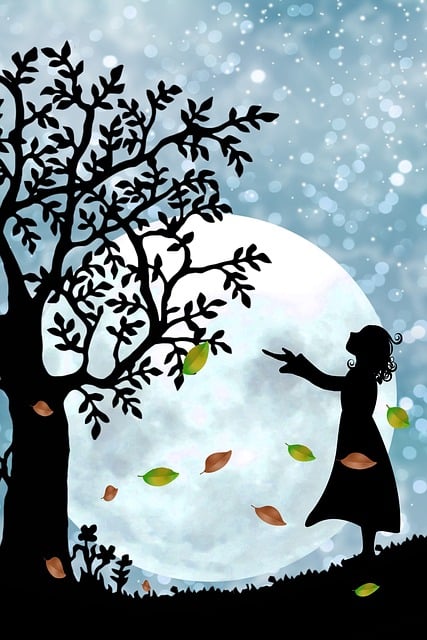
Life is change. Every leaf that falls, every tide that ebbs, every moment that passes whispers this truth: all things transform. The way of life, and perhaps the way of something greater, is movement, evolution, and growth. Yet in a world that often resists change, how do we embrace transformation? How do we live in harmony with the ever-shifting currents of life while staying grounded in something deeper?
The answer lies in three timeless principles: love, grace, and faith. These aren’t abstract ideals; they are living forces that, when embraced, can guide us toward a full and transformative life. Let’s explore how these principles intertwine with spiritual wisdom, changework, and personal development, offering a way to grow and thrive in the midst of life’s changes.
The Nature of Change: Embracing Transformation
In nature, nothing stays the same. Rivers carve new paths, trees shed their leaves, and seasons ebb and flow. Change is not a disruption of life—it is life. Yet, as humans, we often resist this reality. We cling to what is familiar, fearing the unknown.
When we fight against change, we create tension and stagnation. But when we align ourselves with the flow of transformation, we open ourselves to growth. In this way, transformation is not about losing who we are but about becoming more fully ourselves.
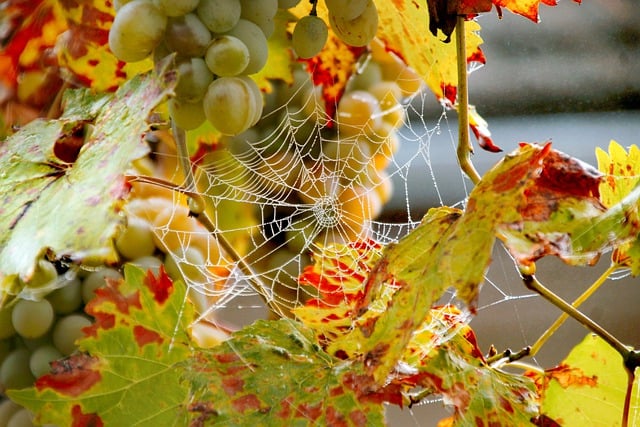
This perspective resonates with the Celtic wisdom of the interconnectedness of all things. It teaches us to see change not as an enemy but as a sacred force that draws us closer to the essence of life. The question, then, is how we navigate this change. Here, the principles of love, grace, and faith serve as our compass.
Love: The Foundation of Transformation
Love is often misunderstood as merely a feeling, but its power goes far deeper. True love is an active force that connects, heals, and expands. It is the foundation of all transformation because it creates the space for growth.
To live a life of love is to approach the world with an open heart. This doesn’t mean ignoring pain or conflict but meeting them with compassion. Love is the act of seeing others—and ourselves—through the lens of acceptance and potential.

From a changework perspective, love is the bridge to lasting change. When we approach our own patterns and behaviors with love rather than judgment, we create the conditions for growth. Similarly, in personal development, love allows us to build meaningful connections, foster resilience, and embrace vulnerability.
Grace: The Art of Letting Go
If love opens the door to transformation, grace invites us to step through it. Grace is the art of letting go—of past hurts, limiting beliefs, and the need to control. It is the recognition that life is not about perfection but about progress.
To live with grace is to accept life as it is while remaining open to what it can become. It is about meeting ourselves and others with kindness, even in moments of failure or struggle. Grace reminds us that mistakes are not barriers to growth but stepping stones.

In changework, grace allows us to release the shame or guilt that often holds us back. It frees us to rewrite the stories we tell ourselves about who we are and what we can achieve. From a personal development angle, grace helps us navigate challenges with resilience and adaptability, turning obstacles into opportunities for growth.
Faith: Trusting the Unknown
Faith is often associated with belief, but in its essence, it is about trust. Faith is the courage to step into the unknown, trusting that the path will reveal itself. It is the quiet assurance that even in the midst of uncertainty, there is a greater order at work.
To live a life of faith is not to deny fear or doubt but to move forward despite them. It is the practice of surrendering to the flow of life, trusting that transformation will lead us closer to our true purpose.
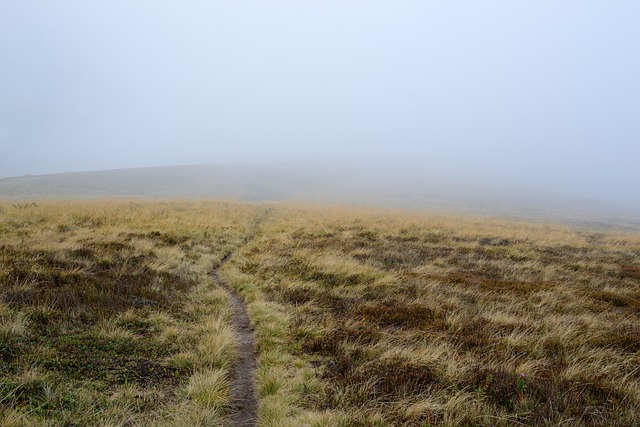
In changework, faith is the foundation of breakthroughs. It allows us to trust the process of change, even when results aren’t immediate. In personal development, faith helps us take risks, dream bigger, and persist in the face of setbacks.
The Interwoven Path
Love, grace, and faith are not separate principles—they are interconnected, like the intricate knotwork of Celtic art. Love provides the foundation, grace offers the freedom to let go, and faith gives us the courage to move forward. Together, they form a path that leads to transformation.
This path is not linear. Just as the knotwork weaves back upon itself, life’s journey is full of twists and turns. But when we live with love, grace, and faith, we find that even the most challenging moments become opportunities for growth.
Living a Full and Transformational Life
How do these principles translate into daily life? Here are some practical ways to live a life of love, grace, and faith:
- Embrace Vulnerability: Allow yourself to love and be loved, even when it feels risky. Approach your own imperfections with compassion.
- Let Go of Perfection: Practice grace by forgiving yourself and others. Recognize that progress, not perfection, is the goal.
- Take Bold Steps: Move forward with faith, trusting that the next step will reveal itself, even if the full path is unclear.
- Stay Connected: Remember that transformation is not a solitary journey. Surround yourself with people who inspire and support you.
- Celebrate Change: Rather than resisting life’s shifts, celebrate them as opportunities to grow and evolve.
The Truth of Transformation
The way of life—and of something greater—is change. When we embrace love, grace, and faith, we align ourselves with this truth, allowing transformation to unfold. These principles are not abstract; they are the tools that help us navigate the ever-changing currents of life with courage, compassion, and clarity.
In this path, we don’t just survive change; we are shaped by it, becoming more fully alive. The beauty of love, grace, and faith is that they not only transform us but ripple outward, touching the lives of others and the world around us.

So, as the seasons turn and the tides shift, let us step into the flow of life with open hearts, gentle hands, and courageous spirits. In doing so, we discover the fullness of what it means to live—and to be transformed.
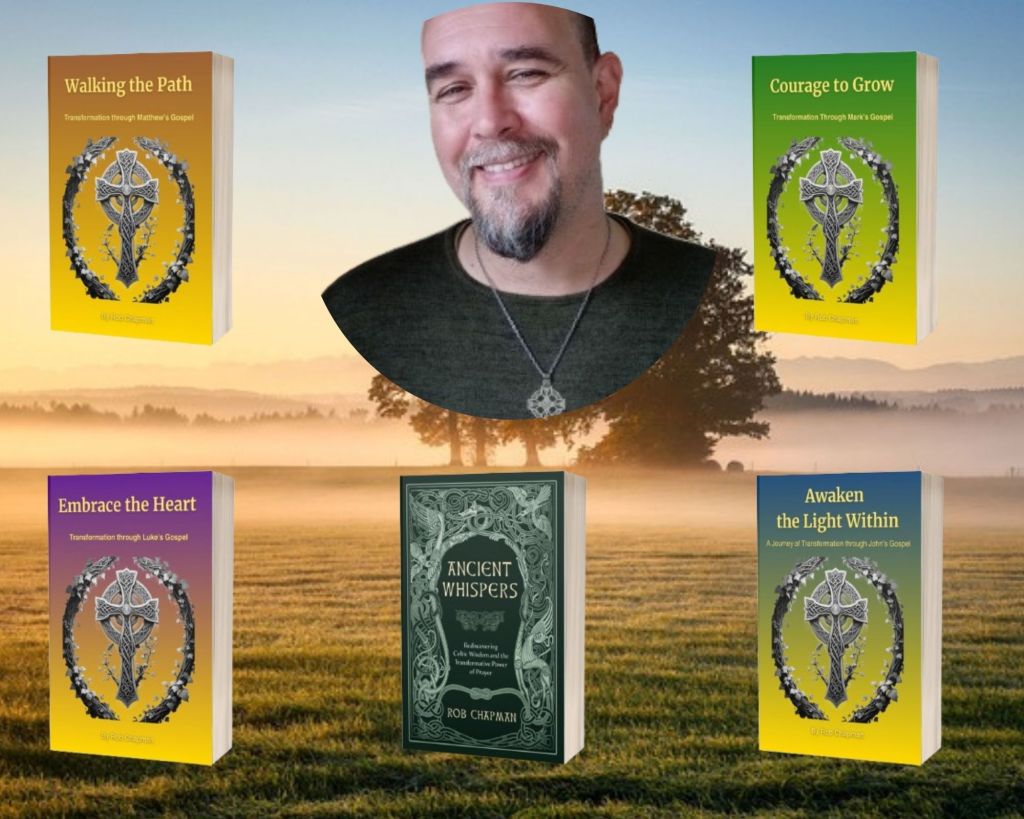
 Ancient Whispers
Leave a comment