Three friends once embarked on a journey to serve God, each choosing a path that reflected their heart’s calling. One sought to bring peace to disputes, tirelessly mending the divisions between people. Another set out to heal the sick, pouring compassion into broken bodies and weary hearts. The third, however, withdrew to a life of solitude, seeking God in stillness and prayer.

Years passed. The first two returned, exhausted and frustrated. Despite their efforts, disputes still raged, and illness continued to plague the world. Seeking answers, they visited their third friend, curious about what his path had yielded. Without a word, the solitary friend placed before them a bowl of water clouded with sediment. He stirred it, making it murkier, then set it down. As they watched, the sediment settled, leaving the water clear. He said, “So it is with the soul. When agitated, it cannot see. But in stillness, clarity comes.”
This simple yet profound tale from the Desert Fathers speaks deeply to our modern lives. In the swirling chaos of conflict, endless tasks, and the noise of a hyperconnected world, how often do we pause to let the sediment settle? How often do we seek clarity through stillness?
The Agitated Soul
The water stirred into cloudiness is a universal image. In the story, the first friend tirelessly worked to resolve disputes. Yet, like the stirred water, his efforts often led to more agitation, for conflict rarely ends when approached without inner peace. How many of us find ourselves caught in similar patterns? Social media, with its constant debates and polarized views, mirrors this agitation. Every post and comment can feel like another hand stirring the water of our minds, leaving us clouded, reactive, and unsettled.
The second friend, dedicating his life to healing, found himself overwhelmed by the endlessness of human suffering. Despite his compassion, he became a vessel depleted of strength, for he had poured out without replenishing. In modern caregiving and activism, we see this same pattern. Those who give deeply, without tending to their inner lives, often find themselves running dry.

The third friend’s bowl of water becomes a profound teaching for all of us. When we allow our souls to rest, the sediment—the worries, conflicts, and striving—settles. And in that stillness, we see clearly again. This is not passivity but a sacred act of trust, a letting go that allows God’s wisdom to work in us.
A Celtic Rhythm of Life
In Celtic Christianity, this interweaving of action and stillness forms a sacred rhythm, like the ebb and flow of the tide. The Celts understood that clarity does not come from endless striving but from a life attuned to the rhythms of creation and spirit. The concept of “thin places,” where the divine feels especially close, reminds us that God is often found not in the noise but in the silence between.
The third friend’s solitude resonates with the Celtic practice of retreating to wild, quiet places—whether a windswept hillside or the shelter of a forest. These moments of retreat are not escapes but returns to the wellspring of life. In solitude, the soul drinks deeply, finding the clarity and strength needed to re-enter the world with purpose.

Jesus Himself modeled this rhythm. He withdrew to pray in lonely places, not to abandon His mission but to anchor it. After feeding the crowds, healing the sick, or teaching His disciples, He sought stillness. In these quiet moments, He aligned His human soul with the divine, preparing to engage with a world that constantly pulled at Him.
The Wisdom of Changework
This ancient wisdom aligns beautifully with principles of modern personal development. In changework, we recognize that the mind, like the stirred water, often becomes clouded with unhelpful thoughts, unresolved emotions, and reactive patterns. Yet clarity does not come through force. It comes through allowing. When we pause—whether through mindfulness, meditation, or reflective prayer—we give the mind space to settle.
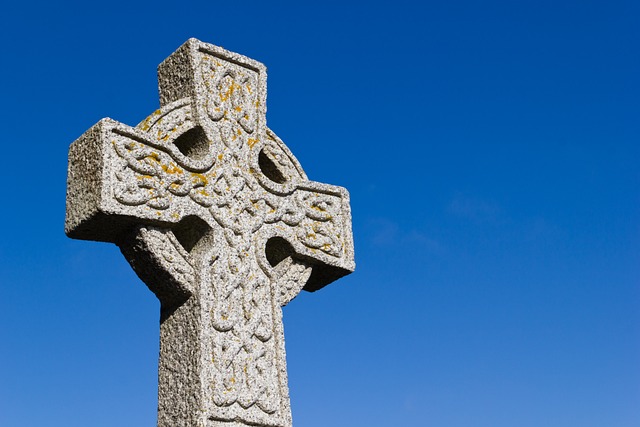
In Celtic knotwork, every line flows into another, creating an intricate yet harmonious whole. Similarly, changework teaches us that our inner and outer lives are interconnected. The stillness of the soul ripples outward, shaping our interactions, decisions, and impact on the world. The third friend’s bowl of water reminds us that transformation begins within. To heal the world, we must first tend to our own clarity.
The Trap of Endless Striving
The first two friends’ frustration is one we all know. In a world that glorifies productivity and action, we feel compelled to fix every problem, engage in every debate, and prove our worth through doing. Yet the wisdom of the Desert Fathers, the rhythms of Celtic spirituality, and the insights of changework all point to the same truth: striving without stillness leads to burnout.
Jesus’ invitation in Matthew 11:28 resonates here: “Come to me, all you who are weary and burdened, and I will give you rest.” Rest is not a retreat from life but a return to the center of it. It is a reminder that we are not the source of all solutions; God is. Like the third friend, we are called to trust that in stillness, God’s work continues, both within us and beyond us.

Living the Balance
The bowl of water does not reject the need for action—it reveals the need for balance. Just as the sediment settles to the bottom, allowing the water to clear, our moments of stillness prepare us for purposeful action. The third friend’s wisdom is not an argument against peacemaking or caregiving but a reminder that these callings must flow from a soul at peace.
To live this balance, we must embrace practices that bring us back to stillness:
- Find your “thin places,” whether in nature, prayer, or a quiet corner of your home.
- Pause before reacting, especially in moments of conflict. Let the sediment of your thoughts and emotions settle before engaging.
- Cultivate a rhythm of rest and action, allowing moments of solitude to nourish your work in the world.
Clarity Through Stillness

The story of the three friends reminds us that the greatest transformations often begin in the quiet spaces of our lives. The third friend’s stillness, like the Celtic knot, is not separate from the other paths but intertwined with them. It is the source of clarity that enables peacemaking and healing to flow with grace.
In a world that stirs the waters of our minds with constant noise and urgency, the wisdom of the Desert Fathers offers a simple yet profound truth: Be still, and let the sediment settle. In the clarity that follows, you will find God, your purpose, and your peace.

 Ancient Whispers
Leave a comment