Returning to Silence: A Call to Reconnect with the Inner Life
In the sayings of the Desert Fathers, Anthony the Great—a revered pioneer of Christian monasticism—uses a striking image to convey a profound spiritual truth. He compares monks who linger too long outside their cells to fish out of water. Just as fish must return to water to survive, monks must return to the stillness of their cell to nurture their inner life. This wisdom, though shared centuries ago, carries a timeless relevance. In our noisy, distracted world, we, too, must find ways to return to silence, to reconnect with the inner wellspring of peace and purpose.
This is not just a call to monks in the desert. It is a call to each of us.
The Modern Desert: Why Silence is Hard to Find
In Anthony’s time, silence was found in the literal desert. Early monks, like the Desert Fathers, fled the clamor of cities and the pressures of worldly life, seeking solitude to hear God’s voice more clearly. For them, silence was not simply the absence of sound; it was a space where the soul could breathe and the distractions of the world faded away.
Today, we live in a different kind of desert—one crowded with notifications, constant entertainment, and endless demands for our attention. The noise may not come from bustling streets but from the unrelenting hum of technology, societal pressures, and the inner dialogue of self-doubt and striving.
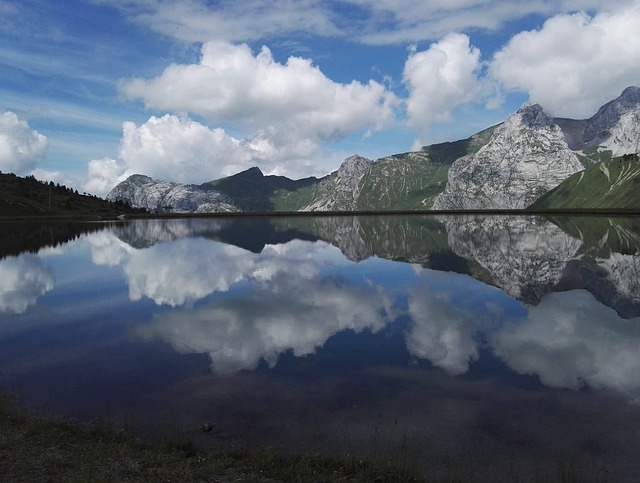
Anthony’s fish-out-of-water metaphor is strikingly relevant. Just as a fish cannot thrive without water, we cannot flourish spiritually, emotionally, or mentally if we neglect silence. The Psalmist reminds us, “Be still, and know that I am God” (Psalm 46:10). Yet stillness feels like a luxury in modern life. How often do we allow ourselves to pause, to breathe, to step away from the demands of the world?
The Inner Cell: Finding Your Place of Stillness
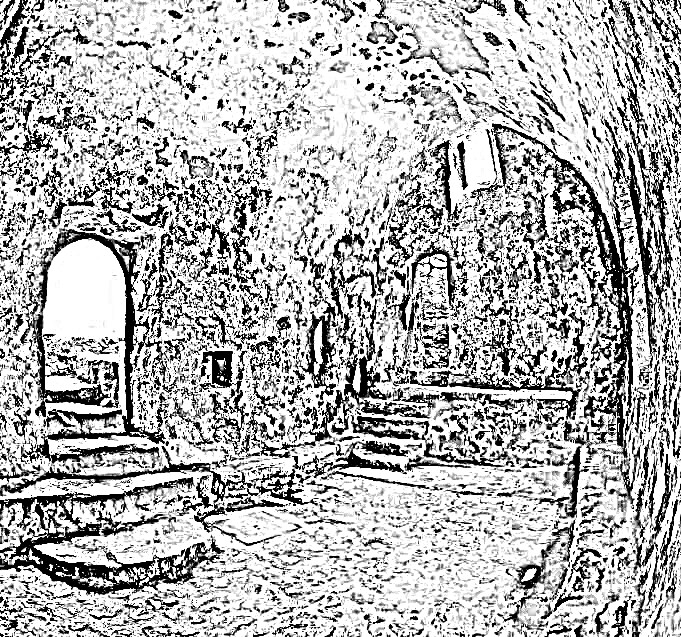
For the Desert Fathers, the “cell” was a physical space—a small, simple room where they prayed, meditated, and worked. But it was more than a physical location; it was a sacred retreat where they encountered their inner life and God’s presence. To neglect the cell was to risk spiritual dryness.
For us, the cell may not be a literal room. It may be a quiet corner of our home, a park bench beneath a tree, or even a few moments of stillness amid a busy day. What matters is not the location but the intention: to create a space where we can retreat into silence and listen to the whispers of our soul and the voice of God.

Jesus Himself modeled this rhythm. The Gospels often show Him withdrawing to solitary places to pray:
“But Jesus often withdrew to lonely places and prayed” (Luke 5:16).
In these moments, He replenished His spirit and aligned Himself with the Father’s will. If Jesus needed silence, how much more do we?
Celtic Saints and the Silence of the Extreme
The Celtic saints understood the transformative power of silence. Inspired by the Desert Fathers, they sought out their own “deserts,” often traveling to extreme and remote places to encounter God in solitude. St. Cuthbert, for example, spent long periods on the tiny Farne Islands, exposed to the elements yet deeply immersed in prayer and contemplation. Similarly, St. Kevin of Glendalough lived in a remote valley, embracing the quiet as a path to divine connection.

For these saints, the wilderness was not a place of isolation but of communion—a sacred space where the distractions of the world fell away, and the presence of God could be felt in every rustling leaf and every crashing wave. Their stories remind us that silence is not emptiness; it is fullness. It is where we discover not just who we are but who we are meant to become.
The Power of Returning to Silence
Returning to silence is not an act of withdrawal; it is an act of renewal. In silence, we confront the inner noise—the fears, anxieties, and doubts that we often drown out with busyness. And in doing so, we find clarity and peace.
The early monks believed that silence was where the deepest transformation occurred. Abba Poemen, another Desert Father, said:
“Silence is the mystery of the age to come, but words are the instruments of this world.”
Silence allows us to step beyond the immediate and into the eternal, to glimpse truths that are obscured by the chatter of daily life.
For us, returning to silence may mean putting down our phones, stepping away from social media, or saying no to another obligation. It may mean sitting quietly for five minutes and simply breathing. These small acts of stillness are like drops of water reviving a parched fish—they bring life.
Practical Ways to Embrace Silence in Everyday Life
You don’t need a desert or a remote island to return to silence. Here are some simple ways to incorporate stillness into your life:
- Morning Quiet: Start your day with five minutes of silence. Sit in stillness, breathe deeply, and set your intention for the day.
- Pause in the Day: Take a break during your work or daily routine. Step outside, close your eyes, and listen to the sounds around you without judgment or distraction.
- Sacred Spaces: Create a dedicated area in your home for quiet reflection. A chair by the window, a candle on a small table—let this be your “cell.”
- Digital Fasting: Turn off notifications or set aside specific times to disconnect from technology.
- Walking Meditation: Go for a walk in nature without music or podcasts. Let the rhythm of your footsteps guide you into a contemplative state.
Silence as a Gift to the World
When we return to silence, we do more than nurture our inner life—we transform how we interact with the world. A person grounded in silence radiates calm and presence, offering others the gift of undivided attention and genuine connection. This is the power of silence: it overflows. It spills into our relationships, our work, and our communities.

Paul writes, “Let your gentleness be evident to all. The Lord is near” (Philippians 4:5). Silence cultivates this gentleness, a quality that stands out in a noisy, rushed world.
An Invitation to Return
Anthony’s wisdom about the fish returning to water is an invitation. It is a reminder that silence is not something we visit once and leave behind—it is a home we must continually return to. Each time we pause, each time we choose stillness, we realign ourselves with the divine source of life.
Imagine a life where silence is not an escape but a rhythm. A life where the inner and outer are in harmony, where peace flows like a river through your days. This is the promise of returning to silence—not as monks in the desert but as seekers in the modern world.

The call is simple, yet profound: Will you return to the water? Will you find your cell, your sacred space, and let silence transform you?
Closing Reflection:
Take a moment today to step into silence. Just for a few minutes. Breathe deeply. Let the noise fade. And listen—to your heart, to the world, to God. The silence is waiting. Will you return?
Feeling lost, stuck or disillusioned on your path?
Take a look at
Walking Together
 Ancient Whispers
Leave a comment